What to Do After a Hit and Run on a Parked Car
Call the police before you touch anything, then document everything and call your own insurer, since the other driver likely won't be found.
Free to compare
Report it to the police, then to your insurer
Call the police while you're still at the scene, or as soon as you find the damage if you weren't there. You need a police report for your insurance claim even if no one expects the other driver to be caught. Write down the time, the location, and anything you noticed, like broken glass, paint color, or skid marks.
After that, call your own insurer and tell them what happened. Whether your policy pays for the damage depends on what coverage you have, since liability coverage alone won't cover your own car. This is one of the few situations where the coverage you carry, not who was at fault, decides what happens next.
Whether you have collision coverage
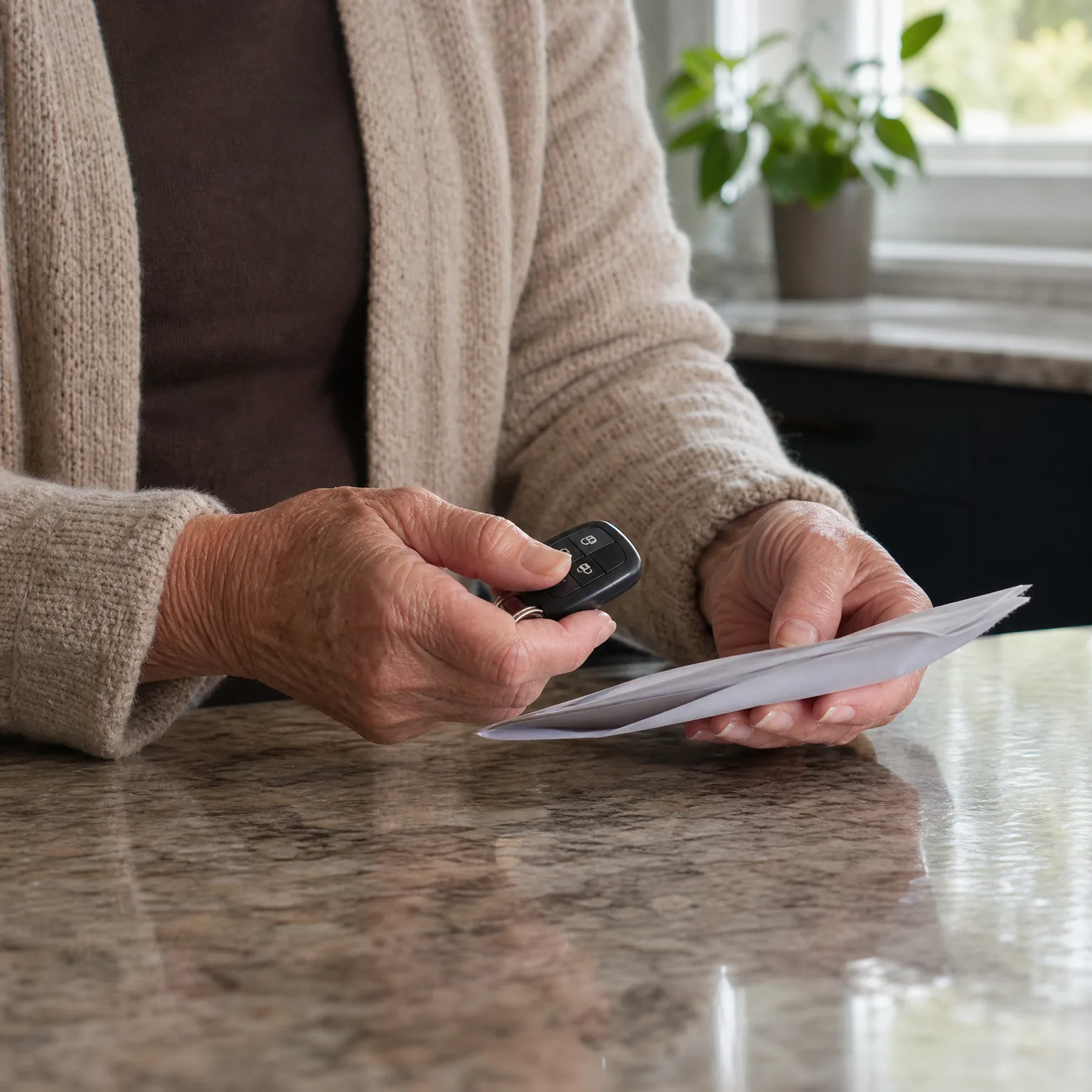
If you carry collision coverage, it pays to repair your car regardless of who hit it or whether they're found. That's the coverage that applies here, not liability, since liability only covers damage you do to someone else.
If you don't carry collision coverage, there's often nothing your own policy can pay toward the repair unless the driver is identified and carries insurance of their own. Check your declarations page or call your insurer to find out what coverage you have before you assume either way.
Some states require a kind of coverage called uninsured motorist property damage, which can also apply to a hit and run. Ask your insurer directly whether your policy includes it, since this varies by state and by policy.
If you're deciding whether to file a claim at all, ask your insurer what a hit and run claim does to your rate. Some insurers treat it differently than an at fault accident, but that's not guaranteed everywhere.
What you can do to help find the driver
A witness, a security camera, or a doorbell camera nearby can make the difference between an open case and a closed one. If you're near a store, a house, or an apartment building, ask whether they have footage and whether the owner will share it or turn it over to police.
Write down anything you remember noticing even if it seems small, like a partial plate, a car color, or a time window. Police reports get filed away, but new information can sometimes reopen a case.
If the driver is later identified, their insurance becomes responsible for the damage, and your own claim may be adjusted or reimbursed depending on your insurer's process. Ask your claims adjuster how that works if it happens.
In the meantime, the police report and your insurance claim can move forward independently. You don't need to wait for a driver to be found to get your car repaired if you have the right coverage.
Questions people ask about this
Will my insurance go up after a hit and run claim?
It depends on your insurer and the type of claim you file. Some insurers treat a hit and run under collision or uninsured motorist coverage differently than an at fault accident, since you weren't at fault. Ask your insurer directly how they classify it before you decide whether to file.
How long do I have to report a hit and run to police?
This is set by your state, and reporting windows vary. Check with your local police department or your state's DMV website for the exact requirement where you live, and report as soon as you can regardless.
What if there are no witnesses or cameras?
You can still file a police report and a claim with your insurer using what you observed, like the damage pattern or any paint transfer. The driver may never be identified, but your report still matters for your claim and for any future repairs.
Does my deductible apply to a hit and run claim?
If you're using collision coverage or uninsured motorist property damage, your deductible applies the way it would to any other claim. Ask your insurer which coverage applies and what your deductible is for that coverage specifically.
Should I get my car repaired before or after the claim is approved?
Wait until your insurer has reviewed the damage and approved the claim before you have the repair done. Getting an estimate first is fine, but starting repairs early can complicate the claim if the insurer wants to inspect the car themselves.
See what coverage would actually help if this happens again.
Take photos of the damage and the surrounding area before you move your car, if you haven't already. File a police report this week if you haven't, and keep the report number somewhere you can find it. Call your insurer and ask what coverage you have for a hit and run, since the answer depends entirely on your policy. Ask them directly how filing this kind of claim is likely to affect your rate. If you're not sure you have the right coverage for next time, that's worth checking now rather than after another incident.