How Is Total Loss of a Vehicle Calculated
An insurer totals a car when the cost to repair it comes too close to what the car was worth right before the damage.
Free to compare
It comes down to actual cash value, not what you paid or what you owe
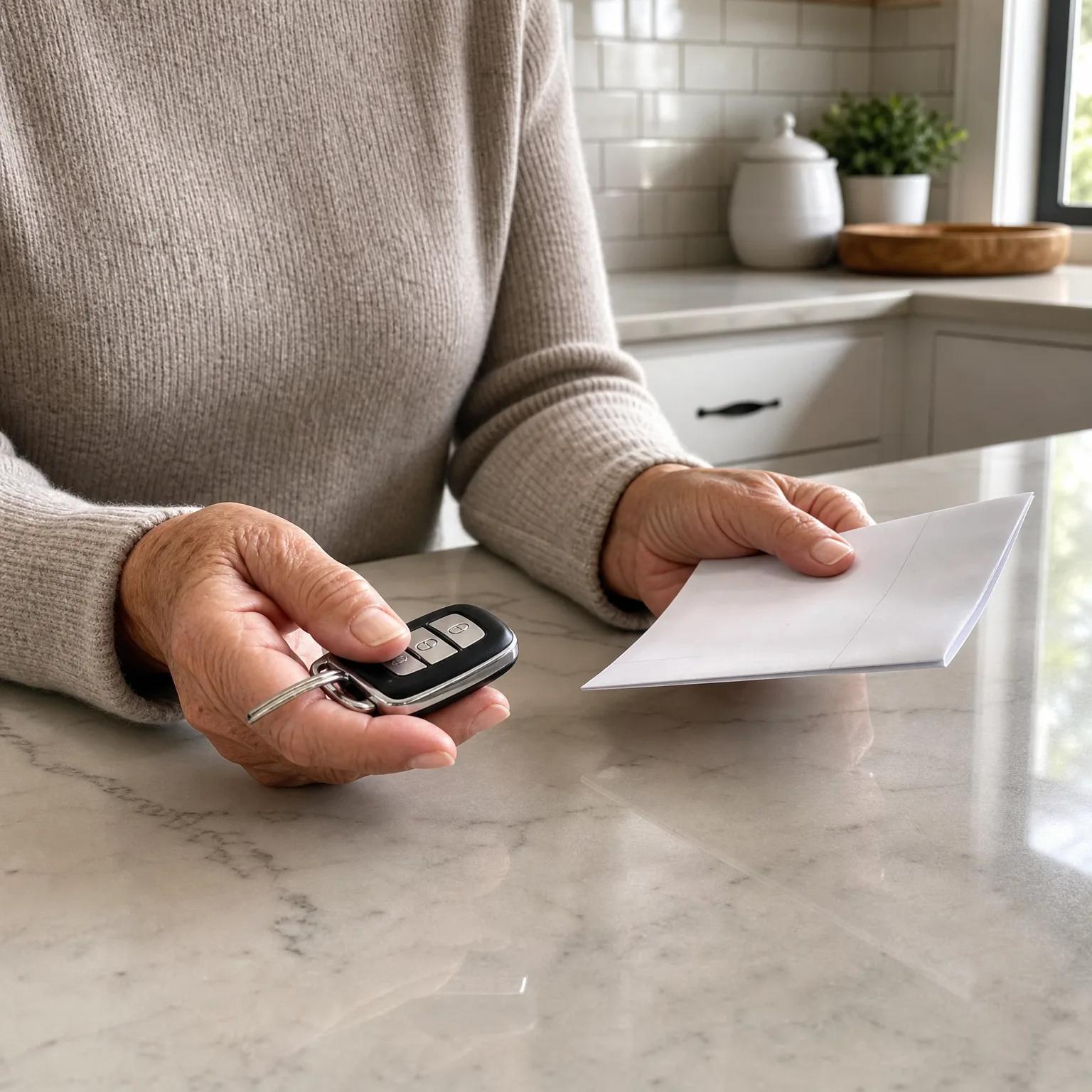
When your car is damaged, the insurer gets repair estimates and compares that cost against what your car was worth right before the accident. That figure is called actual cash value. It isn't the price you paid, and it isn't what you still owe on a loan. It's what a similar car, with similar mileage and condition, was selling for in your area just before the damage happened.
If the repair cost crosses a certain share of that value, the insurer declares the car a total loss and pays you the cash value instead of fixing it. Where that line sits is set by your state or by your insurer's own rules, so it isn't the same everywhere. What stays the same is the method: they're always weighing repair cost against your car's value, not against what the car meant to you or what you have left to pay on it.
How your insurer values your specific car
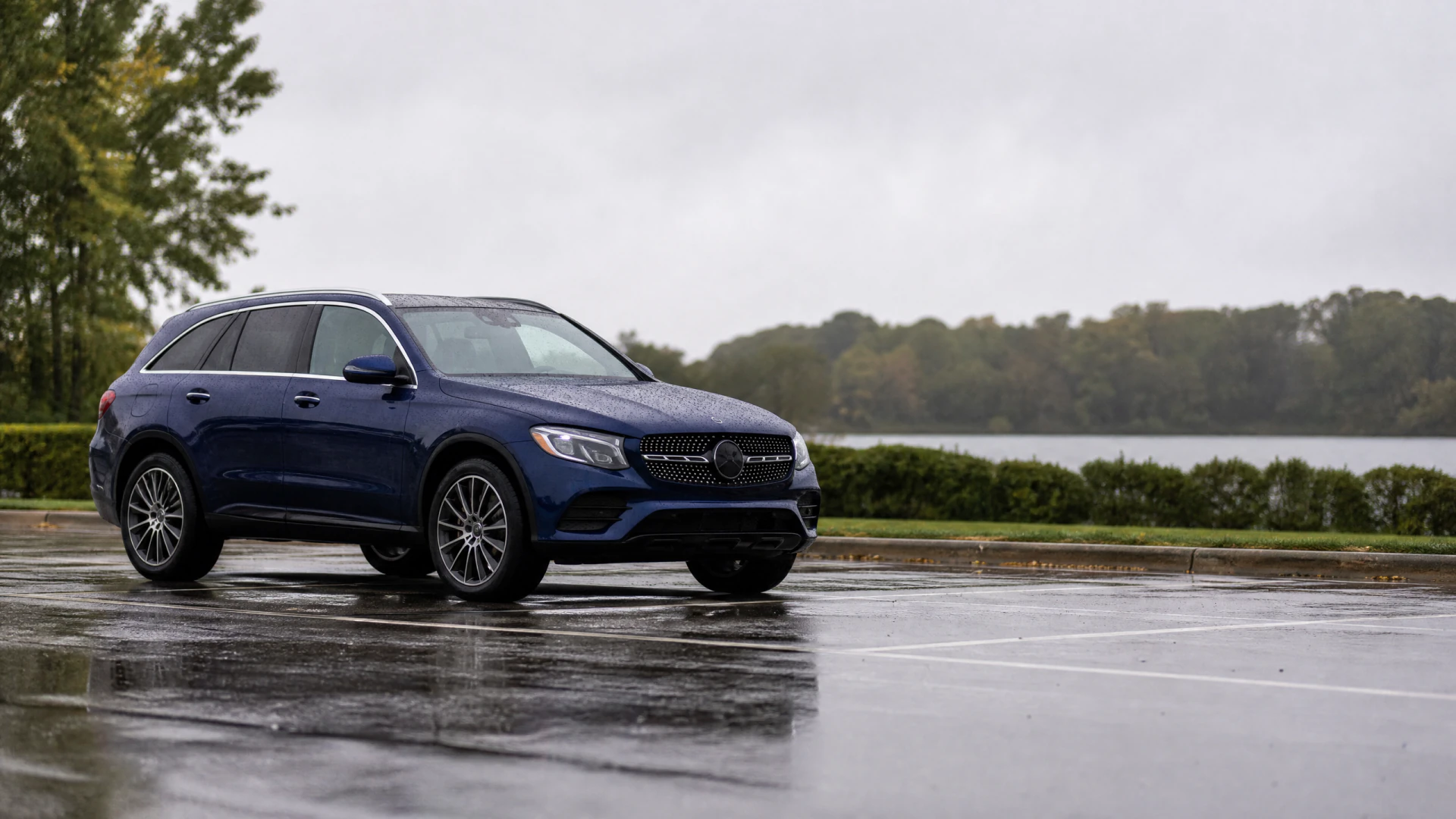
Two cars of the same year and model can get different payouts because the insurer is valuing your actual car, not a generic version of it. They look at mileage, condition before the accident, options and trim, and sometimes prior damage history. A car with low mileage and no accident history is worth more than an identical model that's been through a rough few years.
Insurers usually pull this value from recent sales of comparable cars in your area, sometimes through a third party service that builds a report. You're entitled to see that report. If the mileage, condition, or options listed don't match your car, you can push back and ask for a correction.
This is also where a gap between the payout and your loan balance shows up. If you owe more on the car than it was worth, the insurer's check still reflects the car's value, not your loan balance. That gap is what gap insurance is designed to cover, if you carry it.
Ask your insurer directly how they sourced your car's value and whether they'll share comparable listings. A vague answer is worth questioning.
What most people get wrong about the repair estimate
People assume the total loss decision happens after a shop tries to fix the car and gives up. Usually it's the opposite. An adjuster or estimator writes up the damage early, prices out parts and labor, and compares that number to the car's value before any wrench touches the car.
Hidden damage changes this. A car that looks drivable can have frame or structural damage that only shows up once a shop starts disassembly, and that can push the estimate over the line after the fact. If your insurer calls back with a higher number than the first estimate, this is usually why.
Airbag deployment is another thing people miss. Replacing airbags and the related sensors and wiring is expensive enough on its own to push an otherwise moderate repair into total loss territory.
If you disagree with the estimate, you can get your own appraisal. Many states have a process for disputing an insurer's valuation, and your policy or your state's insurance department can tell you how that works.
Questions people ask about this
Can I keep my car after it's declared a total loss?
In most states, yes, but the insurer subtracts a salvage value from your payout and the title gets branded as salvage or rebuilt. You'll need to check with your state's DMV about what's required to drive it again, including inspections. Your insurer can tell you what the salvage deduction would be for your car.
What happens to my loan if my car is totaled?
The insurer's payout goes toward your loan balance, and if the payout is less than what you owe, you're responsible for the difference unless you have gap insurance. Check your loan payoff amount and compare it to the estimated value your insurer gives you as soon as you suspect a total loss. This gap is the main financial risk in a total loss claim.
How long does a total loss claim take to settle?
It depends on how quickly the insurer can inspect the car, complete the valuation report, and get your agreement on the amount. Disputes over the valuation are what usually slow things down. Ask your adjuster for a timeline and what's still pending if it's taking longer than you expected.
Can I negotiate the total loss payout amount?
Yes, you can dispute the actual cash value if you think the comparable cars used don't match yours. Bring your own listings of similar cars for sale in your area, or get an independent appraisal if your state allows it. The insurer has to be able to support the number they gave you.
Does a totaled car affect my insurance rate afterward?
It depends on whether the accident was your fault and how your insurer treats total loss claims generally. A not at fault total loss is typically treated differently than one where you were responsible. Ask your insurer directly how this specific claim will be recorded and whether it affects your renewal.
If a totaled car is about to change what you pay, see what other insurers would charge you instead.
Ask your insurer for a copy of the valuation report they used to calculate your car's actual cash value, and check the mileage, condition, and options listed against your actual car. Pull your loan payoff statement so you know immediately whether the payout will cover what you owe. If your car had any prior damage or upgrades, gather documentation now, since that's easy to overlook once the claim moves forward. If you disagree with the number, ask your insurer what their dispute process looks like and whether your state has an independent appraisal option. This is also a good moment to get a few insurance quotes, especially if this claim is going to affect your renewal price.