What Does Total Loss Mean in Car Insurance
Total loss means the insurer has decided your car isn't worth fixing, and will pay you its value instead.
Free to compare
It means repairing your car costs more than the car is worth
When your insurer says your car is a total loss, they've looked at the cost to repair it and compared that to what the car was worth right before the damage happened. If the repair cost gets close to or passes that value, they total it instead of fixing it.
Instead of paying a repair shop, the insurer pays you the car's value, minus your deductible. You then sign the title over to the insurer, and they sell what's left for salvage. The exact point where a car gets totaled, and how its value gets calculated, is set by your state and your policy, so the details can look different depending on where you live and who you're insured with.
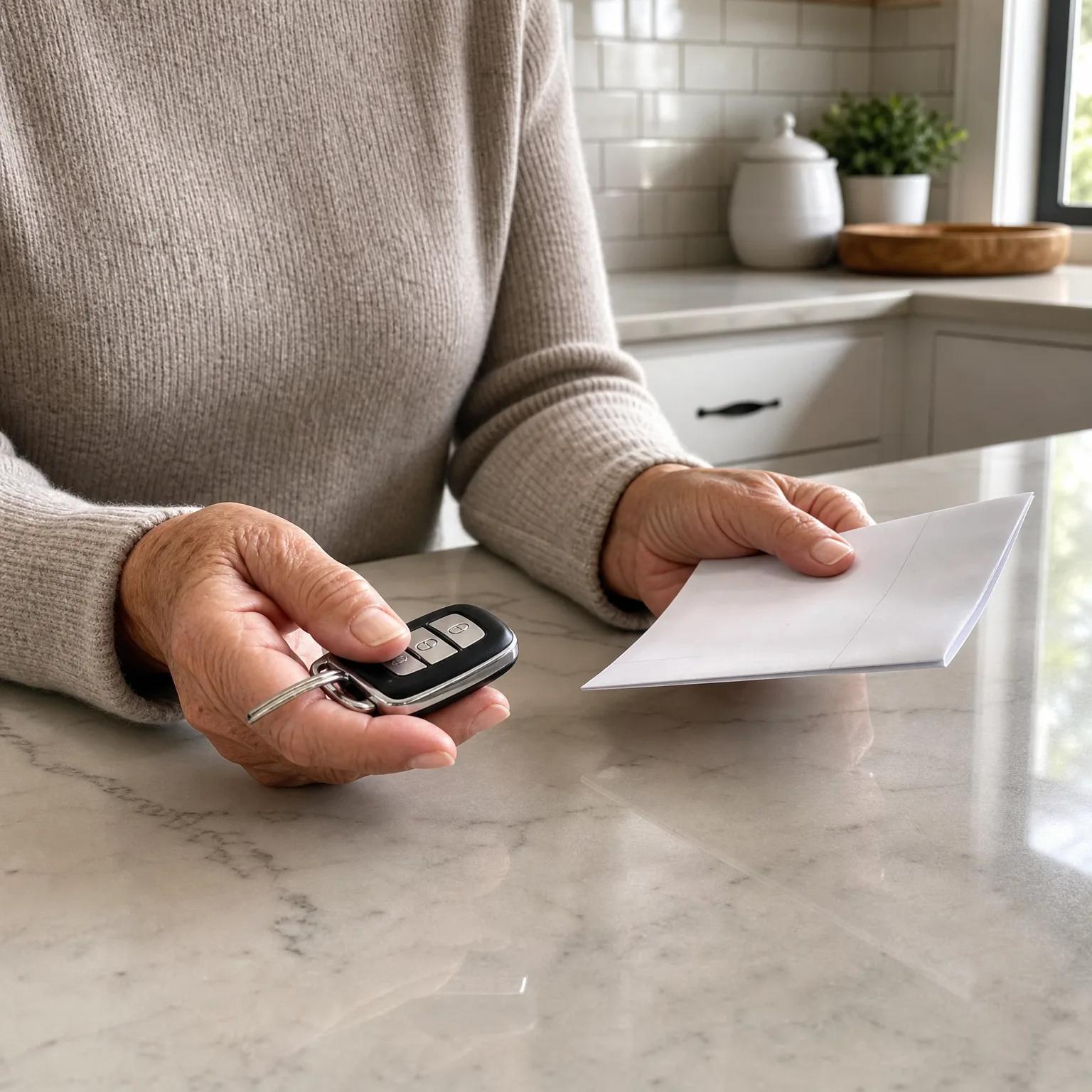
Your state sets the rule for when a car counts as a total loss
Most states use a formula that compares the repair estimate to the car's value, and totals the car once repairs pass a set share of that value. Some states use a different formula, and a few leave more room for the insurer's judgment.
This matters because the same damage could be called repairable in one state and a total loss in another. If you're not sure which rule applies to you, your insurer or your state's insurance department can tell you.
It also affects how much you're paid. Your insurer will typically use a valuation based on comparable cars for sale in your area, condition, mileage, and options included. If that number looks low to you, ask how it was calculated and whether you can submit your own comparable listings.
Keep in mind this valuation is separate from what you might still owe on a loan or lease. If you owe more than the car was worth, the insurance payout alone may not cover the balance, which is what gap insurance is for.
What people get wrong about a total loss payout
A lot of drivers assume a total loss means they get nothing, or that the car is worthless. Neither is true. You get paid the car's value right before the damage, which can still be a meaningful amount even on an older car.
Others assume they have no say in the number. You can push back on a low valuation by asking your insurer to explain how they arrived at it and by providing your own evidence, like local listings for similar cars.
Some drivers also don't realize they can sometimes keep the car. If you want to keep a totaled car, many insurers will let you, but they subtract the salvage value from your payout, and the car will usually need a salvage title before it can be driven or insured again. Ask your insurer directly if this is something you want to consider.
Finally, people sometimes forget that any remaining loan or lease balance isn't the insurer's responsibility unless you have gap coverage. That gap is worth checking before you need it, not after.
Questions people ask about this
How long does it take to get paid after a total loss?
It depends on how quickly the insurer can inspect the car and agree on its value. If you and the insurer disagree on the valuation, it can take longer, since there may be a back and forth over comparable listings or an appraisal.
Can I still drive my car while it's being decided if it's a total loss?
That depends on whether the car is safe to drive and what your state says about driving a damaged vehicle. Ask your insurer before you drive it, since doing so could affect the claim or your safety.
Will a total loss raise my insurance rates?
It depends on who was at fault. If the accident was your fault, it can affect your premium at renewal. If another driver was responsible and their insurer paid, it typically has less effect on your own rate, but ask your insurer how they handle it.
What happens to my loan if my car is declared a total loss?
The insurance payout goes toward what you owe, but if the payout is less than your remaining loan balance, you're still responsible for the difference unless you have gap insurance. Check with your lender about how they handle the payout.
Can I get a rental car while my total loss claim is being settled?
That depends on whether you have rental reimbursement coverage on your policy and whether the claim is still being settled or already resolved. Ask your insurer what your policy includes before you arrange a rental.
If a total loss has you shopping for a new policy, see what other insurers would charge for the car you drive now.
Ask your insurer directly how they calculate total loss value and what comparable listings they used, and request a copy of that valuation report. If the number seems low, gather a few listings yourself for similar cars in your area and send them over before you accept the payout. Check your loan or lease paperwork to see what you still owe, and ask your lender how a total loss payout gets applied. If you're thinking about keeping the car, ask your insurer about the salvage title process before you decide. Once the claim is settled, use the payout amount to start comparing quotes for your next car, since your driving record and coverage needs haven't changed even though your car has.