How to File a Car Insurance Claim Against Someone
You can file with the other driver's insurer directly, or let your own insurer start the claim and collect from theirs.
Free to compare
Call your own insurer first, even though the other driver is at fault
You're allowed to file a claim directly with the other driver's insurance company. Most people do it the other way around instead. They call their own insurer, report what happened, and let that insurer deal with collecting the money from the at-fault driver's company afterward.
There's a practical reason for that. Your own insurer already has your policy, your car, and your information on file, so the claim moves faster. If the other driver's insurer drags its feet or disputes fault, your insurer has a financial reason to push back on your behalf. You can still go straight to the other company if you'd rather, but you'll be dealing with an insurer that has no file on you and no obligation to move quickly.
Whether fault is clear changes who you're dealing with
If the other driver admits fault, or a police report names them clearly, their insurer usually accepts the claim without much back and forth. You give them the details, they open a file, and the process runs the way a claim is supposed to run.
If fault is disputed, the claim slows down no matter who you file it with. The other insurer may investigate before paying anything, and that can take weeks. This is the main reason people file through their own insurer even when they weren't at fault. Your insurer pays out faster under your own policy, then recovers the cost from the other side later. You're not waiting on a stranger's insurance company to decide what happened.
Get a police report if one was made, and get the other driver's insurance information and policy number at the scene if you can. Photos of the damage and the location help either insurer move faster, regardless of who ends up paying.
What your own policy covers affects which claim makes sense
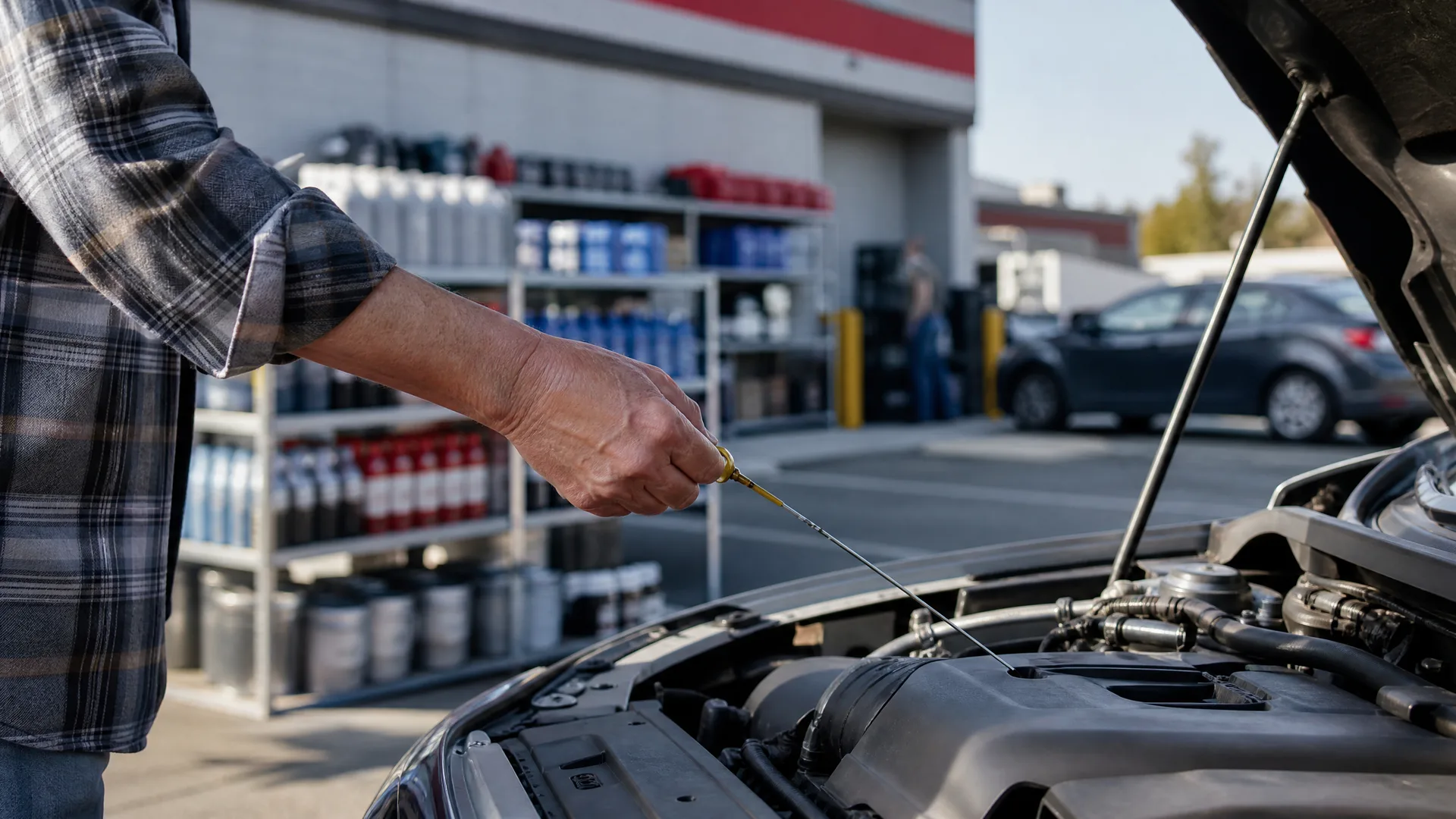
If you have collision coverage, you can file under your own policy right away and get your car repaired without waiting to find out who the other insurer decides is at fault. Your insurer then seeks reimbursement from the at-fault driver's company. You may owe your deductible upfront, but you get it back if the other driver is found fully at fault.
If you don't have collision coverage, filing directly with the other driver's insurer may be your only option for getting your car repaired, since your own policy won't pay for the damage. In that case, expect the process to take longer, since you're relying entirely on their insurer's timeline and their willingness to accept fault.
Check your policy or ask your insurer what coverage you're carrying before you decide which way to file. That one detail determines whether filing through your own insurer is even possible.
Questions people ask about this
What information do I need to file a claim against another driver?
You'll need the other driver's name, insurance company, and policy number, along with the date, location, and details of what happened. A police report, if one was filed, makes the claim easier to process. Photos of the damage and any witness names help too, especially if fault ends up being disputed.
What happens if the other driver's insurance denies the claim?
You can ask them to explain why in writing, and you can file under your own policy instead if you have the coverage for it. If you believe the denial is wrong, you can also contact your state's insurance department, which handles complaints about how insurers process claims. Your own insurer can sometimes help push back on a denial too, since they may end up seeking the same money.
Do I have to go through my own insurer if I wasn't at fault?
No, you can file directly with the other driver's insurer instead. Many people choose their own insurer anyway because the claim moves faster and any deductible is usually refunded once fault is confirmed. Check with your insurer about how that reimbursement works before you decide.
Will filing a claim against another driver raise my own rates?
If you weren't at fault, a claim against the other driver's insurance typically shouldn't affect your rate, but this depends on your insurer and your state. Ask your insurer directly how they classify not-at-fault claims, since some track them differently than claims where you were responsible.
How long does a claim against another driver take to settle?
It depends on whether fault is in dispute and how quickly both insurers respond. Claims with a clear police report and an insurer that accepts fault tend to move faster. If the other driver's insurer investigates or disputes what happened, the timeline can stretch out considerably.
If you're dealing with a claim and wondering whether your own coverage is doing enough for you, it's worth seeing what else is out there.
Get the other driver's insurance information, policy number, and a copy of the police report if one was filed. Call your own insurer this week, even if you weren't at fault, and ask how they handle claims against another driver's policy. Ask specifically whether you'd need to pay your deductible upfront and how reimbursement works if the other driver is found at fault. If you don't have collision coverage, ask what your options are for filing directly with the other driver's insurer instead. Keep photos of the damage and any paperwork together in one place until the claim is resolved.