Who Is Supposed to File a Claim for a Car Accident
The driver involved in the accident files the claim, usually with their own insurer, even if someone else caused the crash.
Free to compare
The driver files, not the owner or a passenger
If you were behind the wheel, the claim is yours to file. You report it to your own insurance company first, even when the other driver caused the accident. Your insurer then deals with the other driver's insurer to sort out who pays.
If the car belongs to someone else, like a family member, the owner's policy is usually the one that responds, but the person driving still reports what happened. If you were a passenger, you don't file a claim yourself unless you were hurt and need to make an injury claim against a driver's policy.

Who was at fault changes where the claim goes, not who files it
You still file with your own insurer first, regardless of who caused the accident. Your insurer takes your statement, looks at the police report if there is one, and decides whether to pursue the other driver's insurance company for what it pays out.
If the other driver is clearly at fault, you can also choose to file directly with their insurance company instead of going through your own. Some people do this to avoid any effect on their own policy, though the other insurer may take longer to respond since they're representing their own driver, not you.
In states with no-fault rules, your own insurer pays for your injuries regardless of fault, so filing with them isn't optional in the same way. Check whether your state is a no-fault state, since that changes how claims are typically handled from the start.
If fault is unclear or disputed, both insurers may open claims and investigate separately. You're not responsible for deciding who was at fault. That's what the claims process and, if needed, the police report are for.

What people get wrong about filing
Many drivers wait to file because they assume the other driver will report it first, or because the damage looks minor. There's no rule that the at-fault driver has to file anything. If you don't report it, your insurer may not know an accident happened until much later, which can complicate things if injuries or damage show up afterward.
Some drivers also assume that if they weren't at fault, they don't need to involve their own insurer at all. You can deal directly with the other driver's insurance company, but your own insurer can still help, especially if the other company is slow or denies the claim.
If more than one car is involved, each driver typically files with their own insurer. There isn't one person responsible for filing on behalf of everyone in the accident.
Questions people ask about this
Do I have to file a claim if the accident wasn't my fault?
You're not required to, but it protects you to report it to your own insurer anyway. If the other driver's insurance delays or disputes the claim, having your own insurer aware of the accident from the start gives you another way to get it resolved.
What happens if the other driver never reports the accident?
Your claim can still move forward using your own report, any police report, and whatever evidence you have, like photos or witness information. The other driver not reporting it doesn't stop your insurer from processing your claim.
Can a passenger file their own claim?
A passenger who was injured can usually file a claim against the at-fault driver's insurance, separate from any claim the driver makes. Check with the insurer involved about how passenger injury claims are handled, since the process differs from a driver's own claim.
Does filing a claim affect my insurance even if I wasn't at fault?
It depends on your insurer and your state. Some companies protect your rate if you're found not at fault, others may still consider the claim when your policy renews. Ask your insurer directly how they handle not-at-fault claims before you decide whether to file through them or the other driver's company.
Who files the claim if the car is borrowed or rented?
The driver at the time of the accident reports what happened, but whose policy responds depends on the car's owner, the rental agreement, and the state. For a borrowed car, the owner's insurance is typically primary. For a rental, check the rental agreement and any coverage you purchased or already had through your own policy.
If you're dealing with a claim now, or trying to understand how one might affect what you pay, it helps to see what other insurers would charge you.
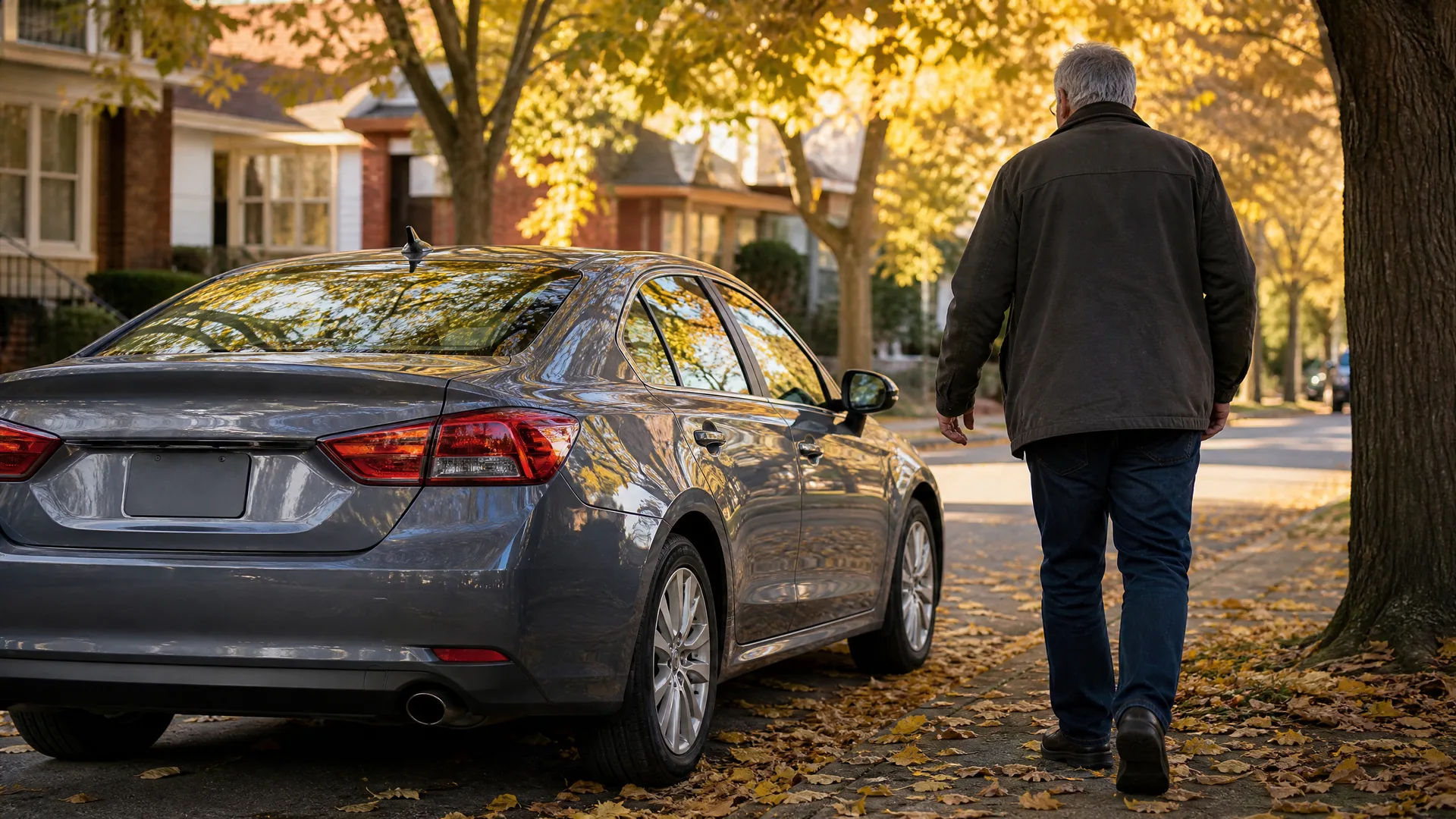
Report the accident to your own insurer this week, even if you think the other driver was at fault. Have the police report, photos, and the other driver's insurance information ready when you call. Ask your insurer directly whether a not-at-fault claim affects your rate, since the answer depends on your company and your state. If the other driver's insurer contacts you first, you can still loop in your own insurer for help. Once the claim is settled, it's worth checking whether your current policy is still your best option.