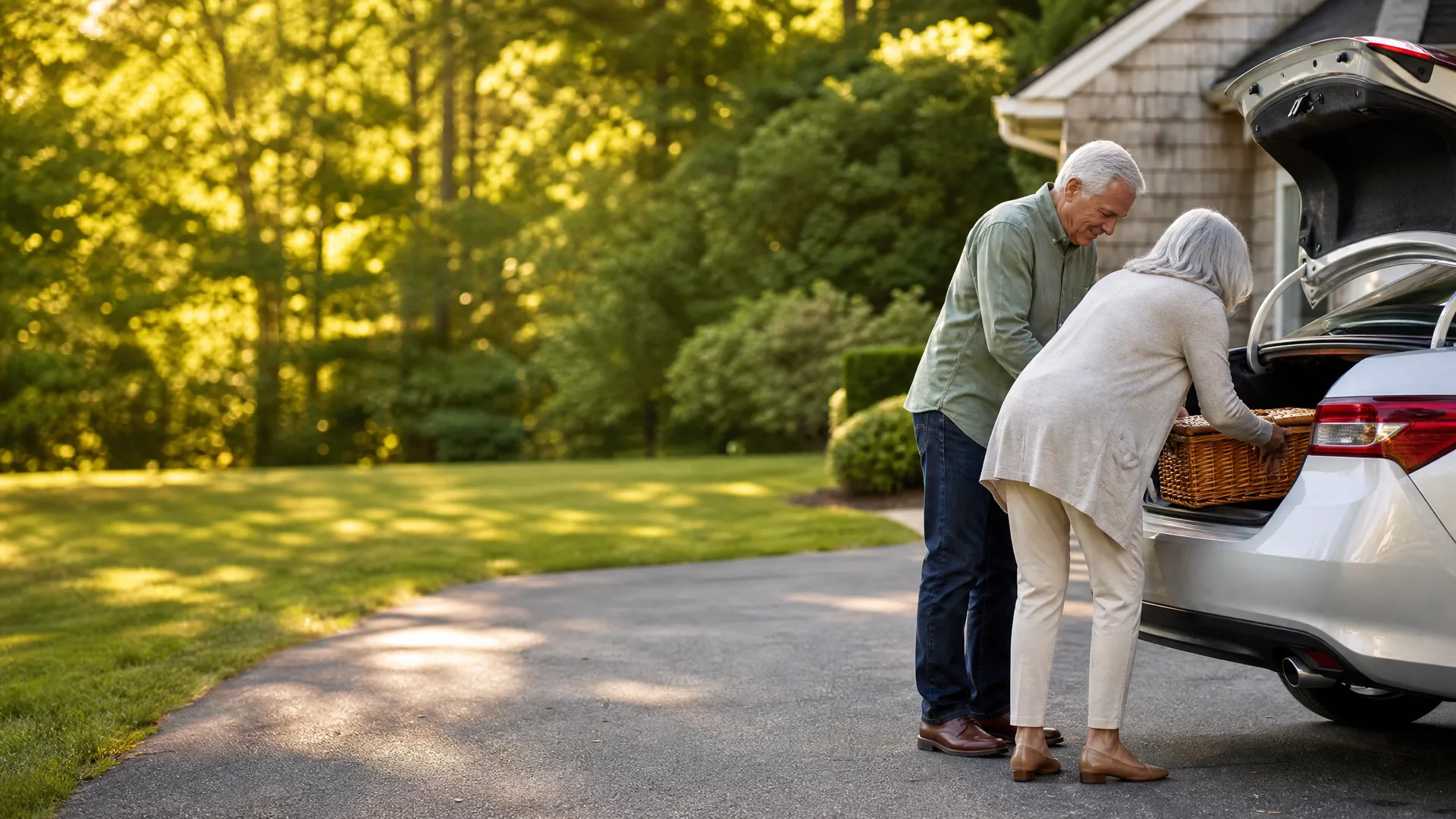
How to Lower Car Insurance Rates as a Senior Driver in Houston
Free to compare
Why Houston Senior Drivers Face Higher Premiums Despite Clean Records
Auto insurance rates in Texas typically increase 8–15% between age 65 and 70, then accelerate 12–22% between ages 70 and 75, even for drivers with spotless records. Houston's higher-than-state-average collision frequency and uninsured motorist rate (estimated at 14–18% of drivers) compound these age-based increases. Carriers price urban senior drivers differently than their suburban or rural counterparts—ZIP codes in inner Loop areas like 77006 and 77019 often see steeper age-related adjustments than those in Katy (77449) or The Woodlands (77380), despite similar driving histories.
Texas does not mandate that insurers offer senior-specific discounts, nor does state law require automatic application of mature driver course credits at renewal. This regulatory gap means most Houston seniors receive rate increases at age milestones while missing offsetting discounts they've already qualified for. The Texas Department of Insurance confirms that age-based rating is permissible, but discount eligibility often requires policyholder initiation—carriers send renewal notices showing the new premium without itemizing unclaimed credits.
Houston's insurance market includes roughly 40 carriers actively writing policies for drivers 65+, but discount structures vary dramatically. One carrier may offer a 10% mature driver course discount while another offers 5%, and a third may not publicize the discount at all despite offering it upon request. Without direct comparison across multiple carriers and explicit discount requests, most senior drivers renew at inflated rates year after year.

The Mature Driver Course Discount Houston Seniors Overlook
Texas allows insurers to offer discounts of 5–15% for drivers who complete state-approved defensive driving courses, with most major carriers in Houston providing 8–10% reductions that last three years. AARP Smart Driver and AAA Senior Driver courses qualify, typically costing $20–$30 for the online version and requiring 4–6 hours to complete. The discount applies to most coverage types except liability in some carrier structures, meaning a senior paying $140/mo for full coverage could save $11–$14/mo, or $396–$504 over the three-year credit period.
The critical detail Houston seniors miss: fewer than 35% of eligible Texas drivers over 65 have taken an approved course in the past three years, according to AARP's 2023 program data. Carriers do not send enrollment reminders, and renewal documents rarely highlight the discount as available but unclaimed. You must complete the course, submit the certificate directly to your carrier, and confirm the discount appears on your next billing statement—the process is entirely policyholder-driven.
Some Houston-area community centers and senior centers offer in-person versions of approved courses, often at reduced cost or free through local sponsorships. The Houston Public Library system occasionally hosts sessions, and several congregate meal sites in Harris County coordinate group enrollments. Online courses through AARP and AAA allow completion at your own pace and provide instant certificate download, eliminating the wait for mailed credentials.
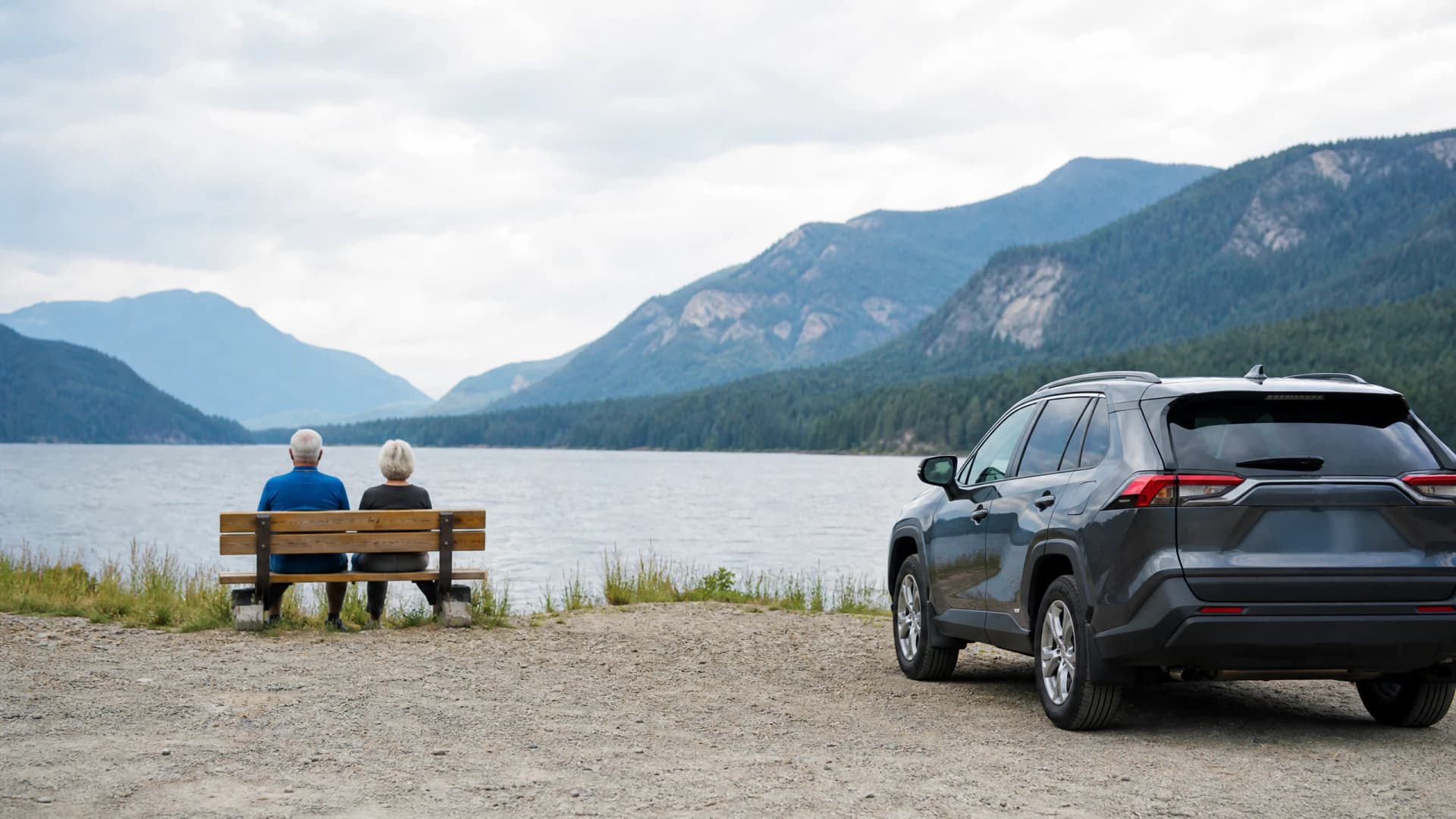

Low-Mileage and Retired-Status Programs Texas Carriers Rarely Advertise
If you no longer commute to work and drive fewer than 7,500 miles annually, you likely qualify for low-mileage discounts ranging from 5–20% depending on the carrier and your reported annual mileage. Houston seniors who previously drove 12,000–15,000 miles per year for work often continue paying premiums calculated on those higher estimates, even years into retirement. Carriers including State Farm, Allstate, and USAA offer mileage-verification programs—some through annual odometer photos, others via telematics devices that track actual usage.
Retired-status discounts, distinct from low-mileage credits, recognize that drivers without daily commutes face different risk profiles. These discounts typically range from 3–10% and require you to declare retired status and confirm you no longer drive to a workplace. Not all carriers offer this discount, and those that do rarely apply it without a direct request and policy update. A Houston senior transitioning from 45-mile daily commutes to twice-weekly errands could qualify for both low-mileage and retired-status reductions, compounding to 15–25% in total savings.
Telematics programs like Progressive's Snapshot and Allstate's Drivewise monitor braking patterns, speed, and time-of-day driving. Houston seniors who avoid rush-hour traffic and maintain smooth driving habits often score well in these programs, earning additional discounts of 10–30%. The privacy concern is valid—these devices do track location and driving behavior—but participation is voluntary, and the data is contractually limited to rate calculation, not shared with third parties or used for claims denial based solely on telematics scores.
When Full Coverage No Longer Makes Financial Sense on a Paid-Off Vehicle
Comprehensive and collision coverage on a 2012–2016 vehicle worth $4,000–$8,000 can cost Houston seniors $60–$90/mo combined, or $720–$1,080 annually. The financial logic shifts when your vehicle's actual cash value drops below 10 times your annual premium for these coverages. If you're paying $840/year to insure a car worth $5,500, a total loss claim nets you $4,660 after a typical $500 collision deductible—barely five years of premiums.
Texas requires liability insurance but does not mandate comprehensive or collision coverage on paid-off vehicles. Dropping to liability-only coverage could reduce your premium from $145/mo to $55–$75/mo, depending on your liability limits and ZIP code. The decision hinges on whether you could replace your vehicle out-of-pocket if it were totaled or stolen. Houston's vehicle theft rate, particularly for older model Hondas and Toyotas, makes comprehensive coverage more valuable than in lower-theft cities, but the math still favors dropping coverage once the vehicle's value falls below the threshold.
Before canceling comprehensive coverage, consider Houston's severe weather patterns—hail damage claims from spring storms are common, and flooding remains a risk in areas with poor drainage. Comprehensive covers these non-collision events. If your vehicle is garaged and you live outside the 100-year floodplain, the risk calculates differently than for a car parked on the street in a flood-prone ZIP code. A middle option: raise your comprehensive deductible from $250 to $1,000, reducing premium cost while maintaining catastrophic protection.
See What Drivers Over 65 Are Paying Now
See If You Qualify for Discounts
How Medical Payments Coverage Interacts with Medicare for Houston Seniors
Medical payments coverage (MedPay) on your auto policy pays injury-related expenses regardless of fault, up to your selected limit—typically $1,000–$10,000. Medicare covers most accident-related medical costs for seniors, but MedPay pays first, covering deductibles, copays, and expenses Medicare doesn't fully reimburse, like ambulance transport and emergency room facility fees. For Houston seniors on Original Medicare without supplemental coverage, MedPay fills gaps that can total $500–$2,000 after a moderate accident.
Texas does not require MedPay, and many seniors drop it assuming Medicare provides complete coverage. Medicare Part B covers 80% of medically necessary services after you meet the annual deductible, leaving you responsible for the remaining 20% plus any Part A deductible if hospitalized. A $5,000 MedPay policy costs roughly $8–$15/mo in Houston and covers these out-of-pocket costs immediately, without Medicare's processing delays or secondary billing.
If you carry a Medicare Supplement (Medigap) Plan F or Plan G that covers most cost-sharing, MedPay becomes partially redundant for your own injuries. However, MedPay also covers passengers in your vehicle who may not have health insurance or Medicare, including grandchildren or friends. For Houston seniors who frequently transport family members, maintaining $2,500–$5,000 in MedPay provides practical passenger protection that liability coverage alone doesn't address for your own vehicle occupants.

Bundling, Group Affiliation, and Payment Method Discounts Houston Seniors Miss
Bundling your auto and homeowners policies with the same carrier generates 10–25% discounts on both policies, with the steepest savings appearing on the auto side. A Houston senior paying $130/mo for auto and $95/mo for homeowners through separate carriers could reduce the combined cost to $180–$200/mo by bundling, saving $45–$45/mo or $540–$780 annually. Not all bundling arrangements offer equal value—some carriers discount auto heavily while barely reducing homeowners rates, making the total savings less than switching auto coverage alone to a competitor.
Group affiliation discounts through organizations like AARP, AAA, professional associations, and alumni groups range from 3–15% depending on the carrier and your membership status. USAA offers substantial senior discounts but restricts eligibility to military members and their families. AARP's partnership with The Hartford provides advertised discounts, but comparison shopping often reveals that competitor base rates beat The Hartford's discounted rate for the same coverage. The discount percentage matters less than the final monthly cost after all credits are applied.
Paying your full premium upfront rather than monthly installments saves 5–8% at most carriers, as monthly payment plans include financing fees that aren't always labeled as such. A $1,440 annual premium paid in full might cost $1,330–$1,370, while the same policy on monthly autopay totals $125–$130/mo or $1,500–$1,560 annually. For seniors with sufficient cash reserves, the upfront payment earns an effective return equivalent to the fee you avoid. Electronic funds transfer (EFT) or autopay discounts add another 2–5%, though these are increasingly standard rather than optional credits.
Comparing Rates Across Carriers: What Houston Seniors Should Request
Rate comparison for Houston seniors requires quotes from at least 4–6 carriers with identical coverage limits, deductibles, and disclosed discounts. Request quotes specifying your actual annual mileage, mature driver course completion, retired status, and any group affiliations. Comparing a $100/mo quote with a $500 deductible against a $90/mo quote with a $1,000 deductible produces false savings—you're comparing different coverage structures, not carrier pricing.
When requesting quotes, explicitly ask whether mature driver, low-mileage, and retired-status discounts are already applied or require separate documentation. Some carriers auto-apply age-based discounts at quote stage, while others show base rates and add discounts only after you submit proof of course completion or mileage verification. This creates confusion when comparing initial quotes that may not reflect your final premium. Confirm in writing which discounts appear on the quote and which require post-purchase submission.
Texas seniors shopping coverage should obtain quotes from at least one direct carrier (Geico, Progressive), one captive agent carrier (State Farm, Allstate), and one senior-focused or military-affiliated carrier if eligible (USAA, The Hartford). Rate variation for identical coverage in Houston frequently spans 40–70% between the highest and lowest quote for drivers 65+, with the low-cost carrier varying based on your specific age, ZIP code, vehicle, and claims history. Annual re-shopping, timed three weeks before your renewal date, ensures you're not locked into a carrier whose age-based increases have outpaced competitor pricing.
Frequently Asked Questions
Does Texas require insurance companies to give senior driver discounts?
No, Texas does not mandate senior-specific discounts. Carriers may offer mature driver course discounts, low-mileage credits, and retired-status reductions, but these are voluntary programs that require you to request them and provide documentation. Most are not automatically applied at renewal.
How much does a defensive driving course save Houston seniors on car insurance?
Approved mature driver courses in Texas generate 5–15% discounts lasting three years, with most Houston carriers offering 8–10%. On a $140/mo premium, that's $11–$14/mo in savings, or roughly $396–$504 over three years. You must submit your completion certificate directly to your carrier to receive the credit.
Should I drop full coverage on my paid-off car if I'm over 65?
If your vehicle's value is less than 10 times your annual comprehensive and collision premium, dropping to liability-only often makes financial sense. A car worth $5,000 insured for $840/year in comp and collision recovers only about five years of premiums after a total loss, minus your deductible.
Do I still need medical payments coverage if I have Medicare?
MedPay covers accident expenses Medicare doesn't fully reimburse, including deductibles, the 20% coinsurance under Part B, and ambulance fees. It also covers passengers in your vehicle who may not have Medicare. For $8–$15/mo, a $5,000 MedPay policy fills meaningful gaps for Houston seniors on Original Medicare without Medigap.
How often should senior drivers in Houston compare car insurance rates?
Annual comparison shopping, ideally three weeks before your renewal date, ensures you catch competitor rate changes and aren't paying for cumulative age-based increases your current carrier has applied. Rate spreads for identical coverage among Houston seniors often exceed 40–70% between carriers.
Related Articles
Convert Joint Auto Insurance After Spouse Dies | Wisconsin
4/29/2026

Oregon License Renewal at 85: Testing & Insurance Impact
4/29/2026
MO License Renewal at 75: Tests, Restrictions & Rates
4/29/2026

Surviving Spouse Auto Insurance in Colorado: Transfer Rules
4/29/2026
Car Insurance After 70: Lower Rates Despite Increases
4/1/2026

Spouse Died in Hawaii: Convert Joint Auto Policy
4/29/2026