
How to Lower Car Insurance Rates as a Senior Driver in Kansas City
Free to compare
Why Kansas City Senior Drivers See Rate Increases Despite Clean Records
Kansas City drivers aged 65 and older typically see premiums rise 8–12% between age 65 and 70, then 12–18% between 70 and 75, even with no accidents or violations. Missouri uses age-based actuarial tables that classify drivers over 70 in higher risk tiers, regardless of individual driving history. This means your premium can increase at renewal simply because you've aged into a different rating bracket.
The rate acceleration happens because Missouri allows insurers to adjust premiums based on age without proving individual risk elevation. Carriers justify this through aggregate claims data showing increased accident frequency after age 72, but many individual seniors maintain spotless records for decades. If you've driven the same paid-off 2015 sedan for eight years with zero claims and suddenly see a 14% increase at age 73, you're experiencing age-tier reclassification, not a reflection of your actual risk.
Kansas City's urban insurance market compounds this effect. The metro area's higher collision rates in zip codes like 64111, 64112, and 64113 create baseline premiums 18–24% above rural Missouri averages. When age-based increases layer onto already-elevated urban rates, senior drivers in central Kansas City neighborhoods often face the steepest cumulative premium growth in the state.
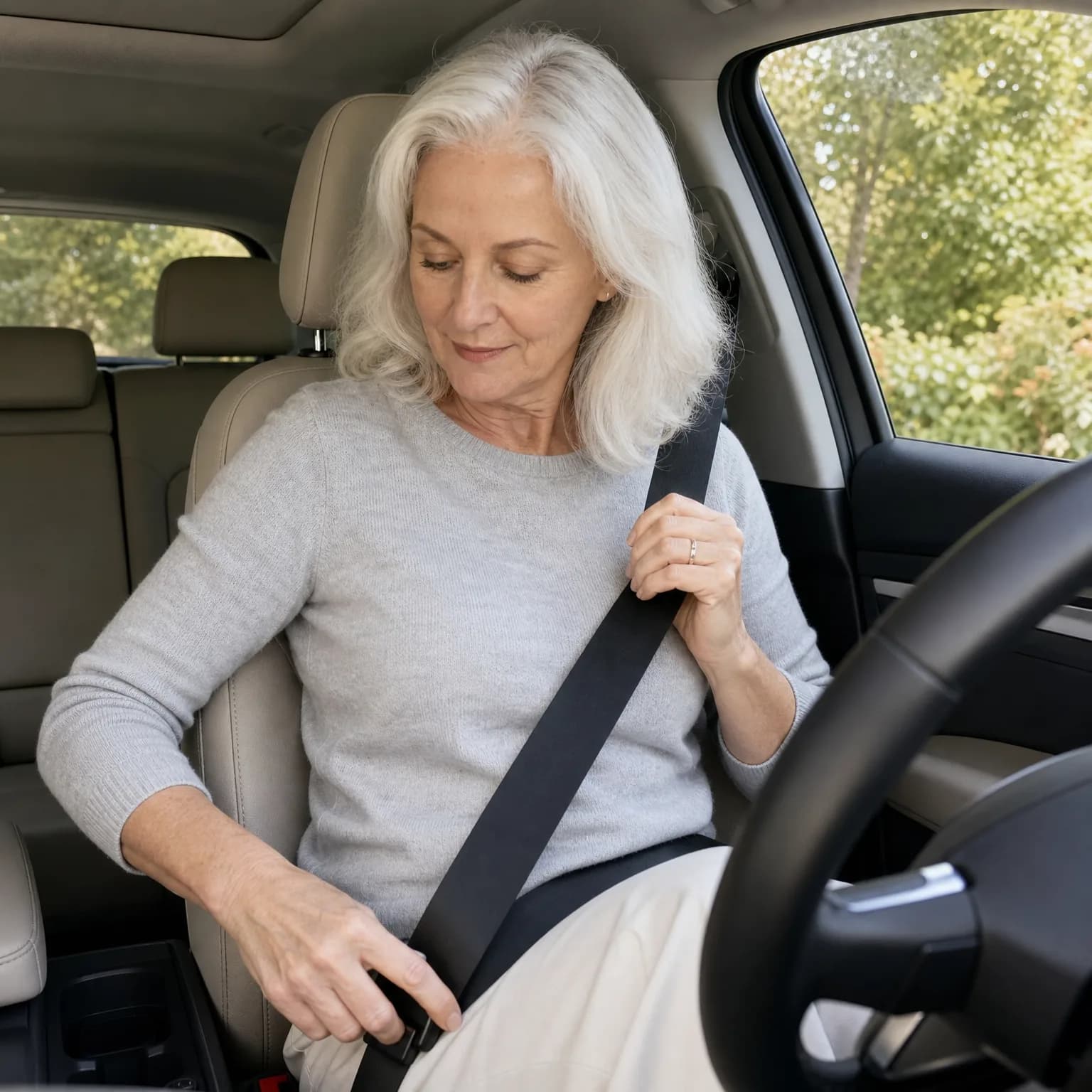
Mature Driver Course Discounts Most Kansas City Seniors Never Claim
Missouri law requires insurers to offer a mature driver course discount, but carriers are not required to apply it automatically — you must complete an approved course and submit proof to your insurer. The discount typically ranges from 5% to 15% of your total premium and remains valid for three years from course completion. For a Kansas City senior paying $145/mo for full coverage, a 10% mature driver discount saves $174 annually.
Approved courses include AARP Smart Driver (offered online and in-person throughout Kansas City), AAA's Roadwise Driver program, and the National Safety Council's Defensive Driving Course. The AARP course costs $25 for members, $30 for non-members, takes 4–6 hours to complete online, and qualifies you immediately upon completion. You'll receive a certificate within 10 days that you submit directly to your insurance company — most accept email or upload through their policyholder portal.
The critical detail most Kansas City seniors miss: your insurer will not remind you when your three-year discount period expires. If you completed the course in January 2022, your discount disappears at your January 2025 renewal unless you retake the course and resubmit certification. Setting a calendar reminder 30 days before your three-year expiration ensures you complete the renewal course before your discount lapses, avoiding an unnecessary 5–15% rate jump.


Low-Mileage and Telematics Programs for Retired Kansas City Drivers
Retired Kansas City drivers who no longer commute to downtown or Johnson County typically drive 40–60% fewer miles annually than during working years. If you're now driving under 7,500 miles per year — roughly 145 miles per week — you likely qualify for low-mileage discounts ranging from 8% to 20% depending on the carrier and your actual mileage.
State Farm's Drive Safe & Save, Progressive's Snapshot, and Nationwide's SmartMiles programs all operate in Kansas City and offer usage-based discounts. SmartMiles charges a low base rate plus a per-mile rate, making it particularly effective for seniors driving under 6,000 miles annually. A Kansas City driver reducing mileage from 12,000 to 5,500 miles per year after retirement could save $280–$420 annually through SmartMiles versus a traditional policy.
Telematics programs track mileage and sometimes driving behaviors like hard braking, rapid acceleration, and nighttime driving. If you primarily drive daylight hours for errands, medical appointments, and weekly social activities, telematics data typically shows favorable patterns that qualify you for additional discounts of 5–12%. The device plugs into your vehicle's diagnostic port or operates through a smartphone app — installation takes under five minutes, and you'll see preliminary discount estimates within 30–45 days of enrollment.
When Full Coverage No Longer Makes Financial Sense on Paid-Off Vehicles
Kansas City seniors driving paid-off vehicles aged 8–12 years face a critical coverage decision: whether comprehensive and collision premiums exceed the potential payout after deductible. If your 2014 Honda Accord has a current market value of $8,200 and you're paying $68/mo ($816/yr) for comprehensive and collision with a $500 deductible, your maximum net claim payout is $7,700 — meaning you'd recover your annual premium cost in less than one year of coverage.
The financial threshold most insurance professionals use: if your annual comprehensive and collision premium exceeds 10% of your vehicle's current value, consider dropping to liability-only coverage. For an $8,200 vehicle, that threshold is $820 annually, or roughly $68/mo. You can check your vehicle's current value through Kelley Blue Book or NADA Guides using your VIN, mileage, and condition rating — this takes approximately five minutes and provides the data point you need for this decision.
Missouri requires minimum liability coverage of 25/50/25 ($25,000 bodily injury per person, $50,000 per accident, $25,000 property damage), but most financial advisors recommend 100/300/100 for drivers with retirement assets to protect. Dropping comprehensive and collision on a paid-off vehicle while maintaining higher liability limits often reduces total premium by 35–50% while providing better protection against the lawsuit risk that actually threatens retirement savings. For Kansas City seniors with home equity or substantial retirement accounts, higher liability coverage with no collision coverage typically makes more financial sense than minimum liability with full coverage on an aging vehicle.

See What Drivers Over 65 Are Paying Now
See If You Qualify for Discounts
How Medicare Coordinates with Auto Insurance Medical Payments Coverage
Kansas City seniors enrolled in Medicare Part B often don't realize they're paying for duplicate medical coverage through their auto insurance. Medical Payments coverage (MedPay) on your auto policy pays medical expenses after an accident regardless of fault, but Medicare Part B covers the same expenses with typically lower out-of-pocket costs due to Medicare's negotiated rates.
If you're paying $8–$15/mo for $5,000 in MedPay coverage and you have Medicare Part B, you're spending $96–$180 annually for redundant protection. Medicare processes as primary coverage for accident-related injuries, meaning it pays first before your auto insurance MedPay. The only scenario where MedPay provides value for Medicare enrollees is covering your Medicare Part B deductible ($240 in 2024) and the 20% coinsurance — benefits that rarely justify the annual premium cost.
The exception applies to seniors who frequently transport non-Medicare passengers like grandchildren or uninsured friends. MedPay covers all passengers in your vehicle regardless of their health insurance status, so if you regularly drive others, maintaining $2,500–$5,000 in MedPay provides passenger protection Medicare won't cover. For Kansas City seniors who drive alone or only with a Medicare-enrolled spouse, removing MedPay and redirecting that $96–$180 annual savings toward higher liability limits provides better overall protection.

Multi-Policy and Payment Discounts Kansas City Insurers Don't Advertise
Bundling your auto and homeowner's insurance with the same carrier typically generates discounts of 15–25% on your auto premium, but most Kansas City seniors don't realize these discounts are negotiable at renewal. If you've maintained both policies with the same insurer for five-plus years with no claims, you have leverage to request an enhanced bundle discount — particularly if you've received competing quotes showing better rates elsewhere.
Paid-in-full discounts of 5–8% apply when you pay your six-month or annual premium upfront rather than monthly. For a senior paying $145/mo ($870 per six months), a 6% paid-in-full discount saves $52.20 per term, or $104.40 annually. If cash flow permits paying the full term upfront, this discount compounds with your mature driver and low-mileage discounts to create cumulative savings of 20–35%.
Paperless and automatic payment discounts add another 2–5% combined, though these are among the smallest available discounts. The higher-value opportunity most Kansas City seniors miss is the retention discount available when you call 45–60 days before renewal and mention you're comparing rates. Carriers would rather offer a 10–12% retention adjustment than lose a long-term policyholder with a clean record — but you must initiate this conversation, as retention discounts are never applied automatically.
Comparing Kansas City Insurers That Specialize in Senior Driver Coverage
Kansas City's insurance market includes carriers that price senior drivers more favorably than the national brands. The Hartford, which partners with AARP, specializes in drivers aged 50-plus and typically offers rates 8–15% below State Farm and Allstate for Kansas City seniors with clean records. Auto-Owners Insurance, though less advertised, frequently provides competitive rates for Missouri seniors and offers accident forgiveness programs specifically designed for drivers aged 65 and older.
Local and regional insurers like Shelter Insurance and American Family often beat national carriers on price for Kansas City seniors because they use Missouri-specific actuarial data rather than national risk models. A 72-year-old Kansas City driver with a clean record seeking 100/300/100 liability coverage might pay $128/mo with State Farm but $104/mo with Shelter — a difference of $288 annually for identical coverage limits.
The comparison process requires quoting at least three carriers, as senior driver pricing varies dramatically by insurer. Request quotes for identical coverage limits to ensure accurate comparison: specify your liability limits, deductibles, and any coverage you're considering dropping. Most insurers provide online quotes within 10–15 minutes, though speaking directly with an agent often uncovers additional discounts — particularly mature driver, low-mileage, and loyalty discounts that online quote tools don't always surface automatically.
Frequently Asked Questions
Does Missouri require insurers to offer senior driver discounts?
Missouri law requires insurers to offer a mature driver course discount to policyholders who complete an approved defensive driving course, but carriers are not required to apply it automatically — you must submit your completion certificate. The discount typically ranges from 5% to 15% and remains valid for three years from course completion.
At what age do car insurance rates start increasing for Kansas City seniors?
Most Kansas City insurers begin applying age-based rate increases around age 70, with premiums rising 8–12% between ages 65–70 and 12–18% between ages 70–75. These increases occur even with a clean driving record because Missouri allows age-tier reclassification based on actuarial tables rather than individual risk.
Should I keep collision coverage on my paid-off 2015 vehicle?
If your annual collision and comprehensive premium exceeds 10% of your vehicle's current market value, most financial advisors recommend dropping that coverage and maintaining only liability protection. For a vehicle worth $8,200, that threshold is approximately $820 per year or $68 per month in collision/comprehensive premiums.
Do I need Medical Payments coverage if I have Medicare Part B?
Most Kansas City seniors with Medicare Part B don't need MedPay coverage, as Medicare processes as primary coverage for accident-related injuries and typically offers better rates. The exception is if you frequently transport non-Medicare passengers like grandchildren, as MedPay covers all passengers regardless of their health insurance status.
How much can I save by taking an AARP mature driver course in Kansas City?
Kansas City seniors completing an approved mature driver course typically save 5–15% on their auto insurance premium for three years from completion. For a driver paying $145/mo, a 10% discount saves approximately $174 annually, or $522 over the three-year discount period.
Related Articles

Convert Joint Auto Insurance After Spouse Dies | Wisconsin
4/29/2026

Oregon License Renewal at 85: Testing & Insurance Impact
4/29/2026

MO License Renewal at 75: Tests, Restrictions & Rates
4/29/2026

Surviving Spouse Auto Insurance in Colorado: Transfer Rules
4/29/2026

Car Insurance After 70: Lower Rates Despite Increases
4/1/2026

Spouse Died in Hawaii: Convert Joint Auto Policy
4/29/2026