
How to Lower Car Insurance Rates as a Senior Driver in Milwaukee
Free to compare
Wisconsin's Mature Driver Course Discount: The Most Underutilized Savings Tool
Wisconsin does not mandate that insurers offer mature driver course discounts, but nearly every major carrier writing policies in Milwaukee provides them anyway — typically ranging from 10% to 15% off your premium. The problem is structural: carriers will not automatically apply this discount when you turn 65 or at your next renewal. You must complete an approved course, submit proof of completion to your insurer, and explicitly request the discount be added to your policy.
AARP offers its Smart Driver course both online and in-person throughout Milwaukee, with completion certificates issued immediately upon finishing the program. Most carriers accept AARP, AAA, and state-approved defensive driving courses. The discount typically lasts three years before requiring recertification. For a Milwaukee senior paying $1,200 annually for full coverage, a 10% mature driver discount saves $120 per year — $360 over the three-year certification period, far exceeding the $15–$25 course fee.
When you call your carrier or agent to request the discount, ask specifically what documentation format they require and whether they need the certificate number or a physical copy. Some carriers process the discount within one billing cycle; others apply it at your next renewal. If you completed a course more than 30 days ago and haven't seen the discount reflected, follow up directly — administrative delays are common, and the discount is not applied retroactively to periods before you submitted documentation.

Low-Mileage Programs for Retired Milwaukee Drivers
If you no longer commute to work and drive fewer than 7,500 miles per year, you're likely overpaying based on outdated mileage estimates from when you were employed full-time. Milwaukee-area carriers including State Farm, Nationwide, and Metlife offer low-mileage discounts ranging from 5% to 20% depending on verified annual mileage. The discount threshold varies: some carriers reduce rates at 10,000 miles per year, others at 7,500 or 5,000.
Telematics programs like Progressive's Snapshot and Allstate's Drivewise track actual mileage and driving behavior, offering discounts based on measured data rather than your estimate. These programs can deliver 10% to 30% savings for Milwaukee seniors who drive infrequently, brake gently, and avoid late-night trips. The concern many seniors raise is privacy — these programs do collect trip data including time, distance, and location. If that trade-off doesn't work for you, a traditional low-mileage discount based on annual odometer readings is the alternative.
To activate a low-mileage discount, contact your carrier with your current odometer reading and an estimate of annual miles driven. Most insurers verify mileage at renewal by requesting a photo of your odometer or an in-person inspection. If you've been with the same carrier for years and your mileage dropped significantly after retirement, this adjustment won't happen unless you initiate it — your rate is still calculated using the higher mileage figure from your last policy update.

Reassessing Full Coverage on Paid-Off Vehicles
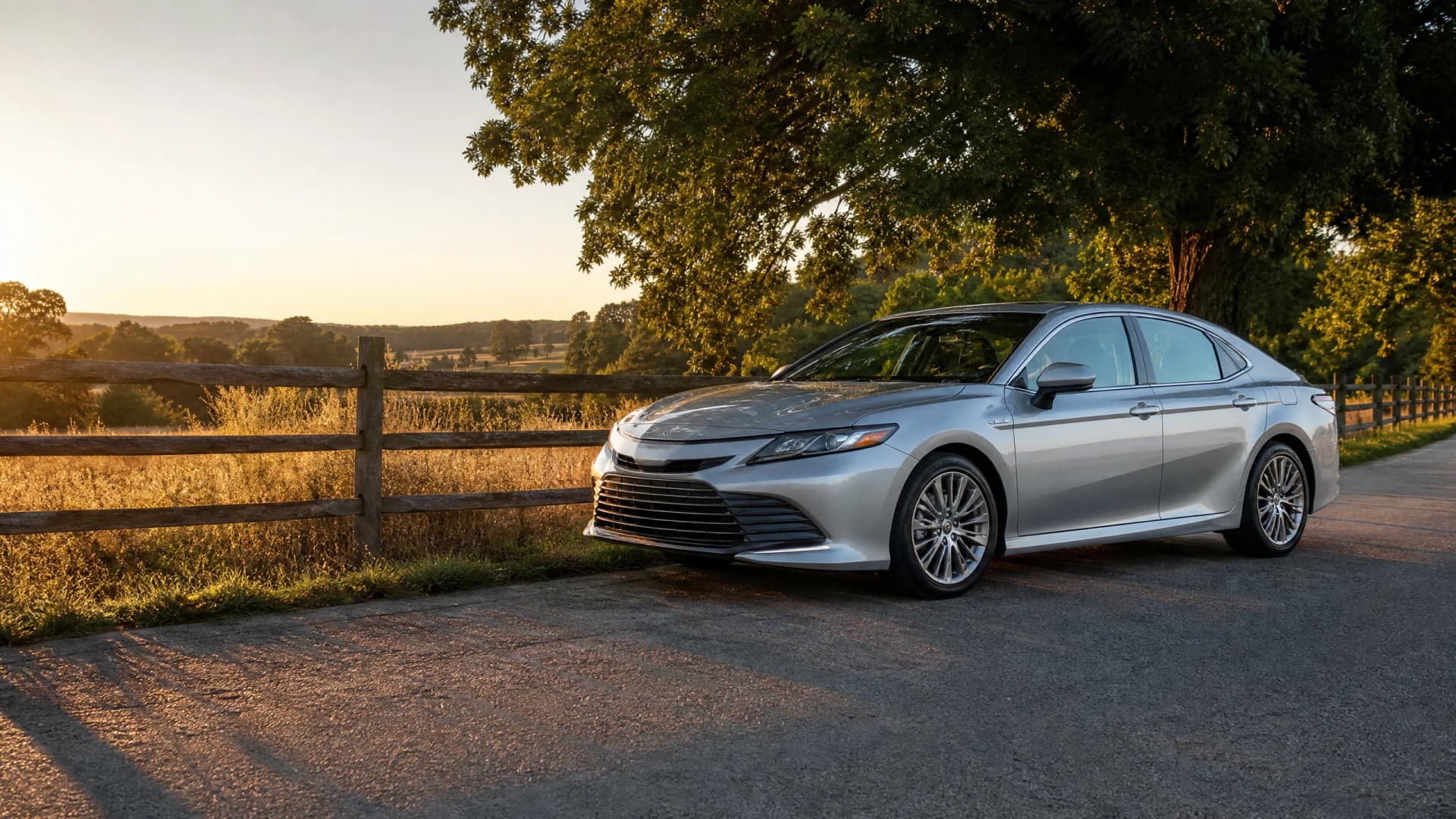
If your vehicle is paid off and worth less than $4,000 according to Kelley Blue Book or NADA, the annual cost of comprehensive and collision coverage often exceeds the maximum claim payout you'd receive after the deductible. Milwaukee seniors frequently continue paying for full coverage out of habit, not because the math supports it. A 2015 Honda Accord worth $5,500 with a $500 collision deductible would pay out a maximum of $5,000 in a total loss. If collision and comprehensive premiums total $600 per year, you'd recover your annual cost only if you file a total loss claim every eight years — statistically unlikely for most careful drivers.
The calculation changes if you have a clean driving record, low annual mileage, and a vehicle stored in a garage overnight. Comprehensive coverage in Milwaukee costs significantly less than collision — often $10 to $20 per month — and covers theft, vandalism, hail, and deer strikes, all realistic risks in southeastern Wisconsin. Dropping collision while retaining comprehensive is a middle path that preserves protection against non-driving risks while eliminating the most expensive coverage component.
Before making this change, confirm your liability limits are adequate. Wisconsin requires only $25,000 per person and $50,000 per accident in bodily injury liability, but a serious accident involving injury can easily exceed those minimums. If you reduce physical damage coverage on your own vehicle, consider increasing liability limits to $100,000/$300,000 or higher — the incremental cost is modest, and the protection is critical if you're found at fault in an accident that injures another driver.
How Medical Payments Coverage Interacts with Medicare
Wisconsin does not require medical payments coverage (MedPay), and many Milwaukee seniors question whether they need it given their existing Medicare coverage. Medicare Part B covers injuries sustained in auto accidents, but it does not pay immediately at the scene or in the emergency room — it processes as a standard medical claim with deductibles and co-pays. MedPay, by contrast, pays immediately up to your policy limit regardless of fault, covering expenses like ambulance transport, emergency room co-pays, and deductibles that Medicare doesn't fully cover.
For seniors on Original Medicare without a supplemental Medigap policy, MedPay provides gap coverage for out-of-pocket costs in the critical period immediately following an accident. A typical MedPay policy in Milwaukee costs $3 to $8 per month for $5,000 in coverage. If you carry a Medigap Plan F or Plan G that covers most out-of-pocket costs, the incremental value of MedPay diminishes — you're essentially duplicating coverage you already pay for through your supplement.
One scenario where MedPay remains valuable even with strong Medicare coverage: accidents involving passengers. If you're driving a friend or family member who is injured in an accident you cause, MedPay covers their immediate medical expenses regardless of fault. Medicare covers only the policyholder, not passengers in your vehicle. If you regularly transport others, maintaining MedPay at a $2,500 or $5,000 level is a modest cost for meaningful passenger protection.

See What Drivers Over 65 Are Paying Now
See If You Qualify for Discounts
Multi-Policy Bundling and Loyalty Discount Realities
Bundling your auto and homeowners or renters insurance with a single carrier typically saves 10% to 20% on both policies, and most Milwaukee seniors already take advantage of this discount. What's less visible is that bundling can lock you into above-market rates over time. Carriers often apply competitive pricing in year one to win the bundle, then increase rates steadily at each renewal while maintaining the bundle discount percentage — meaning you're getting 15% off a base rate that has climbed 30% over three years.
Loyalty discounts for long-tenured customers sound appealing, but they rarely exceed 5% and often don't offset the rate increases applied to your base premium as you age. A Milwaukee senior who has been with the same carrier for 15 years may be receiving a 5% loyalty discount on a premium that's 25% higher than what a competitor would charge a new customer with an identical profile. Shopping your rate every two to three years — even if you ultimately stay with your current carrier — provides leverage to negotiate retention pricing.
When comparing quotes, request identical coverage limits, deductibles, and endorsements across all carriers. A quote that appears $40 per month cheaper may reflect reduced liability limits or higher deductibles that weren't clearly disclosed. Ask specifically whether the quote includes your mature driver discount, low-mileage adjustment, and any applicable bundling — many comparison quotes are generated using default assumptions that don't reflect your actual discount eligibility.

Milwaukee-Specific Rate Factors for Senior Drivers
Milwaukee's urban density, winter weather, and higher-than-average vehicle theft rates create rate pressures that affect all drivers, but seniors often see steeper increases because age-based rate adjustments compound with ZIP code risk factors. Drivers aged 70 and older in Milwaukee typically pay 15% to 25% more than drivers aged 50 to 65 with identical coverage and driving records. This is actuarial, not punitive — claim frequency rises modestly in this age group, and carriers price accordingly.
Your specific Milwaukee neighborhood matters significantly. A senior driver in Wauwatosa with garage parking and no recent theft claims may pay 20% less than a driver in the same age group living near downtown Milwaukee with street parking. If you've recently moved within the Milwaukee area — particularly from a higher-density neighborhood to a lower-density suburb — notify your carrier immediately. ZIP code updates can reduce your premium within one billing cycle, but carriers won't initiate this change without a formal address update on file.
Winter driving patterns also affect your rate. If you spend three or four months per year in a warmer state and leave your vehicle garaged or stored in Milwaukee, ask your carrier about seasonal suspension or storage coverage. This reduces your premium during the months your vehicle isn't driven, though you'll lose continuous coverage if you cancel entirely. Some carriers offer snowbird policies that maintain liability coverage at a reduced rate while suspending physical damage coverage during your absence.
When to Request a Rate Review from Your Current Carrier
If your premium increased at your last renewal despite no accidents, tickets, or coverage changes, contact your agent or carrier and request a line-by-line explanation of the increase. Wisconsin law does not require carriers to itemize rate increases, but most will provide a breakdown when asked directly. Common drivers include age-based rate adjustments, ZIP code claim frequency changes, and statewide rate filings approved by the Office of the Commissioner of Insurance.
Once you understand what changed, ask whether you qualify for any discounts not currently applied to your policy. Specifically mention the mature driver course discount, low-mileage adjustment, and any recent life changes like retirement, vehicle payoff, or reduced annual mileage. Carriers maintain dozens of discount programs, but they rely on you to provide updated information — your policy won't automatically reflect changes in your circumstances unless you report them.
If your carrier cannot justify the increase or refuses to apply discounts you clearly qualify for, that's your signal to shop. Request a written copy of your current declarations page showing all coverage limits, deductibles, and endorsements, then use that document to request identical quotes from at least three competitors. Milwaukee seniors switching carriers after a significant rate increase often save $300 to $600 annually, even after accounting for loss of tenure-based discounts with their prior insurer.
Frequently Asked Questions
Does Wisconsin require car insurance companies to offer senior driver discounts?
No, Wisconsin does not mandate mature driver discounts, but nearly all major carriers offer them voluntarily, typically ranging from 10% to 15%. You must complete an approved defensive driving course and submit proof to your insurer — the discount is never applied automatically at age 65 or at renewal.
At what age do car insurance rates start increasing for senior drivers in Milwaukee?
Most Milwaukee carriers begin applying age-based rate increases around age 70, with premiums typically rising 15% to 25% between ages 70 and 80 for drivers with identical coverage and clean records. The increase is actuarial, based on claim frequency data, not a penalty for age.
Should I keep full coverage on my paid-off car if I'm over 65?
If your vehicle is worth less than $4,000 and you carry a $500 or higher deductible, the annual cost of collision coverage often exceeds the maximum payout. Consider dropping collision while retaining comprehensive, which covers non-driving risks like theft and hail at a much lower cost. Ensure your liability limits remain adequate regardless of physical damage coverage decisions.
How does Medicare affect the medical payments coverage I need on my auto policy?
Medicare Part B covers auto accident injuries but processes them as standard claims with deductibles and co-pays. Medical payments coverage (MedPay) pays immediately at the scene regardless of fault, covering out-of-pocket costs Medicare doesn't eliminate. If you carry a comprehensive Medigap plan, MedPay provides less incremental value, though it still covers passengers injured in your vehicle.
Can I get a discount if I only drive my car a few thousand miles per year in retirement?
Yes, most Milwaukee-area carriers offer low-mileage discounts ranging from 5% to 20% for drivers under 7,500 or 10,000 annual miles. You must contact your carrier to report reduced mileage — it won't adjust automatically when you retire. Telematics programs can offer even larger discounts based on verified low mileage and safe driving patterns.
Related Articles

Convert Joint Auto Insurance After Spouse Dies | Wisconsin
4/29/2026
Oregon License Renewal at 85: Testing & Insurance Impact
4/29/2026

MO License Renewal at 75: Tests, Restrictions & Rates
4/29/2026

Surviving Spouse Auto Insurance in Colorado: Transfer Rules
4/29/2026

Car Insurance After 70: Lower Rates Despite Increases
4/1/2026

Spouse Died in Hawaii: Convert Joint Auto Policy
4/29/2026