
How to Lower Your Car Insurance at 70 Without Losing Coverage
Free to compare
Why Your Premium Increased at 70 Despite a Clean Record
Insurance carriers treat age 70 as a significant actuarial threshold, regardless of your driving history. Industry data shows premiums typically increase 8–15% between ages 70 and 75, with some carriers implementing larger jumps at specific age milestones. This happens because actuarial tables reflect statistical claim patterns across all drivers in your age bracket, not your individual record.
The rate increase often appears at your renewal following your 70th birthday, even if you haven't filed a claim in decades. Carriers recalculate risk based on age bands, and the 70–74 bracket carries higher base rates than the 65–69 bracket in most pricing models. Your clean record still matters — it prevents additional surcharges — but it doesn't exempt you from the age-based adjustment.
This is precisely why proactive discount enrollment matters more after 70 than at any earlier stage. The discounts available to senior drivers — mature driver courses, low-mileage programs, telematics monitoring — can offset 15–30% of your premium. But fewer than 40% of eligible drivers over 70 have completed a mature driver course, according to AARP data, despite most states mandating that insurers offer discounts for completion.

Mature Driver Course Discounts: The Highest-Value Option Most Seniors Skip
Mature driver course discounts typically range from 5–15% depending on your state and carrier, and they're available to drivers as young as 55 in most states. The courses are offered both online and in-person, usually cost $20–$35, and take 4–8 hours to complete. Once certified, the discount applies for three years in most states before you need to recertify.
Here's what matters: this discount is not applied automatically. You must complete an approved course, submit your certificate to your insurer, and request the discount. Many carriers don't proactively remind policyholders about this option, even at renewal. States including Florida, New York, and Illinois mandate that carriers offer the discount, but they don't require carriers to notify you that it exists.
The math is straightforward. If your annual premium is $1,400 and you qualify for a 10% mature driver discount, that's $140 per year — $420 over the three-year certification period. Subtract the $25 course fee, and you're saving $395. If you're paying $1,800 annually, a 10% discount saves you $515 over three years. AARP and AAA both offer state-approved courses, and many state Departments of Motor Vehicles maintain lists of approved providers on their websites.

Low-Mileage and Pay-Per-Mile Programs for Retired Drivers
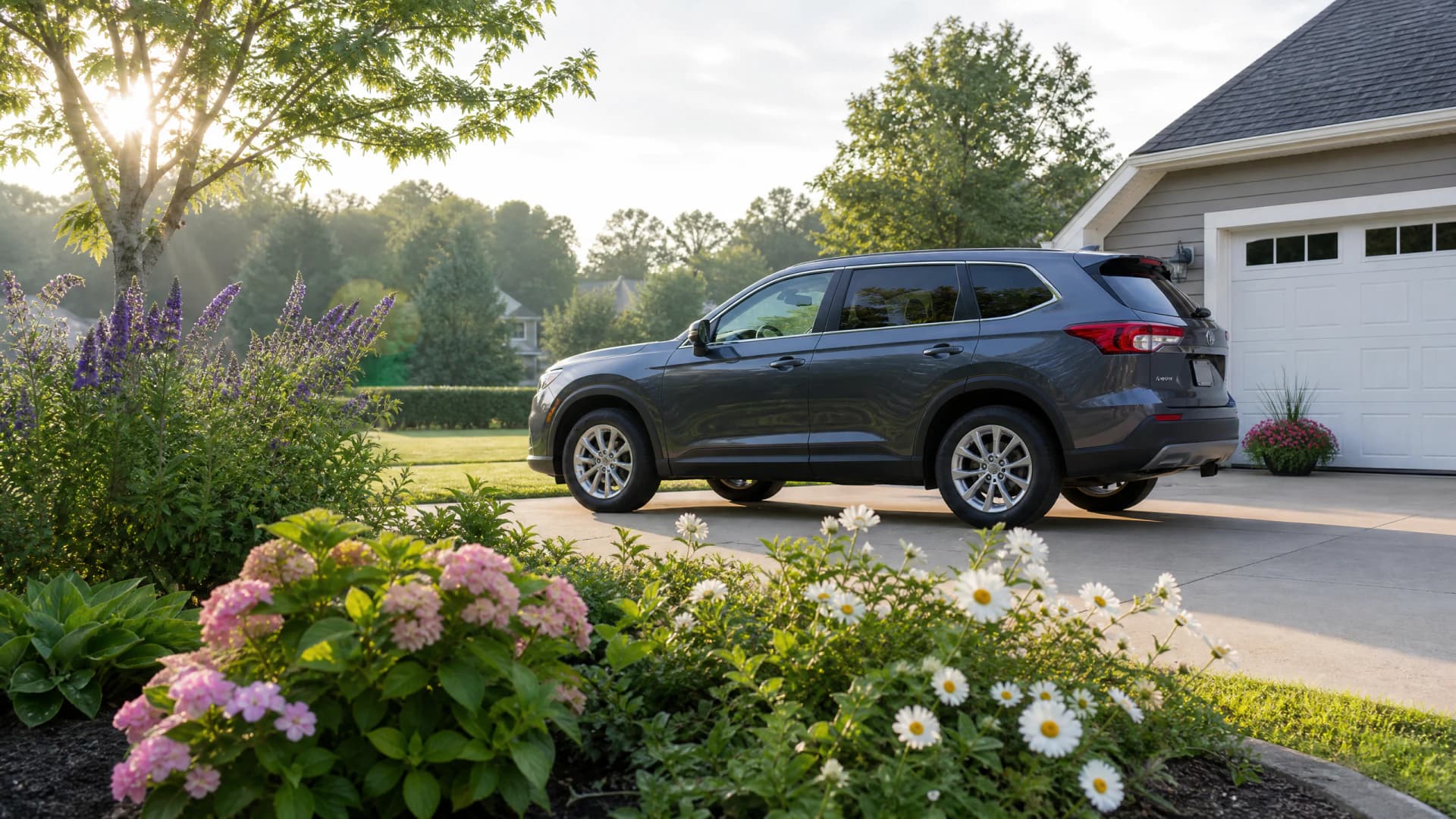
If you're no longer commuting to work, you're likely driving 30–50% fewer miles than you did five years ago. Most carriers offer low-mileage discounts starting around 7,500 miles per year, with deeper discounts available for drivers logging fewer than 5,000 miles annually. The discount typically ranges from 5–20% depending on your mileage tier and carrier.
Pay-per-mile insurance is a newer option that charges a low monthly base rate plus a per-mile rate for actual miles driven. For drivers consistently under 5,000 miles per year, this can reduce premiums by 30–40% compared to traditional policies. Metromile, Nationwide SmartMiles, and Allstate Milewise are the most widely available programs as of 2024. Your odometer reading is verified either through a plug-in device or smartphone app.
The qualification process is simple: you provide an odometer photo or reading, and the carrier confirms your annual mileage. Some programs require periodic verification; others use telematics devices that report mileage automatically. If you drove 12,000 miles annually during your working years and now drive 4,000 miles in retirement, you're paying for risk exposure you no longer represent. Switching to a mileage-based program recovers that cost immediately.
Telematics Programs: What They Actually Monitor and Whether They're Worth It
Telematics programs — sometimes called usage-based insurance — monitor driving behaviors including hard braking, rapid acceleration, nighttime driving, and total mileage. Participation typically begins with a 10–15% enrollment discount, followed by a personalized rate adjustment based on your monitored driving data over 90–180 days. Safe drivers can qualify for total discounts of 20–30%.
Many senior drivers hesitate because they assume telematics programs penalize age-related driving patterns. The opposite is often true. If you drive during daylight hours, avoid rush-hour traffic, and maintain smooth braking and acceleration, your driving profile scores well in telematics models. The programs penalize behaviors that correlate with accidents — aggressive braking, speeding, late-night driving — not age.
Progressive Snapshot, State Farm Drive Safe & Save, and Geico DriveEasy are the most established programs. All three use smartphone apps, so no plug-in device is required. Your data is monitored for a set period, then your discount is locked in for the policy term. If you're concerned about privacy, ask whether the program shares data beyond rate calculation — most major carriers limit telematics data to internal underwriting and don't sell it to third parties.

See What Drivers Over 65 Are Paying Now
See If You Qualify for Discounts
When to Drop Comprehensive and Collision on a Paid-Off Vehicle
The standard guidance is to consider dropping comprehensive and collision coverage when the annual cost exceeds 10% of your vehicle's current value. For a vehicle worth $6,000, that threshold is $600 per year in combined comprehensive and collision premiums. If you're paying $700 annually for both coverages, you're approaching the point where self-insuring makes financial sense.
This calculation changes if you don't have liquid savings to replace the vehicle out-of-pocket in the event of a total loss. Comprehensive coverage typically costs $150–$300 per year and covers non-collision events including theft, hail, fire, and vandalism. Collision coverage is more expensive — often $400–$800 annually depending on your vehicle and deductible — and covers damage from accidents regardless of fault.
Before dropping either coverage, confirm you're comfortable with the replacement risk. If your vehicle is worth $8,000 and you have $15,000 in accessible savings, dropping collision while keeping comprehensive is often a balanced approach. You're protected against unpredictable events like theft or weather damage, but you're not paying $600 annually to insure against accident damage on an aging asset. Many senior drivers keep comprehensive coverage even after dropping collision for exactly this reason.

Bundling, Group Discounts, and Affinity Programs You May Already Qualify For
Multi-policy bundling — typically home and auto — remains one of the largest available discounts, ranging from 15–25% on your auto premium. If you're insuring your home and vehicles separately, combining them with one carrier usually delivers immediate savings. Even renters insurance, which often costs $150–$250 annually, can trigger a bundling discount that exceeds the cost of the renters policy itself.
Many seniors qualify for affinity or group discounts through memberships they already hold. AARP members receive discounts with The Hartford, typically 5–10% beyond other available reductions. AAA membership qualifies you for discounts with several carriers, and many employers offer retiree group rates through carriers like MetLife or Traveler's. Alumni associations, professional organizations, and fraternal groups frequently negotiate member rates.
These discounts stack with mature driver and low-mileage discounts in most cases. A driver who completes a mature driver course (10%), enrolls in a low-mileage program (15%), and bundles home and auto (20%) can reduce premiums by 35–45% compared to their baseline rate. That's the difference between paying $1,600 annually and $900 for the same coverage. The key is that none of these discounts apply unless you ask for them and provide documentation.
State-Specific Senior Programs and Mandated Discounts
Several states mandate that insurers offer mature driver course discounts, but the discount amount and qualification age vary significantly. Florida requires insurers to offer a minimum 10% discount to drivers who complete an approved mature driver course. New York mandates a 10% discount for three years following course completion. Illinois, California, and Pennsylvania have similar requirements, though the minimum discount percentages differ.
Some states also regulate how carriers can use age as a rating factor. Hawaii and Massachusetts prohibit insurers from increasing rates based solely on age, though they can still adjust rates based on claims history and other risk factors. Michigan and Pennsylvania limit the weight carriers can assign to age in their pricing models. If you live in one of these states, age-based increases should be smaller than the national average.
To confirm what programs are available in your state, check your state Department of Insurance website or contact them directly. Most state DOI offices maintain consumer guides specifically for senior drivers, including lists of approved mature driver course providers, summaries of mandated discounts, and complaint data for carriers operating in the state. If you've noticed a significant rate increase at age 70 or 75, your state's senior driver resources page is the first place to verify whether your carrier applied all discounts you're entitled to receive. For state-specific mandated discount details, see your state's senior insurance page.
Frequently Asked Questions
Do car insurance companies automatically apply senior discounts at age 65 or 70?
No, most senior discounts require you to request them and provide documentation. Mature driver course discounts, low-mileage programs, and affinity discounts are rarely applied automatically at renewal, even when you qualify. You must complete required courses, submit certificates, and explicitly ask your carrier to apply the discount.
How much can a mature driver course reduce my car insurance premium?
Mature driver course discounts typically range from 5–15% depending on your state and carrier, and they remain in effect for three years before recertification is required. For a driver paying $1,400 annually, a 10% discount saves $420 over three years. States including Florida and New York mandate minimum discount amounts.
Should I drop full coverage on my paid-off car at age 70?
Consider dropping collision and comprehensive when their combined annual cost exceeds 10% of your vehicle's current value. For a car worth $6,000, if you're paying more than $600 per year for both coverages, self-insuring may make financial sense — provided you have savings to replace the vehicle if totaled. Many seniors keep comprehensive (theft, weather, vandalism coverage) while dropping collision.
Are telematics programs fair for senior drivers who drive carefully?
Yes, telematics programs typically reward the driving patterns common among careful senior drivers: daytime driving, smooth braking, lower mileage, and avoiding rush-hour traffic. Safe drivers often qualify for 20–30% total discounts. The programs penalize risky behaviors like hard braking and speeding, not age itself.
Why did my car insurance go up at 70 even though I have no accidents or tickets?
Carriers use age as an actuarial risk factor independent of your individual driving record. Most insurers increase rates 8–15% between ages 70 and 75 based on statistical claim patterns for the age bracket, even for drivers with clean records. Your clean record prevents additional surcharges but doesn't eliminate age-based rate adjustments in most states.
Related Articles

Convert Joint Auto Insurance After Spouse Dies | Wisconsin
4/29/2026

Oregon License Renewal at 85: Testing & Insurance Impact
4/29/2026

MO License Renewal at 75: Tests, Restrictions & Rates
4/29/2026
Surviving Spouse Auto Insurance in Colorado: Transfer Rules
4/29/2026

Car Insurance After 70: Lower Rates Despite Increases
4/1/2026

Spouse Died in Hawaii: Convert Joint Auto Policy
4/29/2026