Is a Bigger Car Safer for Older Drivers
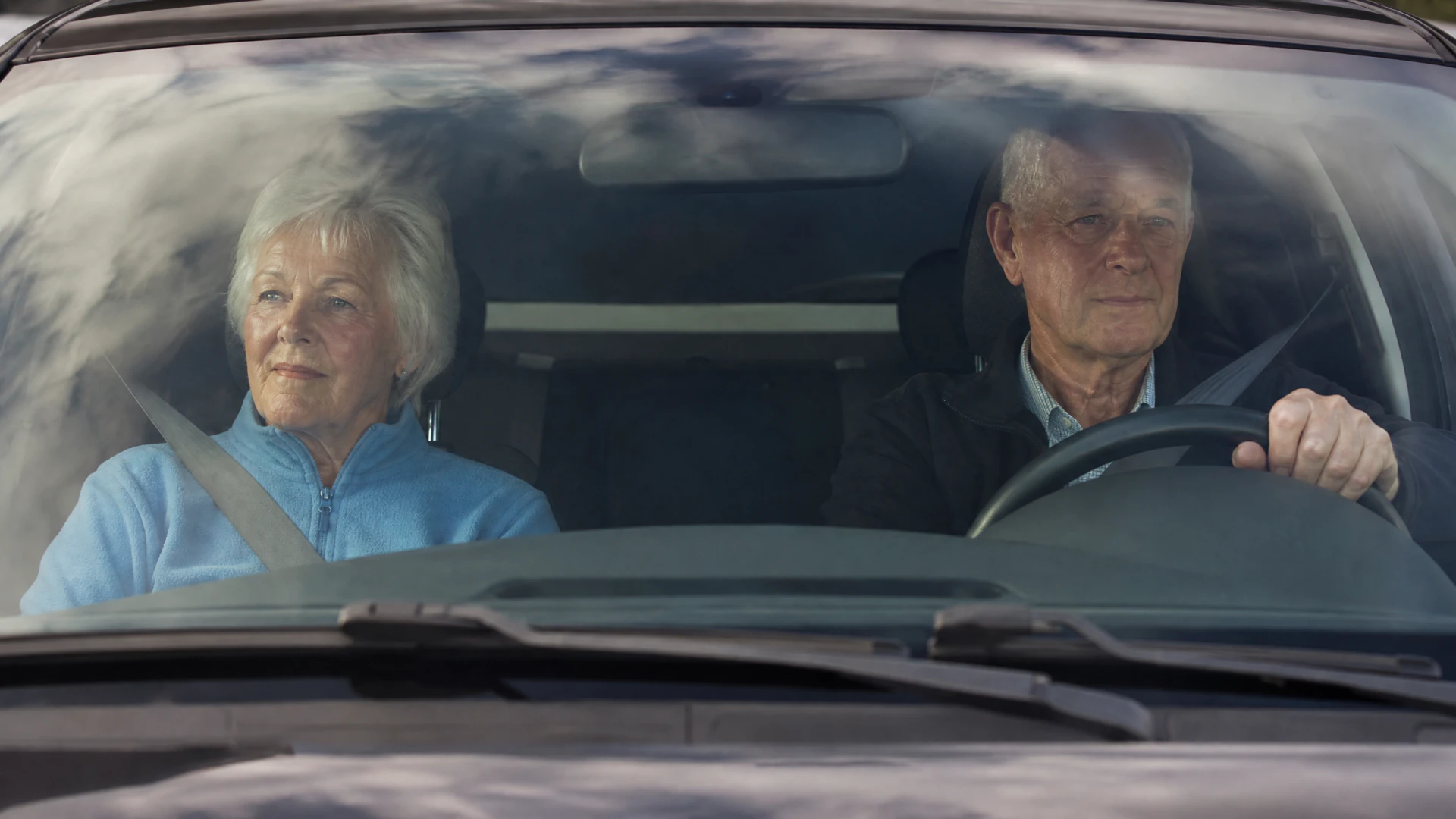
A bigger car can protect you better in a crash, but a smaller, newer one may help you avoid the crash in the first place.
Free to compare
It depends on which kind of safety matters more to you
A larger, heavier vehicle generally fares better in a crash than a smaller one. That's basic physics, and it hasn't changed. If crash protection is your main worry, size still counts for something.
But size isn't the only thing that keeps an older driver safe. Visibility, ease of handling, and driver assistance features often matter more day to day than how much metal is around you. A smaller SUV with a good field of view and automatic braking can suit an older driver better than a large sedan with blind spots and heavy, hard-to-judge dimensions.
What you can actually see out of the car
As eyesight and neck mobility change with age, visibility becomes one of the biggest safety factors, bigger in practical terms than vehicle weight. A tall hood, thick pillars, or a low seating position can hide pedestrians, cyclists, and other cars at exactly the moments when a split second matters.
Many larger vehicles, especially trucks and full-size SUVs, have worse forward and side visibility than smaller crossovers or sedans built with a higher seating position and larger windows. Sitting in the vehicle and checking your sightlines in person tells you more than its size on paper.
A backup camera, blind spot warning, and cross-traffic alert can offset a lot of the visibility a bigger vehicle takes away. If you're comparing vehicles, ask about these features specifically rather than assuming a bigger car is automatically safer to see out of.
Parking and maneuvering also factor in here. A vehicle you can see out of and control confidently is one you're less likely to misjudge in a tight spot, a parking garage, or a busy intersection.
How the car handles the mistakes drivers make as they age
Reaction time and the ability to judge distance and speed tend to decline with age, and this is where a vehicle's handling and driver assistance technology matter more than raw size. A big, heavy vehicle takes longer to stop and is harder to maneuver out of a sudden situation than one responsive to small, quick inputs.
Newer safety technology, like automatic emergency braking, lane keeping assistance, and adaptive cruise control, is built to compensate for exactly the kind of lapses that become more common with age. These features are often more valuable than the vehicle's size or weight class.
Ease of entry and exit matters too. A vehicle that's hard to get in and out of can lead to falls or awkward movements that have nothing to do with driving but everything to do with safety. Consider how the vehicle fits your body and your daily routine, not just how it performs on paper.
Your insurer may price a vehicle based on its safety ratings and claims history rather than its size alone. Checking how a specific model is rated, not just its size category, gives you a better sense of how your insurer sees it.
Questions people ask about this
Do SUVs cost more to insure than sedans for older drivers?
It depends on the specific SUV and sedan being compared, not on the vehicle type alone. Insurers price based on a vehicle's repair costs, safety ratings, and claims history. Ask for quotes on the specific models you're considering rather than assuming one category costs more than another.
What car features matter most for drivers over 65?
Good visibility, easy-to-reach controls, and driver assistance features like automatic emergency braking and blind spot warning tend to matter most. These address the common challenges of aging, like reduced reaction time and difficulty judging distance, more directly than a vehicle's overall size.
Does a car's safety rating affect my insurance rate?
Yes, safety ratings are one of the factors insurers consider, since they relate to the likelihood and cost of a claim. A vehicle with strong crash test results and modern safety features can affect your rate differently than one without them. Ask your insurer how they weigh this for the specific model you're considering.
Is it safer for an older driver to downsize to a smaller car?
It depends on which car and which features you'd be trading. A smaller car with good visibility and modern safety technology can suit an older driver well, but a smaller car that's harder to see out of or lacks driver assistance features may not be an improvement. Compare the specific vehicles rather than deciding by size alone.
Should I take a defensive driving course before buying a new car?
A course won't change which car suits you best, but it can lower your premium and sharpen skills that matter regardless of what you drive. Ask your insurer whether they offer a discount for completing one and what they need from you to apply it.
See how your choice of vehicle changes what you'd pay before you decide.
Make a short list of two or three vehicles you're considering, and sit in each one to check sightlines, seat height, and how easy the controls are to reach. Look up the safety ratings and available driver assistance features for each specific model, not just its size category. Call your insurer or get quotes on each one, since the price difference between models can be larger than the difference between vehicle sizes. If you're on the fence, ask your insurer how they rate the vehicles you're comparing and what features they look for. Bring your current policy details along so you can compare like for like.”