What Is a Good Car for an Older Driver
The best car for an older driver is one that's easy to see out of, easy to park, and simple to operate without juggling menus or straining to reach controls.
Free to compare
Look for visibility, simple controls, and a comfortable seat position
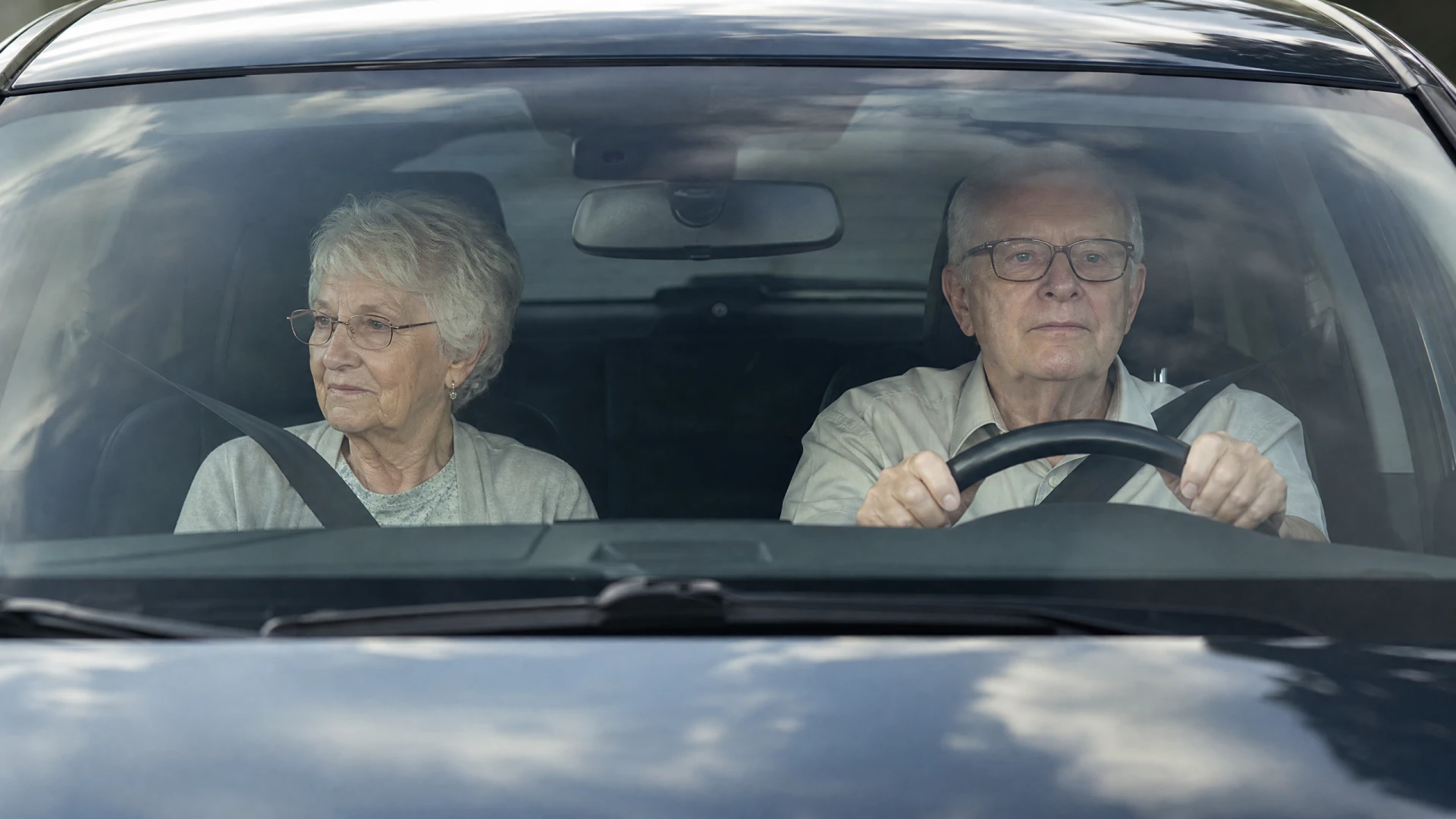
A good car for an older driver is one that makes seeing, steering, and stopping as easy as possible. That usually means a higher seat position with a clear view over the hood, large mirrors, and a dashboard that doesn't bury basic functions like climate and audio inside touchscreen menus.
It also means a car that's easy to get in and out of, with doors that open wide and a seat height that doesn't require climbing down or hauling yourself up. None of this depends on the driver's age by itself. It depends on eyesight, flexibility, reaction time, and how comfortable they are with new technology, which vary a lot from one person to the next.
Physical ease matters more than the badge on the car
The things that make a car easier to drive as you get older aren't about brand or size. They're about how the car is built. A seat that sits higher off the ground means less bending to get in and out. A wide windshield and low beltline mean less twisting to check blind spots.
Power-adjustable seats and mirrors let a driver set things up once and get back to that exact position every time, which matters if more than one person drives the car or if a driver's comfort needs change over time.
Weight matters too. A lighter car with a tighter turning radius is easier to park and easier to maneuver in a lot or a tight driveway. A heavier SUV with poor visibility can be harder to place on the road even if it feels safer.
Before buying, it helps to sit in the car, adjust everything, and take it around a few tight turns and into a parking space. A test drive tells you more than a spec sheet does.
Simple technology beats more technology
Newer cars come loaded with safety features like automatic emergency braking, blind spot warnings, and lane departure alerts. These can help any driver, including older ones, by catching things a quick glance might miss.
But the same car can also come with a touchscreen that controls everything from the radio to the seat heaters, which can be frustrating to learn and distracting to use while driving. A car that puts frequently used controls on physical buttons or dials is often easier to live with than one that buries them in a menu.
It's worth asking a dealer to walk through exactly how the safety features work and whether they can be turned off if they create more false alarms than they're worth. Some drivers find lane departure warnings helpful. Others find them irritating enough to ignore the car's other warnings too.
When comparing cars, it helps to write down which features the driver will actually use regularly, rather than which ones sound impressive on a window sticker.
Questions people ask about this
Does the type of car affect car insurance rates for older drivers?
Yes, the car itself is one of the factors an insurer weighs alongside the driver's record and location. Cars with better safety ratings and lower repair costs tend to cost less to insure. It's worth asking an insurer how a specific make and model affects the quote before buying.
Are SUVs safer than sedans for older drivers?
Not automatically. SUVs sit higher, which can improve visibility, but they can also be harder to park and maneuver, and some have blind spots a lower sedan wouldn't. The safest choice depends more on the specific vehicle's visibility, handling, and safety features than on whether it's labeled an SUV or a sedan.
What car features help with declining eyesight while driving?
Larger mirrors, a clear and simple dashboard display, and good headlights all help. Some drivers also benefit from adaptive headlights that adjust to curves in the road and from backup cameras that reduce how much turning and twisting is needed to park. A vision test with an eye doctor can also point to specific features worth prioritizing.
Should an older driver choose a car with fewer safety features to keep things simple?
Not necessarily. Features like automatic emergency braking and backup cameras are generally straightforward to use and can reduce the chance of an accident. The features worth questioning are the ones that require navigating menus or learning new habits, not the ones that work automatically in the background.
Do insurers offer discounts for cars with advanced safety features?
Some do, since these features can reduce the chance of a claim. Whether a specific car qualifies and how much it affects the premium depends on the insurer, so it's worth asking directly when getting a quote.
Once you know what kind of car fits, see what it would actually cost to insure.
Make a short list of two or three cars that fit, based on seat height, visibility, and how simple the controls feel in person. Sit in each one, adjust the seat and mirrors, and drive it around a parking lot before deciding anything. Ask the dealer to explain any safety features so you know what they do and whether they can be adjusted. Have your current policy or renewal notice on hand so you can compare what a new car would cost to insure against what you're paying now. If eyesight or reaction time has changed recently, a visit to an eye doctor before you shop can help narrow down what actually matters for your driving.