
Is Car Insurance Different for Part-Time Residents
Your insurer cares about where your car is parked most nights, not how you think of yourself.
Free to compare
It depends on where your car actually lives, not where you spend your time
Insurance follows the vehicle's primary location, not a label like snowbird or part-time resident. If your car spends most of the year in one state, that state's rules and that state's rates usually apply, even if you own a home somewhere else and spend months there every year.
This matters because rates, required coverage, and even what counts as a legal address vary by state. Someone splitting time between two states can end up with a policy that doesn't match how they actually live, and that mismatch can cause problems later if they ever need to file a claim.
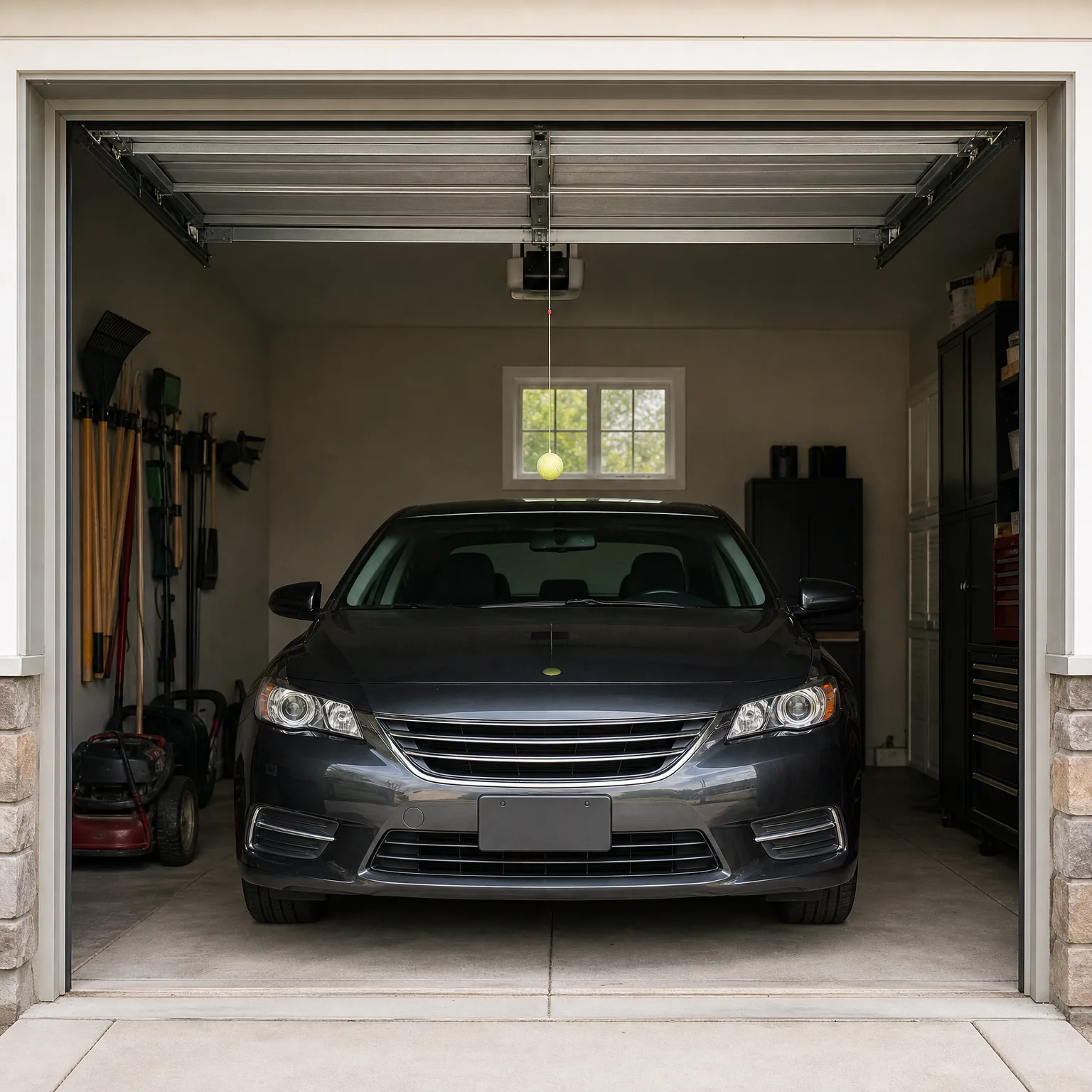
Where your car is garaged most of the year
Insurers ask for a garaging address because that's what they use to set your rate and decide which state's minimum coverage applies. If you spend part of the year in a second home and bring your car with you, the insurer needs to know which address is correct, and in some cases you may need to tell them about the second location even if you're not changing your primary address.
Not telling your insurer you spend extended time in another state can create a real problem. If you're in an accident while your car is garaged somewhere different from what's on file, the insurer may ask why, and an answer that sounds like you misrepresented your address can slow down or complicate a claim.
The fix is simple even if it feels like extra paperwork. Call your insurer and tell them exactly how you split your time. Ask whether your current policy covers you fully in both locations, or whether you need a separate policy for the second state.
Some drivers find it's cleaner to insure the car in the state where they spend more of the year, regardless of which state they consider home for other purposes like voting or taxes. Ask your insurer which approach fits your situation.
Whether the two states have different rules for seasonal drivers
Every state sets its own minimum coverage requirements, and some have specific provisions for vehicles registered but not driven year-round. If you keep a car at a second home and only drive it a few months a year, ask whether your state offers a reduced or seasonal coverage option, since not driving a car doesn't mean it's risk-free to insure at a full rate if a cheaper option exists.
Registration and insurance don't always move together automatically. A car registered in one state generally needs to carry at least that state's minimum insurance, even if you insure it through a company based in another state. If you register your car in your second state, confirm that your policy actually meets that state's specific requirements, not just the requirements of your primary state.
This is also where discounts can get missed or misapplied. A multi-car or multi-policy discount earned in one state doesn't always transfer cleanly if you're also carrying a policy or registration in another. Ask your insurer directly whether splitting your time affects any discount you're currently getting.
Questions people ask about this
Can I have car insurance in two states at once?
Generally you insure one car under one policy tied to one primary state, but that policy can sometimes extend coverage when you're temporarily in another state. If you own vehicles in two states, you may need two separate policies. Ask your insurer how they handle a car that's regularly driven or garaged in a second location.
Do I need to change my car insurance if I move for part of the year?
You don't need to switch insurers just because you're temporarily in another state, but you should tell your current insurer about the arrangement. They'll let you know if anything about your coverage needs to change based on where the car spends its time.
Which state's insurance laws apply if I split time between two states?
Usually the state where your car is primarily garaged and registered. If you're genuinely splitting time evenly, this can get less clear, so ask your insurer how they determine your primary state when it isn't obvious.
Will my insurance rate change if I spend winters in another state?
It can, because rates are based partly on where you drive and park most often. Moving your car's primary location, even seasonally, is worth mentioning to your insurer since it may shift your rate up or down depending on the new area.
Do I need to register my car in both states if I'm a part-time resident?
Registration rules are set by each state and vary on how long you can keep a car registered elsewhere before you're required to register it locally. Check with the DMV in your second state directly, since this is separate from your insurance and has its own rules.
See how splitting your time between two states could affect what you pay.
Call your current insurer this week and tell them exactly how you divide your time between states, including where your car is parked most months. Ask them directly whether your policy meets the requirements in both states or only one. If you register a vehicle in your second state, check that state's DMV site for its specific insurance minimums before you do. Have your registration and current policy declarations page in hand when you call, since the agent will likely ask for your garaging address and how many months a year the car is there. If your insurer can't cover you properly in both locations, ask what a separate policy for the second state would look like before you commit to one.