Is Car Insurance Still Valid After the Policyholder Dies
The policy doesn't end automatically, but it can stop protecting the car sooner than the family expects.
Free to compare
The policy stays active until someone cancels it or it lapses
When a policyholder dies, the insurance company doesn't know right away and doesn't cancel the policy on its own. Coverage continues as written until the premium goes unpaid, the policy term ends, or someone tells the insurer what happened.
What changes is who can rely on that coverage. The policy was written around the person who died, their driving record, their name on the title. If someone else keeps driving the car, whether that coverage still applies depends on who they are, what the policy says about other drivers, and whether the insurer has been told about the death.
Who is driving the car now
If the policyholder lived with a spouse or family member who was already listed on the policy as a driver, that person is usually still covered for the time being. The insurer wrote the policy knowing that driver existed.
If the person now driving the car wasn't on the policy at all, a claim can get complicated. The insurer may ask who was driving, why, and whether that person should have been listed. This is the kind of question worth asking the insurer directly rather than guessing about.
Either way, the car still needs to be insured by someone with a legal interest in it. That's usually the estate, the surviving spouse, or whoever inherits the vehicle, and that depends on how the state handles the estate and the title.
What the estate or family needs to do
The insurer needs to be told about the death. This isn't just paperwork. Until they know, any claim that comes in gets handled as if the policyholder were still alive and still the one responsible for the car, which can create problems if the facts don't match.
Someone, usually the executor or the next of kin, has to decide whether to keep the policy running, change the named insured, or cancel it. If the car is going to sit unused for a while, that's also worth mentioning to the insurer, since an unused car may need a different kind of coverage than one being driven daily.
If premiums were paid automatically from a bank account, check whether that account stays open and funded. A lapsed policy because a payment bounced is a separate problem from the death itself, and it's an easy one to miss during an already difficult time.
Questions people ask about this
Can a family member drive the deceased's car before the insurance is changed?
It depends on whether they were already listed on the policy and what the policy says about who is covered to drive the car. If they weren't listed, ask the insurer directly before relying on that coverage for anything beyond a short errand.
Does car insurance pay out if the policyholder dies in a crash?
Liability and property damage coverage from that policy would still apply to the crash that caused the death, since the policy was active at the time. Any life insurance or accidental death benefit is separate and depends on whether the policyholder had that kind of coverage at all.
Who is responsible for the car insurance bill after someone dies?
Usually the estate, until the car is sold, transferred, or the policy is canceled. The executor or whoever is handling the estate should check what's owed and whether it makes sense to keep paying for coverage on a car that isn't being driven.
What happens to a no claims discount when the policyholder dies?
That depends on the insurer and the state, since a no claims or safe driver discount is usually tied to the person, not the car. If a surviving spouse wants to take over the policy, ask the insurer whether that discount can carry over or whether it starts over under a new policy.
Do I need to tell the DMV as well as the insurance company?
In most states, yes, because the title and registration need to be updated separately from the insurance policy. Check with the state's motor vehicle agency for what's required to transfer or cancel the registration.
If you're sorting out a policy after a death, it helps to see what coverage would cost under a new or updated policy before deciding what to do with the old one.
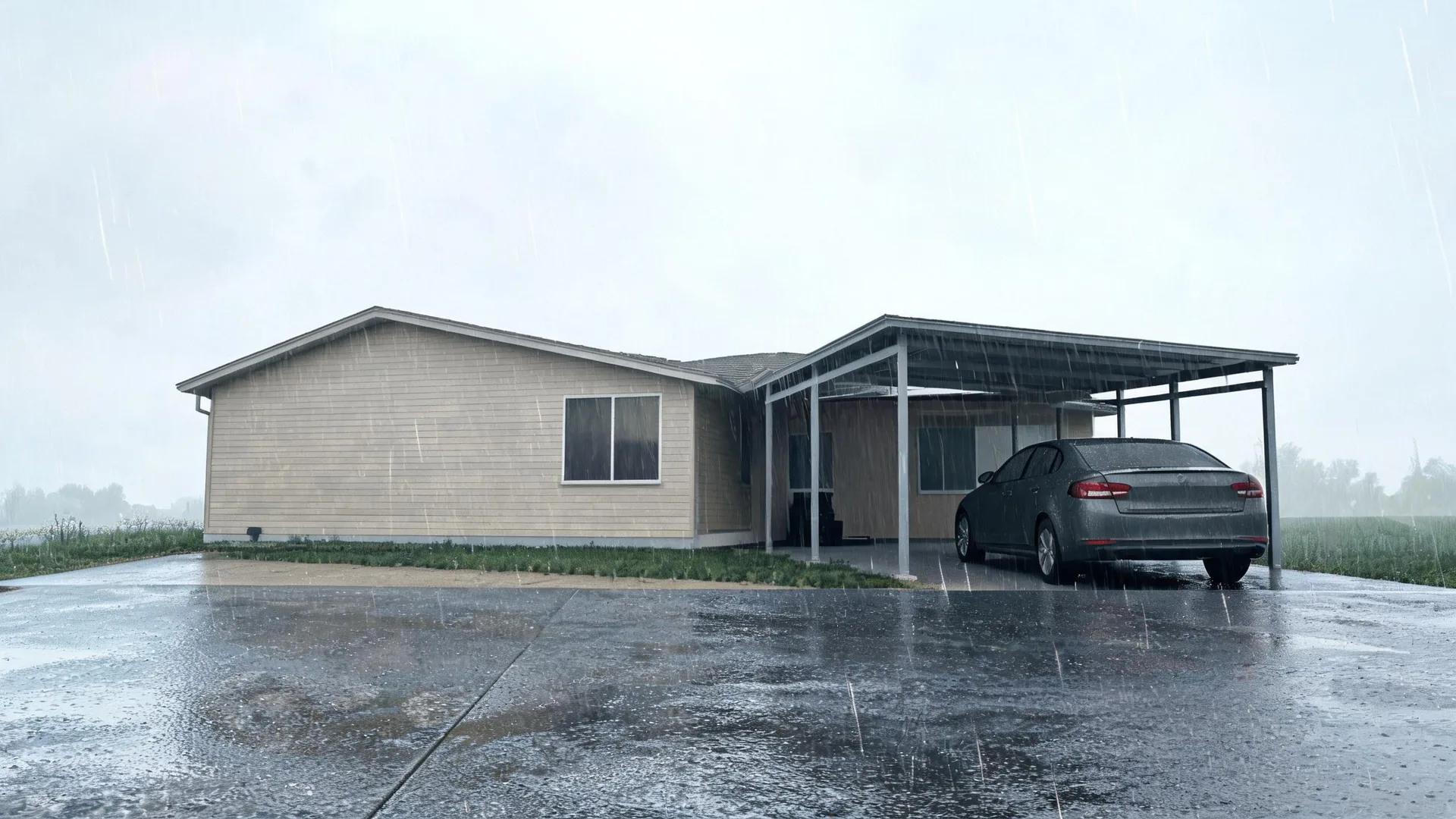
Call the insurer and tell them what happened, even before every other detail of the estate is settled. Ask them directly whether the current policy still covers anyone driving the car, and what they need from you to keep it active or to cancel it. Gather the policy number, the death certificate, and the title to the car, since most insurers and the DMV will ask for these. If the car will sit unused for a while, ask the insurer about adjusting the coverage instead of canceling it outright. If a family member plans to keep driving the car, ask what it takes to add them to the policy or start a new one in their name. Check the state's DMV requirements for transferring title and registration, since insurance and registration are handled separately.