What Happens to Car Insurance When the Owner Dies
The policy doesn't end automatically when the owner dies, but someone has to notify the insurer and settle who drives the car next.
Free to compare
The policy stays active until someone cancels it or it lapses
When a policyholder dies, their car insurance doesn't cancel itself. The policy usually stays in effect until the premium is due again or until the estate, a family member, or the insurer takes action. That means there can be a window where the car is technically still insured, even though the person named on the policy is gone.
What happens next depends on who is named on the policy, whether anyone else was already listed as a driver, and what the insurer requires to make a change. The executor of the estate or a surviving spouse is usually the one who needs to contact the insurer, not the DMV.

Who else is on the policy matters most
If the policy covered more than one driver, like a spouse or a family member who lived in the same household, that person can often keep the coverage going. The insurer will usually need to move the policy into the surviving driver's name, since the original policyholder can no longer be the one it's written to.
If the deceased was the only person on the policy, the coverage doesn't automatically transfer to whoever inherits the car. An insurer generally won't let someone drive on a policy that isn't in their name, even temporarily, so the family needs to sort this out before anyone else gets behind the wheel.
This is also the point where it's worth checking whether the car itself needs to be retitled. Many states tie the insurance requirement to who holds the title, so an insurer may ask for proof of that change before adding a new policyholder.
What the estate and the insurer each need to know
The executor or next of kin typically needs to tell the insurance company directly, since the insurer won't find out on its own. This usually means a copy of the death certificate and some explanation of who will be driving the car going forward, if anyone.
If no one is going to drive the car while the estate is settled, it still needs to stay insured as long as it's titled, parked, or stored somewhere, since lapses in coverage can cause problems later and some states require continuous coverage on a registered vehicle. A policy can sometimes be adjusted to reflect that the car isn't being driven, which may be worth asking about.
If the car is going to be sold or transferred to an heir, the new owner will need their own policy before they drive it, not a continuation of the deceased's. What the insurer requires to make these changes varies by company, so this is a case where calling them directly and asking what they need is the most reliable path.
Questions people ask about this
Does car insurance automatically cancel when someone dies?
No, it doesn't cancel on its own. The policy stays in force until the insurer is notified or the premium goes unpaid. Someone, usually the executor or a family member, has to take the step of telling the company.
Can I drive my deceased parent's car on their insurance policy?
Generally not, unless you were already listed as a driver on that policy. Insurers write coverage to specific named people, so driving the car as a new, unlisted driver after the owner's death can leave you without coverage if something happens. Check with the insurer about adding yourself or starting a new policy.
What happens to a car insurance refund after the policyholder dies?
Any unused premium may be refundable to the estate, but this depends on the insurer's own policies and how the premium was paid. The executor usually has to request this directly and may need to provide estate paperwork.
Do I need to change the insurance before or after transferring the car title?
This depends on the state, since some tie registration and insurance requirements together closely. It's worth asking the insurer and the state's motor vehicle agency which order they expect, so the car isn't left uninsured or unregistered at any point.
What happens if the car insurance lapses while the estate is being settled?
A lapse can cause problems even if no one is driving the car, since some states require continuous coverage on any registered vehicle. It can also make it harder to get a new policy later at a reasonable rate. Ask the insurer whether a reduced or storage-only policy is available during this period.
If you're taking over a car after a death in the family, it helps to compare quotes before you commit to a new policy.
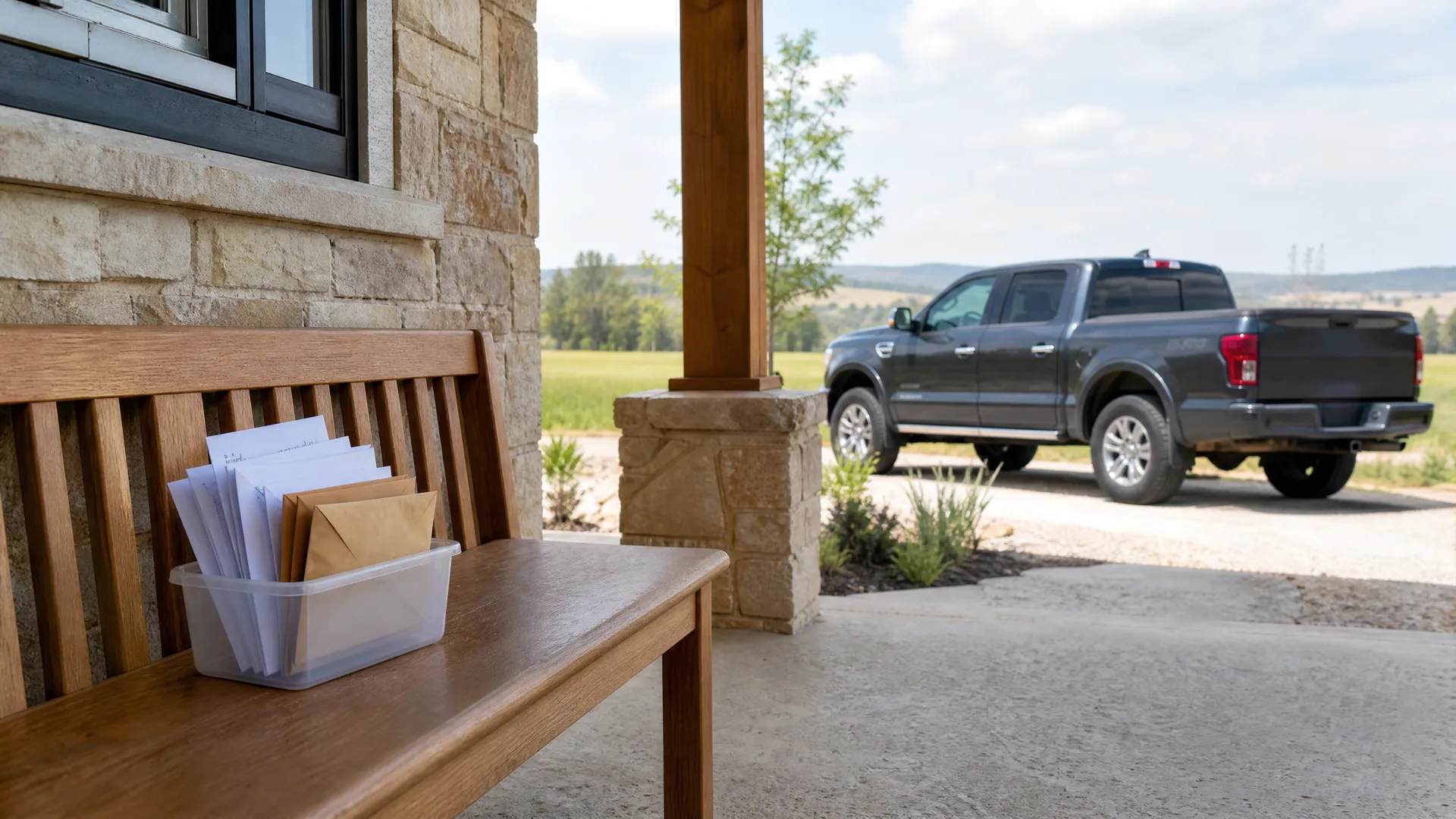
Contact the insurer directly and let them know about the death, since they won't find out on their own. Have a copy of the death certificate ready, along with information about who, if anyone, will be driving the car going forward. If you're inheriting the car, ask your state's motor vehicle agency what's needed to retitle it, since that may affect what the insurer requires. If the car will sit unused for a while, ask the insurer whether a reduced coverage option exists rather than letting the policy lapse. If you're the one taking over as the primary driver, start comparing quotes now so you're not stuck accepting the first offer out of urgency.