Is It Safe to Drive on the Highway After 80
Age alone doesn't make highway driving unsafe. What matters is this driver's vision, reaction time, and comfort at highway speed.
Free to compare
Yes, for most drivers who still meet the basics
Highway driving at 80 is safe for someone whose eyesight, hearing, and reaction time still hold up, and who feels steady merging and keeping pace with traffic. There's no rule that says a certain age ends safe highway driving. The question is whether this particular driver still has what highway driving demands.
That depends on things that vary a lot from one person to the next. Some drivers in their eighties and nineties handle interstate speeds without trouble. Others find city streets more manageable than merging lanes and fast traffic. A vision test, a conversation with a doctor, or even a drive with a family member in the passenger seat can tell you more than any birthday can.
What actually changes with age
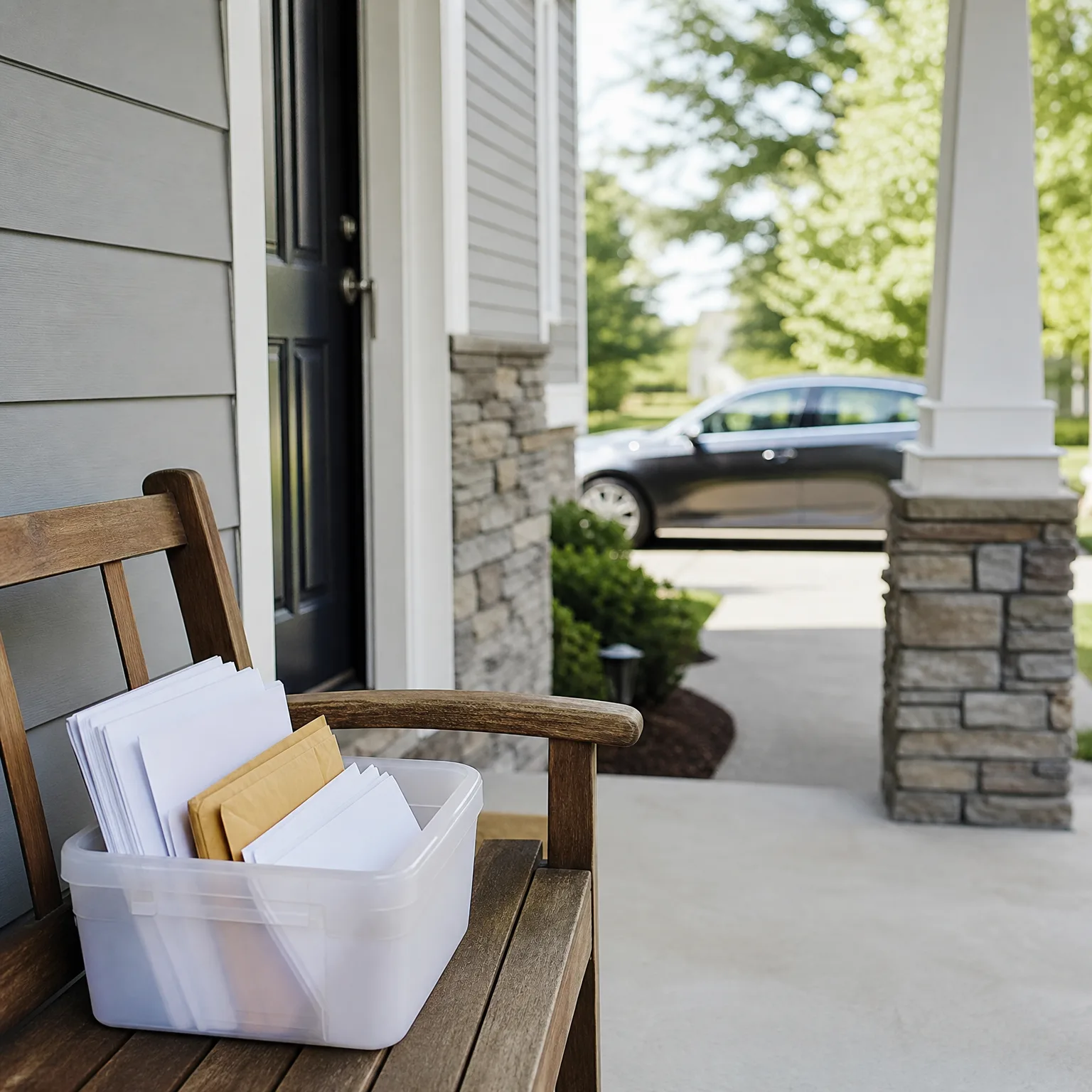
Reaction time slows gradually for most people as they get older, and highway driving leaves less room for a slow reaction than a quiet side street does. A car merging ahead, a sudden brake light, a lane change nearby all call for a prompt service at highway speed.
Vision and hearing also tend to change gradually rather than all at once, which is part of why they're easy to miss in daily life. Glare at dusk, trouble reading signs at a distance, or not hearing a horn are all worth noticing rather than dismissing.
None of this means highway driving becomes unsafe automatically. It means paying attention to specific changes rather than treating age itself as the issue. A driver who notices these changes in themselves and adjusts, by avoiding night driving or sticking to familiar routes, is often still a safe highway driver.
If you're helping a parent think this through, watching them drive on a highway you both know well will tell you more than asking how they feel about it.

What your state and your insurer look at
Some states require more frequent license renewals or vision tests once a driver reaches a certain age, and the rules differ from state to state. Check with your state's DMV to find out what applies to you and when your next renewal or test is due.
Your insurer looks at your driving record, not your birthday, when it sets your premium. A clean record with no recent claims or tickets usually matters more to an insurer than age alone.
If your premium went up at renewal, ask your insurer directly what changed. It may be your record, where you live, or something else entirely. Some insurers also offer a discount for completing a defensive driving or mature driver course, but you usually have to send them the certificate yourself. Ask if that applies to your policy.
Questions people ask about this
Should I stop driving on the highway if my reflexes have slowed down?
Not necessarily, but it's worth being honest with yourself about what you've noticed. If merging feels harder or you've had a few close calls, driving less on the highway or avoiding peak traffic times can help without giving up highway driving entirely. Talk to your doctor if you're unsure whether what you're noticing is normal or something to address.
Can a doctor tell me if I'm safe to keep driving?
A doctor can evaluate your vision, reflexes, and any conditions that might affect driving, and many are willing to discuss this directly if you ask. Some states also require a doctor's assessment as part of license renewal past a certain age. Ask your doctor at your next visit if you have concerns.
What is a mature driver course and does it help?
It's a refresher course, often available online or in person, that covers current traffic laws and defensive driving techniques. Taking one won't change whether you're safe on the highway by itself, but it can sharpen habits that have gotten rusty. Check with your insurer separately about whether completing one qualifies you for a discount.
Will my insurance drop me if I'm an older driver?
An insurer generally can't drop you from a policy simply for reaching a certain age. Insurers base decisions on your driving record and claims history. If you're worried about a future renewal, ask your insurer what specifically affects your eligibility and your premium.
How do I tell my parent it's time to stop highway driving?
Start by asking what they've noticed themselves rather than leading with your own worries. A ride along on a familiar highway route can show you both how they actually handle it. If the conversation is difficult, a doctor or the DMV's vision test can sometimes serve as a neutral third opinion.
See how your driving record and your state affect what you'd pay before you decide anything.
Ask your doctor or optometrist for a straightforward check of your vision and reaction time, especially if you've noticed any changes recently. Check your state's DMV website for the renewal and testing rules that apply at your age, since they vary by state. If your premium changed at your last renewal, call your insurer and ask exactly why, and whether a defensive driving course would lower it. If you're helping a parent, ride along on a highway route you both know well before drawing any conclusions. Bring the renewal notice or your current policy details when you compare quotes, so you can see clearly what any changes would mean for you.