Why Some Older Drivers Avoid Highways
Highway driving asks for faster decisions and quicker merges, and that combination is often the first thing to feel harder with age.
Free to compare
It usually comes down to speed and merging, not the driving itself
Older drivers who avoid highways aren't usually avoiding driving. They're avoiding the specific demands of highway driving: merging at speed, reading traffic several cars ahead, and making decisions in a few seconds rather than a few moments. Those are the skills that tend to change first, even when someone still drives well everywhere else.
This isn't about one driver being worse than another. It's about which situations ask the most of the eyes, the neck, and the reaction time all at once. Highways ask for all three together, and that's exactly where some drivers start choosing a longer route on local roads instead.
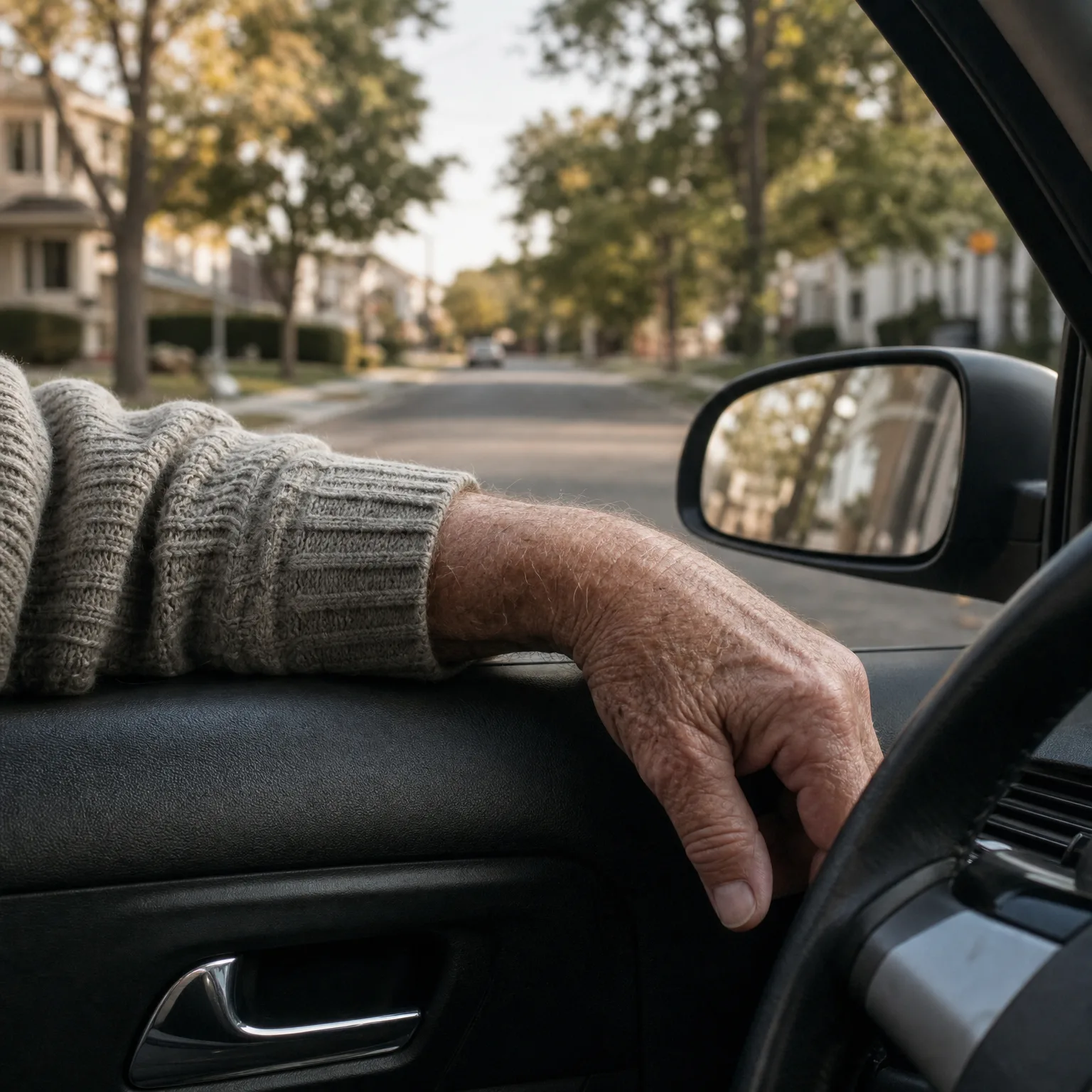
Vision and reaction time change the calculation
Merging onto a highway means judging the speed of a car coming up fast in the mirror, then acting before it closes the gap. That judgment depends on peripheral vision and on how quickly the brain turns what the eyes see into a decision. Both can slow down gradually, often before a driver notices it in everyday situations.
Someone can pass a vision test and still find that judging closing speed at highway pace feels different than it used to. That's not a contradiction. A standard vision test checks sharpness and field of view. It doesn't test how fast someone can read a fast-closing gap and react to it.
Turning the head to check a blind spot also gets harder for some drivers, simply from stiffness in the neck. On local streets that matters less. At highway speed, a missed shoulder check has much less room for correction.
If a driver notices any of this, it's worth mentioning to their doctor at a regular visit. Some vision and reaction changes are treatable or correctable, and knowing which kind they're dealing with helps more than guessing.
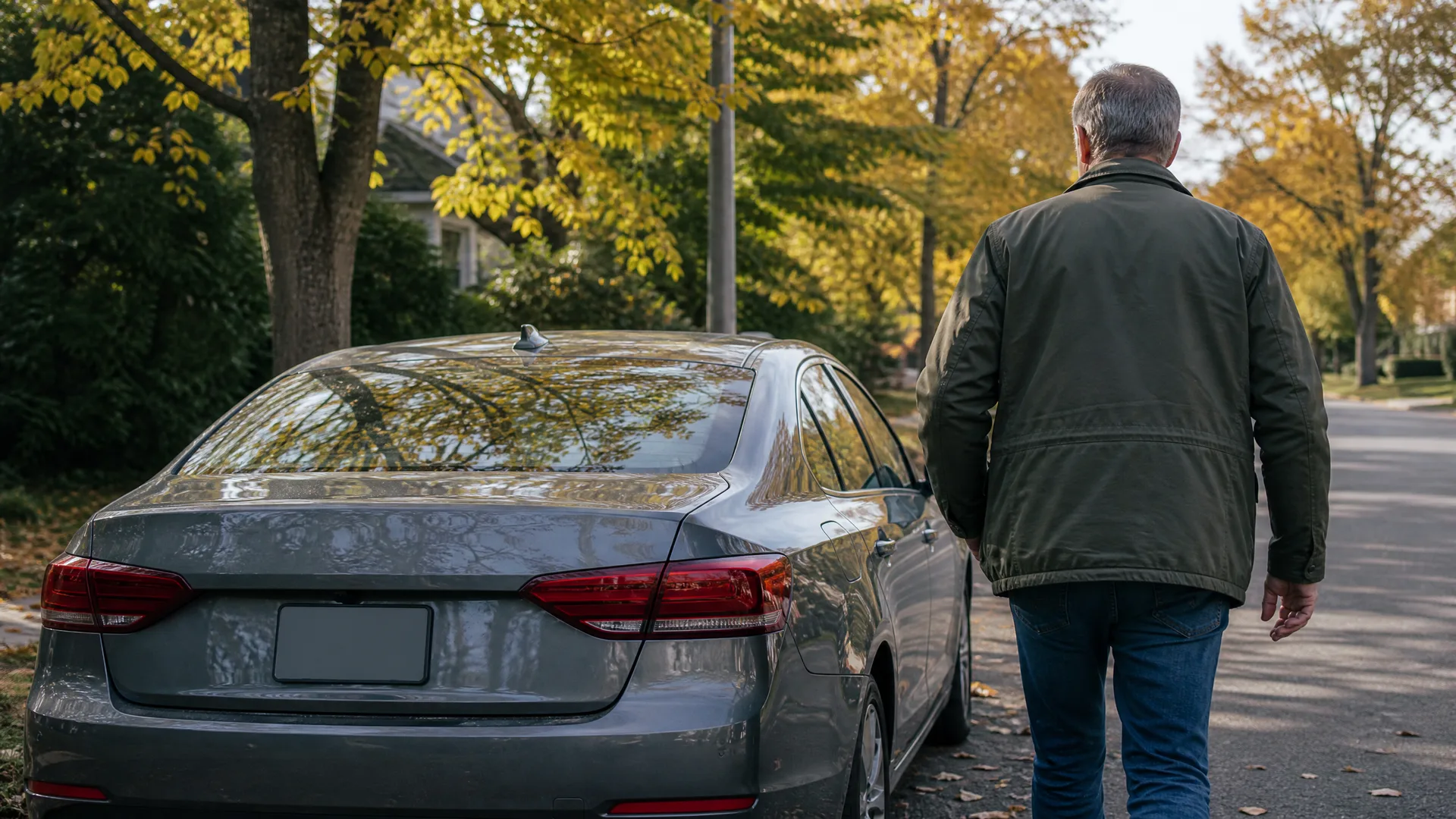
Confidence shapes the decision as much as ability does
Plenty of drivers who could still handle a highway choose not to, because the margin for error feels smaller and the speed feels less forgiving. That's a judgment call, not a failure. Avoiding a situation that feels risky is often exactly the kind of decision that keeps someone driving safely for longer.
This shows up after a close call too. One hard merge or one near-miss can change how someone feels about a road long after their actual ability to handle it has stayed the same. The hesitation outlasts the event.
Family members sometimes push in the other direction, worried that avoiding highways is the first sign of a bigger problem. Sometimes it is. Often it's just a driver choosing the road that matches how they want to drive now, which is a reasonable thing to do at any age.
Questions people ask about this
Does avoiding highways affect my car insurance rate?
It can, depending on the insurer. Some companies ask about typical driving patterns and may view mostly local driving as lower risk. Others don't ask at all. Check with your own insurer or agent about how they factor in where and how often you drive.
Should I tell my doctor I've stopped driving on highways?
Yes, it's worth mentioning at a regular visit. A change in driving habits can be an early sign of a vision or reaction time change worth checking, or it can simply be a preference. Either way, your doctor can help you tell which one it is.
Is it normal for an older driver to drive only during the day?
It's common. Night driving adds glare and lower visibility to the same vision and reaction demands that make highways harder, so many drivers who scale back highway driving also limit night driving around the same time.
Will a driving refresher course help with highway confidence?
It can for some people. These courses often cover merging, lane changes, and scanning techniques, and practicing them in a low-pressure setting helps some drivers feel steadier on the road. Ask your state's licensing agency or a local driving school what's offered near you.
Do I need to report changes in my driving habits to the DMV?
That depends on your state. Some states have specific reporting rules tied to medical conditions or driving restrictions, others don't ask unless something comes up at renewal. Check your state's DMV website or call them directly to find out what applies to you.
See how choices like this show up in your rate before you commit to anything.

Before your next renewal, take a few minutes to think honestly about which roads you drive and which you've started avoiding, and why. If it's a vision or reaction concern, bring it up with your doctor rather than guessing on your own. If it's about insurance cost, call your agent and ask directly whether your driving pattern affects your rate, since the answer varies by company. If a refresher course sounds useful, your state's licensing agency can point you to approved options nearby. None of this requires a decision right away. It just gives you better information before the next renewal notice shows up.