Is Usage Based Car Insurance Cheaper for Seniors
It can be, but only if your driving habits look good to the program, and for many seniors that's not guaranteed.
Free to compare
It depends on how you drive, not how old you are
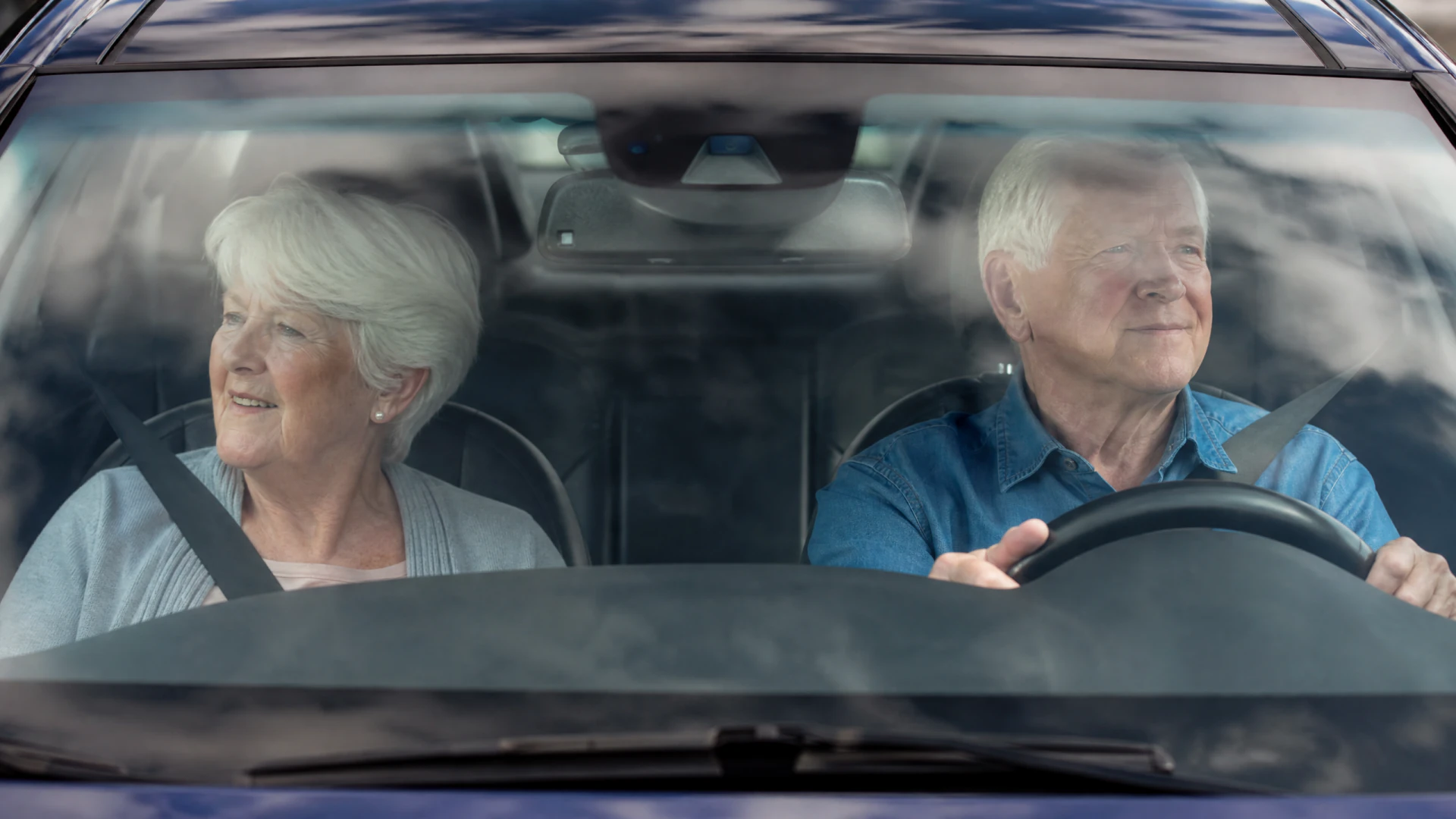
Usage based insurance prices your policy on what the program actually observes: how much you drive, when you drive, how you brake and turn. It isn't built around age at all. So the discount seniors sometimes see isn't an age discount in disguise. It's a reflection of driving less and driving during daylight, which many retired drivers do.
That means the answer really depends on your own habits. A driver who still commutes during busy hours, or who drives after dark more than the program likes, may not see savings, and could even see their rate go up. Before you sign up, it helps to know the insurer sets the specific rules for what counts as risky, and those rules vary.
How much and when you drive matters most
These programs track mileage closely, and fewer miles almost always helps. Retired drivers who no longer commute often qualify for lower rates just on that basis, regardless of age.
Time of day matters too. A program that penalizes late night driving won't care that you're retired if your trips still happen in the evening. Ask your insurer what hours count against you before you enroll, since this varies by company.
Hard braking and sharp turns are also tracked. Some drivers brake more firmly than they realize, and a program will flag that even if the rest of their driving is careful. If you're unsure how you'd score, ask the insurer whether there's a trial period with no commitment.

What seniors get wrong about these programs
Many people assume the program is measuring safety the way a driving test would. It isn't. It's measuring patterns that the insurer's data says correlate with claims, and those patterns don't always match what a careful older driver actually does.
Another common mistake is enrolling without asking what happens if the score comes back worse than expected. Some insurers guarantee you won't be charged more than your starting rate. Others don't. That's a question worth asking the agent directly before you agree to it.
It's also easy to assume the device or app is only tracking what you were told it tracks. Ask specifically what data factors into your score, since insurers differ on this, and get it in writing if you can.
Questions people ask about this
Does usage based insurance track my location?
Some programs do track where you drive, not just how. This varies by insurer, so ask directly whether location data affects your score or is only used for mileage verification.
Can I switch back to a regular policy if the program raises my rate?
Usually yes, since enrollment in these programs is typically optional and reversible. Confirm with your insurer whether switching back affects your rate in other ways, since policies differ.
Do I need a smartphone for usage based insurance?
Many programs use an app, but some offer a plug-in device instead. Ask your insurer which options they support if you don't want to rely on a phone for tracking.
Will usage based insurance affect my credit based insurance score?
These are generally separate systems, with usage based programs scoring your driving rather than your credit history. Confirm with your insurer how the two interact, since practices vary.
How long does it take to see if the discount is worth it?
Most programs need a set monitoring period before adjusting your rate. Ask your insurer how long that period is and whether you'll see any interim feedback on your score.
See whether an insurer's usage based program fits how you actually drive.
Pull up your last few months of driving and think honestly about when and how far you actually go. Call your current insurer and ask what their usage based program tracks, whether there's a rate guarantee if your score comes back poor, and whether you can leave the program without penalty. Ask the same questions of any other insurer before comparing quotes, since the rules aren't the same everywhere. If you drive mostly in daylight and don't commute, it's worth asking for a trial period to see your actual score before committing.