Is Wheelchair Equipment in Your Car Covered by Insurance
Equipment permanently installed in your car is usually covered, but only if your insurer knows it's there.
Free to compare
Yes, if your insurer knows about it
A wheelchair lift, ramp, or hand controls built into your vehicle are typically treated as part of the car for insurance purposes, which means they fall under the same comprehensive and collision coverage as the rest of the vehicle. If a covered event damages the car, the equipment is usually included in that claim.
The catch is that your insurer has to know the equipment exists and what it's worth. A standard policy is written around the value of the car as it left the factory. Equipment added afterward can push the vehicle's value well above what your policy currently reflects, and an insurer that never heard about the lift or the ramp has no reason to pay for it.
Whether you told your insurer what was installed
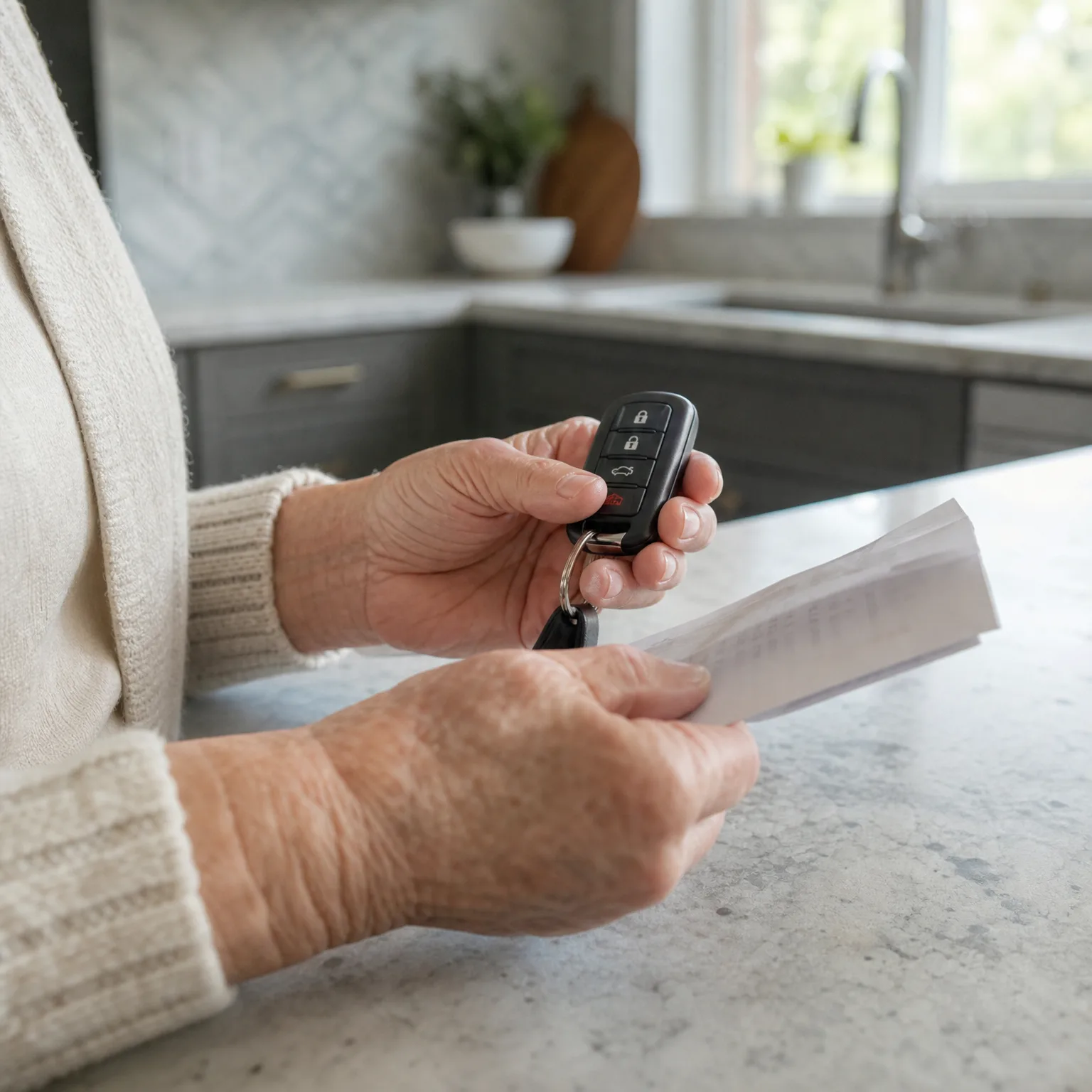
The most common reason a claim gets denied or underpaid isn't that the equipment wasn't covered. It's that the insurer didn't know it was there. When you have equipment installed, call your insurer and ask them to add it to your policy by name, with the cost of installation. Some insurers will ask for a receipt or an appraisal.
Once it's on the policy, ask how it's valued if the car is totaled. You want the lift or ramp counted separately, not folded into a single number for the car that assumes no modifications were made.
If you bought the vehicle already modified, the same rule applies. Tell your insurer what's installed before you need to file a claim, not after.
Keep the paperwork from the installation. If there's ever a dispute about what was in the car or what it cost, that's what settles it.
What your state and insurer count as part of the car
Equipment permanently bolted in, like a lift, a ramp, or hand controls wired into the dashboard, is generally treated as part of the vehicle. Equipment that's portable, like a folding ramp you carry in the trunk or a wheelchair itself, may be treated differently, sometimes under your policy's coverage for personal property in the car, sometimes not covered by the auto policy at all.
This is a question your insurer can answer for your policy specifically, since the line between the two isn't drawn the same way everywhere. Ask them directly how they classify what you have installed and what you carry.
If you're shopping for a new policy, ask this before you buy. Not every insurer handles adaptive equipment the same way, and the answer can affect which policy makes sense for you.
Questions people ask about this
Does my insurance go up if I add a wheelchair lift to my car?
It can, because adding equipment raises the insured value of your vehicle. Ask your insurer how they'll adjust your premium before the installation so there are no surprises on your next renewal.
What happens if I don't tell my insurer about the equipment?
You risk having a claim denied or paid at a lower amount, because the insurer is pricing the car without the equipment in mind. Telling them in advance is what gets it covered.
Is a portable wheelchair ramp covered the same as an installed one?
Not necessarily. A permanently installed ramp is usually treated as part of the vehicle, while a portable one may fall under different coverage or none at all. Ask your insurer how they classify it.
Will my insurer cover a rental car with the same equipment if mine is in the shop?
This depends on your policy and whether you have rental reimbursement coverage, and few rental cars come with adaptive equipment already installed. Ask your insurer what your options are before you need them.
Do I need a separate policy for adaptive driving equipment?
Usually not, since it's generally added to your existing auto policy rather than insured on its own. Confirm with your insurer that the equipment is listed and valued correctly.
If you want a policy that accounts for your equipment from the start, it helps to compare a few before you commit.

Before your next renewal, gather the receipts or appraisal from when the equipment was installed. Call your insurer and ask them to add the equipment to your policy by name, and ask how it would be valued in a claim. If you're shopping for a new policy, ask each insurer the same question before you buy, since they don't all handle adaptive equipment the same way. Keep a copy of whatever they send confirming the equipment is listed, and store it with your other insurance paperwork.