
Parkinson's, Driving, and Insurance in Kansas: What Changes
Free to compare
Does Kansas Require Doctors to Report Parkinson's Diagnoses to the DMV?
Kansas does not mandate physician reporting of Parkinson's disease diagnoses to the Department of Revenue Division of Vehicles. Your neurologist cannot and will not report your diagnosis unless you give explicit written consent or they have reason to believe you pose an immediate danger to yourself or others on the road. This puts Kansas in the minority of states — most neighboring states including Missouri and Colorado have some form of mandatory or permissive medical reporting.
Kansas Administrative Regulation 92-51-17 allows the DMV to require a Medical Examination Report if they receive information suggesting a driver may be functionally impaired. These reports typically come from law enforcement after an accident, family members, or occasionally from a driver's own voluntary disclosure. The regulation covers any condition that "may impair the person's ability to safely operate a motor vehicle," but the DMV must have a triggering event before they can act.
Most Kansas seniors diagnosed with early-stage Parkinson's continue driving for years without DMV involvement. The absence of mandatory reporting means your diagnosis remains private unless your driving behavior changes or you choose to disclose it. Your insurance company has no access to your medical records and cannot see your diagnosis unless you report it on an application or a claims investigation after an accident reveals it.
When Kansas Law Enforcement or Family Members Can Trigger a Medical Review
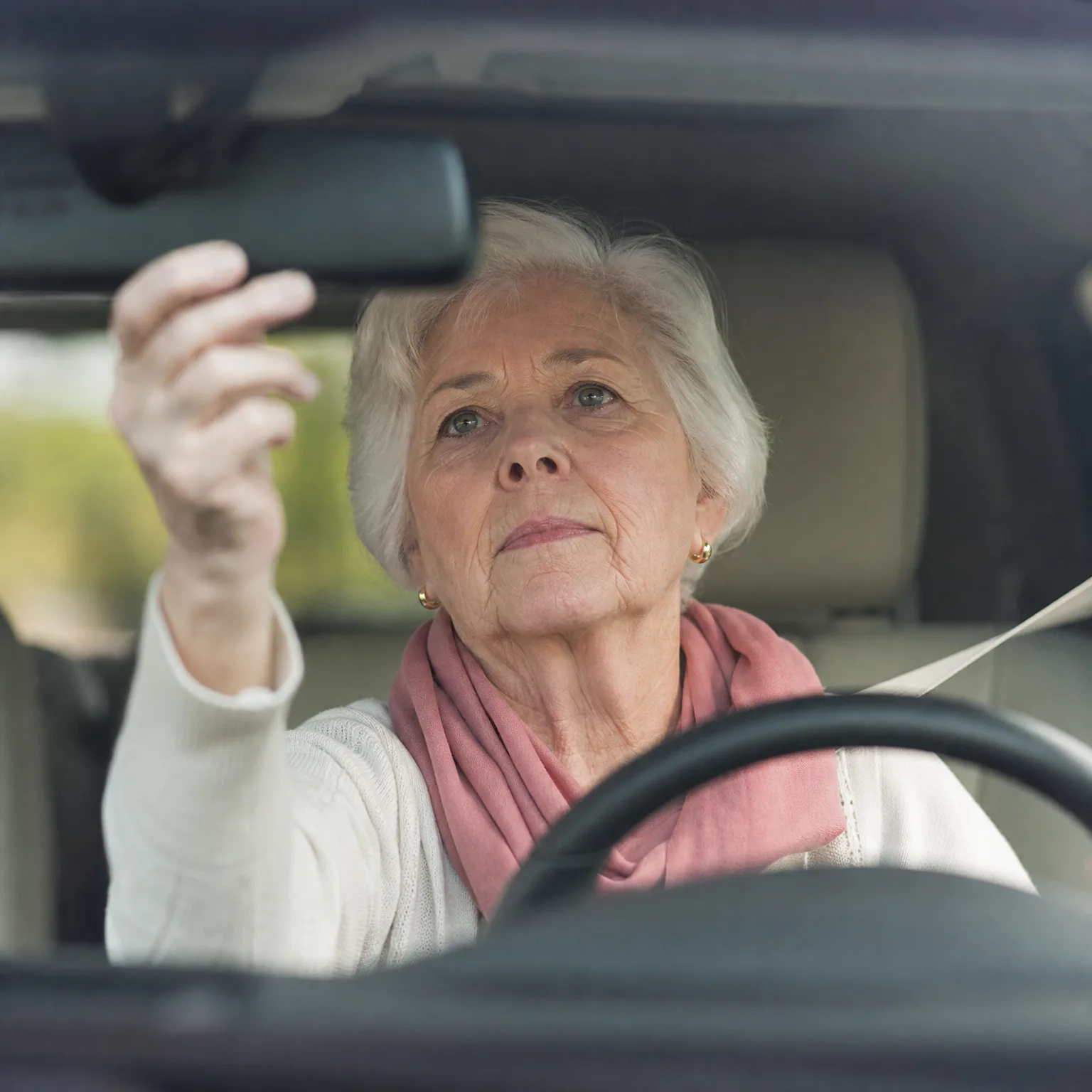
The Kansas DMV initiates medical reviews through three primary channels: law enforcement reports after accidents or traffic stops, written reports from family members or other concerned parties, and voluntary self-reporting. If a Kansas Highway Patrol officer or local police officer observes driving behavior suggesting medical impairment during a stop or accident response, they can file a report recommending medical review. The DMV then sends a Medical Examination Report form to your address requiring completion within 30 days.
Family members can submit a written request for medical review to the Kansas DMV Driver Control Bureau. The request must include your name, date of birth, driver's license number, and specific observations of impaired driving behavior. The DMV reviews the submission and determines whether to require medical evaluation. This process is confidential but becomes part of your DMV record once initiated.
If you miss the 30-day deadline to return the completed Medical Examination Report, Kansas regulation authorizes immediate license suspension without additional notice. The suspension remains in effect until you submit the required medical documentation and the DMV Medical Advisory Board reviews it. For most Kansas seniors with Parkinson's, the first indication that a medical review has been triggered is the arrival of the Medical Examination Report form by mail.
What the Kansas Medical Examination Report Actually Requires
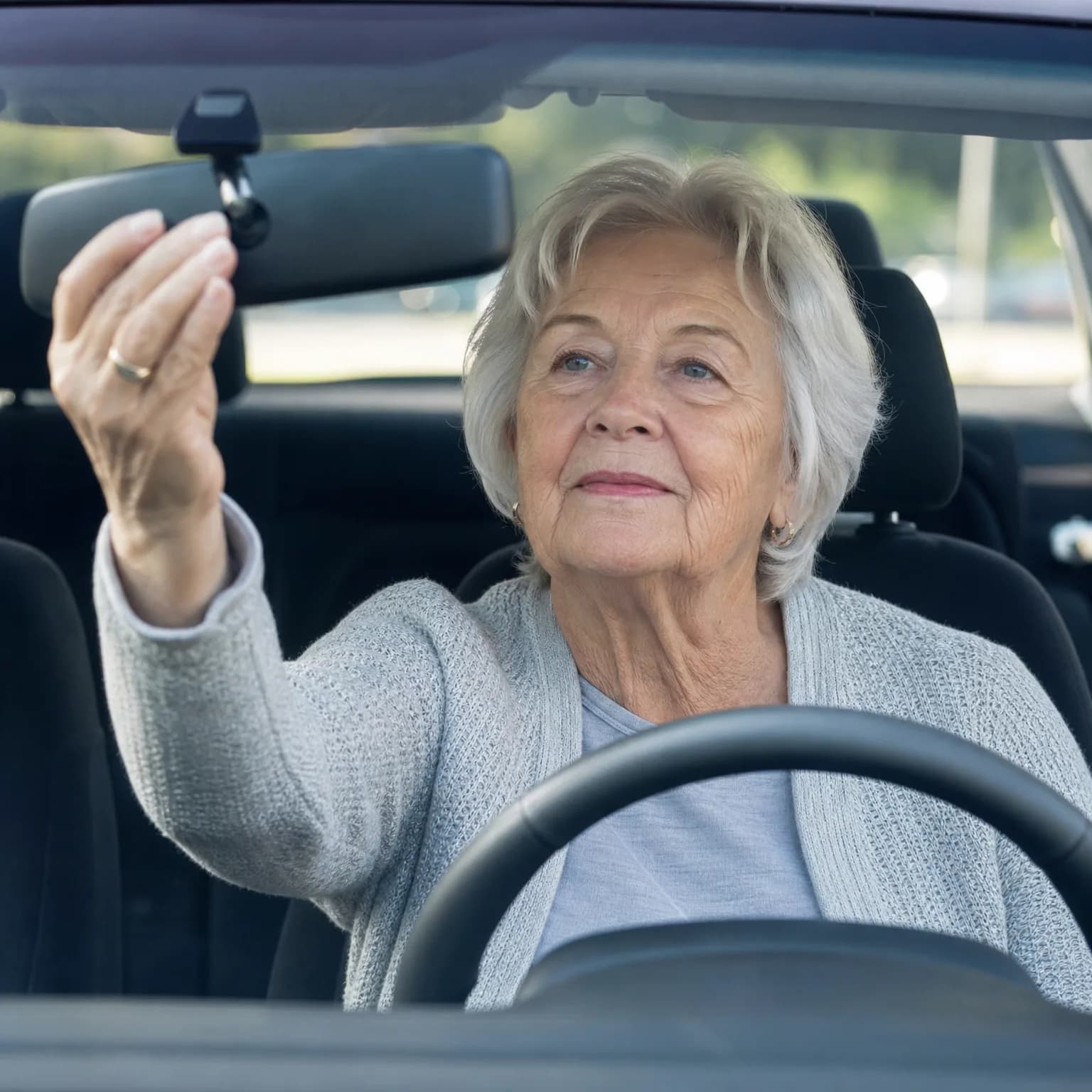
The Kansas Medical Examination Report must be completed by a licensed physician, physician assistant, or advanced practice registered nurse familiar with your condition. The form requires the medical provider to assess your functional ability to drive — not simply confirm your diagnosis. Specific evaluation areas include reaction time, field of vision, limb strength and coordination, cognitive function, and any medication side effects that could impair driving ability.
Your medical provider must rate your driving ability as unrestricted, restricted (with specific limitations such as daylight only or no highway driving), or recommend suspension. If they recommend restrictions or suspension, they must provide clinical justification. Kansas allows restricted licenses for drivers who can safely operate a vehicle under defined conditions, and many seniors with Parkinson's maintain restricted licenses for years after diagnosis.
The Medical Advisory Board reviews completed forms and issues recommendations to the Kansas DMV. The DMV makes the final licensing decision but typically follows the Board's recommendation. The entire process from Medical Examination Report submission to final decision averages 4 to 6 weeks. If the Board requests additional testing or specialist evaluation, the timeline extends. Most Kansas seniors diagnosed with Parkinson's before age 75 who remain on stable medication regimens receive unrestricted or daylight-only restricted licenses after their first medical review.
How Kansas Auto Insurance Rates Actually Respond to a Parkinson's Diagnosis
Kansas auto insurance carriers cannot access your medical records and do not see your Parkinson's diagnosis unless you disclose it or an accident investigation reveals it. Rates increase based on your driving record — accidents, violations, and claims — not undisclosed medical conditions. If your record remains clean after diagnosis, your premium follows standard age-based pricing for Kansas seniors, which typically increases 8 to 15 percent between age 65 and 75 regardless of health status.
Kansas Application Question 10 on most carrier applications asks whether you have any physical or mental condition that could impair your ability to drive safely. If you answer yes, the carrier requests additional medical information and may increase your premium, add restrictions, or decline coverage. If you answer no and later file a claim where the investigation determines Parkinson's symptoms contributed to the accident, the carrier can deny the claim for material misrepresentation and cancel your policy.
The financial impact of truthful disclosure varies widely by carrier. Some Kansas insurers add a flat surcharge of $200 to $400 annually for disclosed Parkinson's with no driving incidents. Others decline to renew. A small number of Kansas carriers — typically those specializing in senior drivers — offer standard rates for early-stage Parkinson's with a clean driving record and a physician's letter confirming controlled symptoms. Most Kansas insurance agents recommend maintaining your current carrier as long as possible if you have a long claim-free history, as loyalty can prevent non-renewal even after disclosure.
See What Drivers Over 65 Are Paying Now
See If You Qualify for Discounts
Kansas Liability Minimums and Why Full Coverage May No Longer Fit Your Situation
Kansas requires minimum liability coverage of $25,000 per person for bodily injury, $50,000 per accident for bodily injury, and $25,000 per accident for property damage. These minimums have not changed since 1977 and fall well below medical costs in most serious Kansas accidents. If you cause an accident that exceeds these limits, Kansas courts can pursue your personal assets including retirement accounts and home equity.
Most Kansas seniors with Parkinson's carry liability limits of $100,000/$300,000/$100,000 or higher, particularly if they own a home or have retirement savings. Higher liability limits typically add only $15 to $30 per month to your premium and protect your assets in a serious at-fault accident. If your diagnosis progresses and your reaction time or cognitive function declines, higher liability limits become more important, not less.
Collision and comprehensive coverage on a paid-off vehicle often costs $600 to $1,200 annually for Kansas seniors. If your vehicle is worth less than $5,000 and you can afford to replace it without insurance proceeds, dropping collision coverage makes financial sense for many drivers in their 70s. Comprehensive coverage remains cost-effective for most Kansas seniors even on older vehicles due to hail damage risk and deer collision frequency in rural counties. Review your deductible — increasing it from $250 to $1,000 typically reduces collision and comprehensive premiums by 20 to 30 percent without sacrificing meaningful protection.
How Medicare Interacts with Kansas Medical Payments Coverage After an Accident
Kansas offers optional medical payments coverage (MedPay) that pays medical expenses for you and your passengers regardless of fault. MedPay pays immediately after an accident without waiting for liability determination. Medicare does not cover auto accident injuries until all available auto insurance coverage has been exhausted, meaning MedPay becomes your primary coverage even if you have Medicare Parts A and B.
Most Kansas carriers offer MedPay in limits from $1,000 to $10,000. The $5,000 limit typically costs $40 to $70 annually for Kansas seniors. If you're injured in an accident and your medical bills reach $12,000, MedPay pays the first $5,000 immediately. Medicare then covers the remaining $7,000 subject to deductibles and copays. Without MedPay, you pay Medicare deductibles and copays on the full $12,000.
Kansas is a no-fault state for medical expenses up to $2,000 through mandatory Personal Injury Protection (PIP), but most accident-related medical costs exceed that threshold quickly. For Kansas seniors with Parkinson's who take multiple medications or have other chronic conditions, the risk of complications from accident injuries is higher than for younger drivers. MedPay at the $5,000 or $10,000 limit provides a meaningful financial buffer before Medicare engagement and costs less than one month's premium increase from a single at-fault accident.
What Happens If You Voluntarily Surrender Your Kansas License
Kansas allows voluntary license surrender at any time without requiring medical documentation or justification. You submit your physical license to any Kansas driver's license office or mail it to the Kansas Department of Revenue Driver Control Bureau with a signed letter requesting voluntary surrender. The DMV processes the surrender within 10 business days and sends written confirmation.
Voluntary surrender terminates your auto insurance requirement under Kansas law if you no longer own a registered vehicle. If you maintain vehicle registration for a spouse or family member to drive, Kansas requires you to maintain liability coverage and list all household drivers on the policy. Most Kansas carriers allow you to remain on a policy as a listed household member with a notation that you are a non-driver, which typically reduces premium by 40 to 60 percent compared to an active driver classification.
Kansas does not make voluntary license surrender permanent. You can apply for license reinstatement at any time by completing a standard license application, passing vision and written tests, and completing a road test. If you surrendered due to a medical condition, the DMV may require a Medical Examination Report before reinstatement. Most Kansas seniors who voluntarily surrender licenses after Parkinson's diagnosis do so between ages 75 and 82, and fewer than 15 percent later seek reinstatement.
Frequently Asked Questions
Will my Kansas car insurance company find out I have Parkinson's disease?
Your insurance company cannot access your medical records and will not learn about your Parkinson's diagnosis unless you disclose it on an application or renewal form, or an accident investigation after a claim reveals it. Kansas does not require physician reporting to the DMV, and insurers have no direct access to DMV medical review records unless you provide them.
Can Kansas suspend my license immediately after a Parkinson's diagnosis?
Kansas cannot suspend your license based solely on a diagnosis. Suspension requires either a failed medical review triggered by a specific driving incident or law enforcement report, or failure to return a required Medical Examination Report within 30 days of the DMV's request. Most Kansas seniors with early-stage Parkinson's never face license suspension.
Should I tell my Kansas insurance agent I have Parkinson's if I haven't had any accidents?
Kansas application questions typically ask whether you have a condition that impairs your ability to drive safely. If your neurologist has confirmed your symptoms are controlled and do not affect driving ability, many Kansas seniors with clean records choose not to disclose early-stage Parkinson's. If your condition progresses or your doctor advises you to stop driving, disclosure becomes necessary to avoid claim denial for misrepresentation.
What is the average cost increase for Kansas senior drivers who disclose Parkinson's to their insurer?
Kansas carriers that accept disclosed Parkinson's with no accident history typically add $200 to $500 annually in premium. Some carriers decline to renew at any price. Actual impact depends on disease stage, driving record, years with current carrier, and whether you have a physician's letter documenting controlled symptoms and fitness to drive.
Related Articles
Parkinson's, Driving & Insurance in Missouri for Seniors
4/29/2026

Parkinson's & Driving in SD: Reporting, Rates, Coverage
4/29/2026
Parkinson's & Driving in Kentucky: Rates & License Rules
4/29/2026

Parkinson's & Driving in Oklahoma: Senior Insurance Guide
4/29/2026

Parkinson's & Driving in Nebraska: License & Insurance
4/29/2026

Parkinson's Diagnosis & Driving in Wisconsin for Seniors
4/29/2026