
Renewing Your Missouri License After a Stroke: Medical Review Process
Free to compare
What Missouri Requires When You Renew Your License After a Stroke
Missouri law requires drivers to report certain medical conditions to the Department of Revenue before license renewal, and stroke falls under mandatory disclosure if your physician determines it affects driving ability. You submit a completed Medical Examination Report (Form 4331) signed by your treating physician, which goes to the Driver License Bureau's medical review unit.
The review focuses on functional ability, not diagnosis alone. Your doctor documents motor control, vision field, reaction time, and cognitive function as they relate to vehicle operation. Missouri does not have a fixed waiting period after stroke — approval depends on demonstrated recovery and compensatory skills.
Most applicants receive a decision within 4–6 weeks. Approximately 70% of stroke survivors who apply receive either full approval or a restricted license allowing daytime-only driving or routes within a specific radius. The remaining cases receive requests for additional documentation or mandatory behind-the-wheel testing before a final decision.
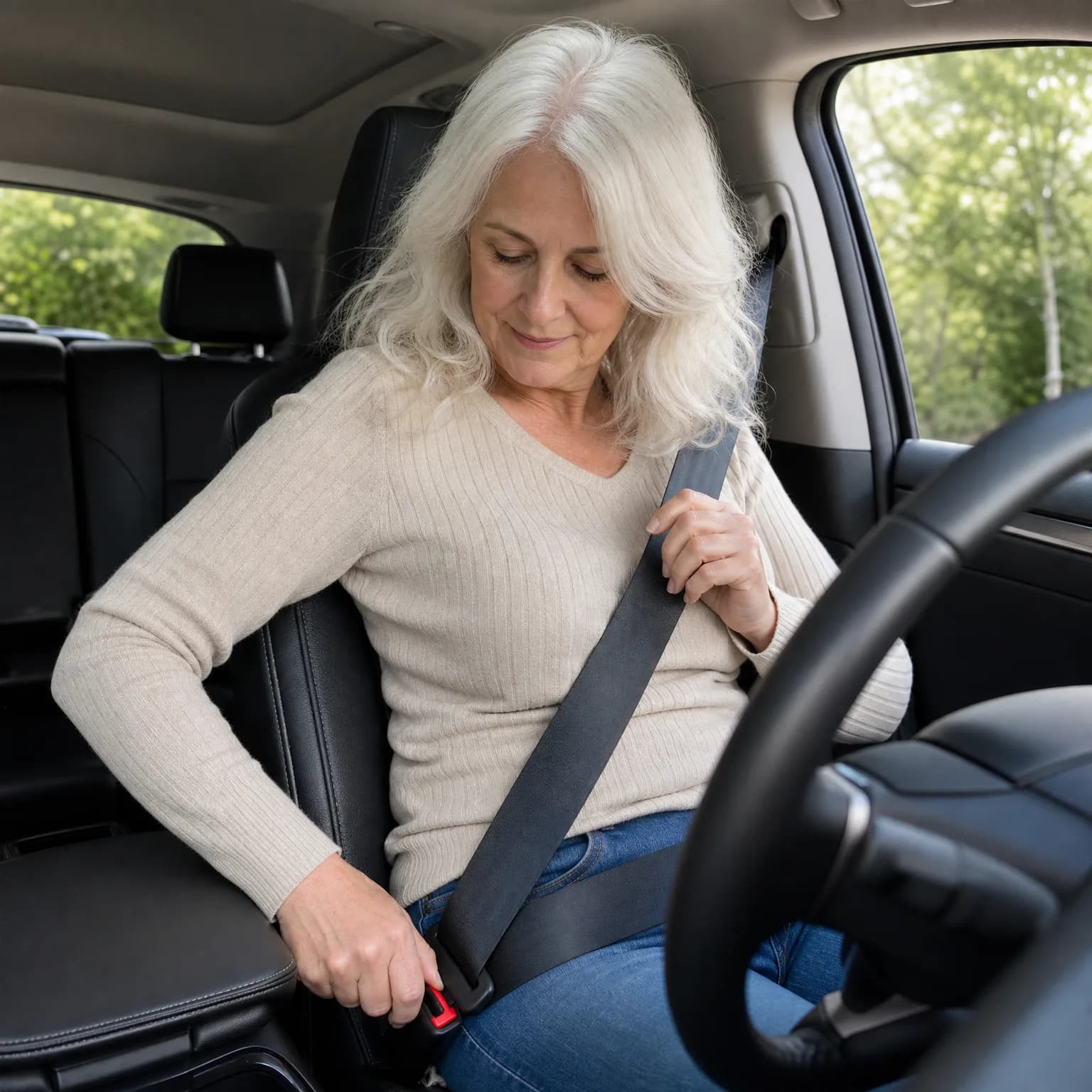
How the Medical Review Board Evaluates Your Application
Missouri's Driver License Bureau medical review unit evaluates three core factors: your physician's assessment of functional impairment, the time elapsed since the stroke event, and any adaptive equipment or restrictions your doctor recommends. They do not automatically deny applications based on stroke history.
The board prioritizes your ability to safely control a vehicle under current conditions. If your stroke caused right-side weakness but you demonstrate full function in your left arm and leg, and your doctor certifies adequate compensatory ability, you're likely to receive approval with an automatic transmission restriction. If visual field deficits remain, the board may require a restricted license limiting you to familiar routes or daylight hours.
You can strengthen your application by including a functional driving evaluation from a certified occupational therapist or driver rehabilitation specialist before your physician completes Form 4331. Missouri accepts these assessments as supporting evidence, and they often carry significant weight when stroke effects are moderate but functional ability is preserved. Most senior drivers don't realize this option exists until after their initial application is delayed for additional review.


Timeline: When to Start the Process Before Your License Expires
Start your medical review application 8–10 weeks before your current license expiration date. Missouri allows you to drive on your existing license while the review is pending, but only if you submit your renewal application and medical documentation before expiration.
If your license expires before you apply, you cannot legally drive during the review period. This creates a gap of 4–6 weeks or longer without driving privileges, which is particularly problematic if you live in a rural Missouri county with limited public transit.
Missing the pre-expiration deadline means you'll need alternate transportation to medical appointments, pharmacy visits, and grocery shopping during the entire review window. Many senior drivers discover this timing requirement only after their license has already lapsed, forcing them to rely on family members or paid services for weeks longer than necessary.
What Happens to Your Auto Insurance During Medical Review
Your auto insurance remains active during Missouri's medical review process as long as you maintain continuous coverage and notify your carrier of your renewal application status. Missouri does not require you to surrender your license plates while awaiting approval.
You must notify your insurance carrier within 30 days of submitting medical documentation to the state. Most carriers do not increase your premium during the review period itself, but some add a surcharge or restrict coverage if your final license includes driving restrictions you didn't previously have. If you receive a daytime-only restriction and continue driving at night, your policy may deny claims resulting from nighttime accidents.
If the review board denies your license renewal entirely, you have a 30-day window to cancel your auto insurance without penalty under Missouri law. During that window, contact your carrier to confirm cancellation procedures and request a pro-rated refund for unused coverage. If you maintain a household with other licensed drivers, you may need to restructure your policy to list yourself as an excluded driver rather than canceling coverage entirely.

See What Drivers Over 65 Are Paying Now
See If You Qualify for Discounts
Restricted License Options If Full Approval Isn't Granted
Missouri issues several restricted license categories for drivers whose medical review identifies functional limitations but not complete inability to drive safely. Restrictions appear as printed conditions on your physical license card and in the state DMV database.
Common restrictions include daylight hours only, automatic transmission only, geographic radius limits, corrective lenses required, and outside mirrors required. These restrictions are enforceable by law enforcement — if an officer stops you for any reason and your license shows a daylight restriction, driving after sunset is a separate violation regardless of the reason for the stop.
Restricted licenses typically require annual renewal with updated physician documentation instead of Missouri's standard 6-year renewal cycle. This creates an ongoing cost and administrative burden, but it preserves legal driving ability for seniors who have recovered substantial function after stroke. You can petition for restriction removal after 12 months by submitting new medical evidence showing improved function, though the review board requires clear documentation of sustained recovery rather than temporary improvement.

How to Appeal If Your Renewal Application Is Denied
Missouri allows you to appeal a medical review denial within 30 days of receiving the decision letter. You file a written appeal with the Driver License Bureau and request an administrative hearing before the state's medical advisory board.
The hearing allows you to present new medical evidence, testimony from your treating physicians, and results from professional driving evaluations. Missouri assigns an administrative law judge who reviews all submitted evidence and issues a binding decision within 60 days of the hearing date. Approximately 35% of appealed denials result in restricted license approval, particularly when applicants provide functional driving assessments conducted after the initial denial.
If the appeal is denied, you can petition for reconsideration after 6 months by demonstrating measurable improvement in the functional areas that led to the original denial. This pathway is most relevant for stroke survivors whose recovery extends beyond the initial review period. You cannot legally drive during the appeal process unless you hold a valid license from another state, which Missouri does not recognize if you're a legal resident subject to medical review requirements.
What This Means for Your Insurance Rates Going Forward
Missouri carriers typically increase premiums by 15–30% after a medical review results in a restricted license, though the increase depends on the specific restrictions imposed and your carrier's underwriting guidelines. Daytime-only restrictions generally trigger smaller increases than geographic radius limits, which carriers view as indicators of more significant functional impairment.
If you receive full license approval after medical review with no restrictions, most carriers do not increase your premium solely based on your stroke history. Missouri prohibits insurers from using medical conditions as the sole basis for rate increases if the state has cleared you to drive without restrictions. However, carriers can and do increase rates for senior drivers at renewal based on age-related actuarial factors unrelated to your medical review.
You can mitigate rate increases by shopping for carriers that specialize in senior driver coverage or offer medical condition flexibility. Some regional carriers operating in Missouri apply smaller surcharges for restricted licenses than national carriers. Request quotes from at least three carriers after your license status is finalized, and confirm that each quote reflects your actual restrictions rather than a blanket high-risk classification.
Frequently Asked Questions
Can I drive in Missouri while waiting for my medical review decision after a stroke?
Yes, if you submit your renewal application and medical documentation before your current license expires. Missouri allows you to continue driving on your existing license during the review period, which typically takes 4–6 weeks. If your license expires before you apply, you cannot legally drive until the review is complete and a decision is issued.
Does Medicare cover the cost of a functional driving evaluation in Missouri?
Medicare Part B covers occupational therapy evaluations when medically necessary and ordered by your physician, but it does not typically cover behind-the-wheel driving assessments conducted by driver rehabilitation specialists. Out-of-pocket costs for a comprehensive driving evaluation in Missouri range from $300–$600. Some private Medicare Supplement plans offer partial reimbursement.
Will my auto insurance company find out about my stroke if I don't tell them?
Yes, in most cases. Missouri requires the Department of Revenue to notify your insurer if your license status changes due to medical review, including restricted approvals or denials. Additionally, if you file a claim and the carrier discovers you failed to disclose a medical condition that affected your driving ability, they can deny the claim and potentially cancel your policy for material misrepresentation.
What happens if I move to another state while my Missouri medical review is pending?
You must complete Missouri's review process before applying for a license in your new state. Most states require you to surrender any existing out-of-state licenses when you establish residency, and they check for pending medical reviews or restrictions in the National Driver Register. If Missouri has flagged your license for medical review, your new state will require documentation of the final decision before issuing a license.
How often do I need to renew a restricted license in Missouri after a stroke?
Missouri requires annual renewal for most medically restricted licenses, compared to the standard 6-year renewal cycle for unrestricted licenses. Each renewal requires updated physician documentation confirming your continued ability to drive safely within the restrictions. You can petition to remove restrictions after 12 months by providing medical evidence of sustained functional improvement.
Related Articles

MS License Renewal After Stroke: Medical Review Process
4/29/2026

Kansas License Renewal After Stroke: Medical Review
4/29/2026

MN License Renewal After Stroke: Medical Review Timeline
4/29/2026

Renewing IL License After Stroke: Medical Review Steps
4/29/2026

Montana License Renewal After Stroke: Medical Review
4/29/2026

Oregon License Renewal After Stroke: Medical Review Guide
4/29/2026