Ride Options for Seniors Who Share a Car
Sharing a car with someone else in the house usually means both of you go on the policy, even if one of you drives it far less.
Free to compare
Both drivers generally need to be on the policy
If you and another adult in your home both drive the same car, most insurers want both of you listed on the policy, not just the one who drives it most. The one behind the wheel less often can usually be listed as an occasional driver, which costs less than being the primary driver but still counts you as a known risk on that car.
Insurers ask about this because anyone with regular access to the car is someone they're covering, whether they're driving it twice a week or twice a month. Leaving a household driver off the policy to save money is the kind of thing that can cost far more later if that person is in an accident and the insurer finds out they weren't disclosed.
Who actually owns the car changes what you need to do
If the car is titled to one person and a second household member just borrows it sometimes, the owner's policy is still the one that matters most. The owner lists the other driver as an occasional or secondary driver on their own policy.
If you and the other driver each have a car and simply swap sometimes, each of you likely needs to list the other as an occasional driver on your own policy, since most personal auto policies follow the car and expect the insurer to know who else might be driving it.
If neither of you owns a car and you're sharing one that belongs to someone else, such as an adult child, ask that person's insurer directly how they want the arrangement handled. The answer depends on their policy, not yours.
It's worth checking your own policy documents or calling your agent to confirm how your insurer defines a household driver, since the threshold for who must be listed isn't the same everywhere.
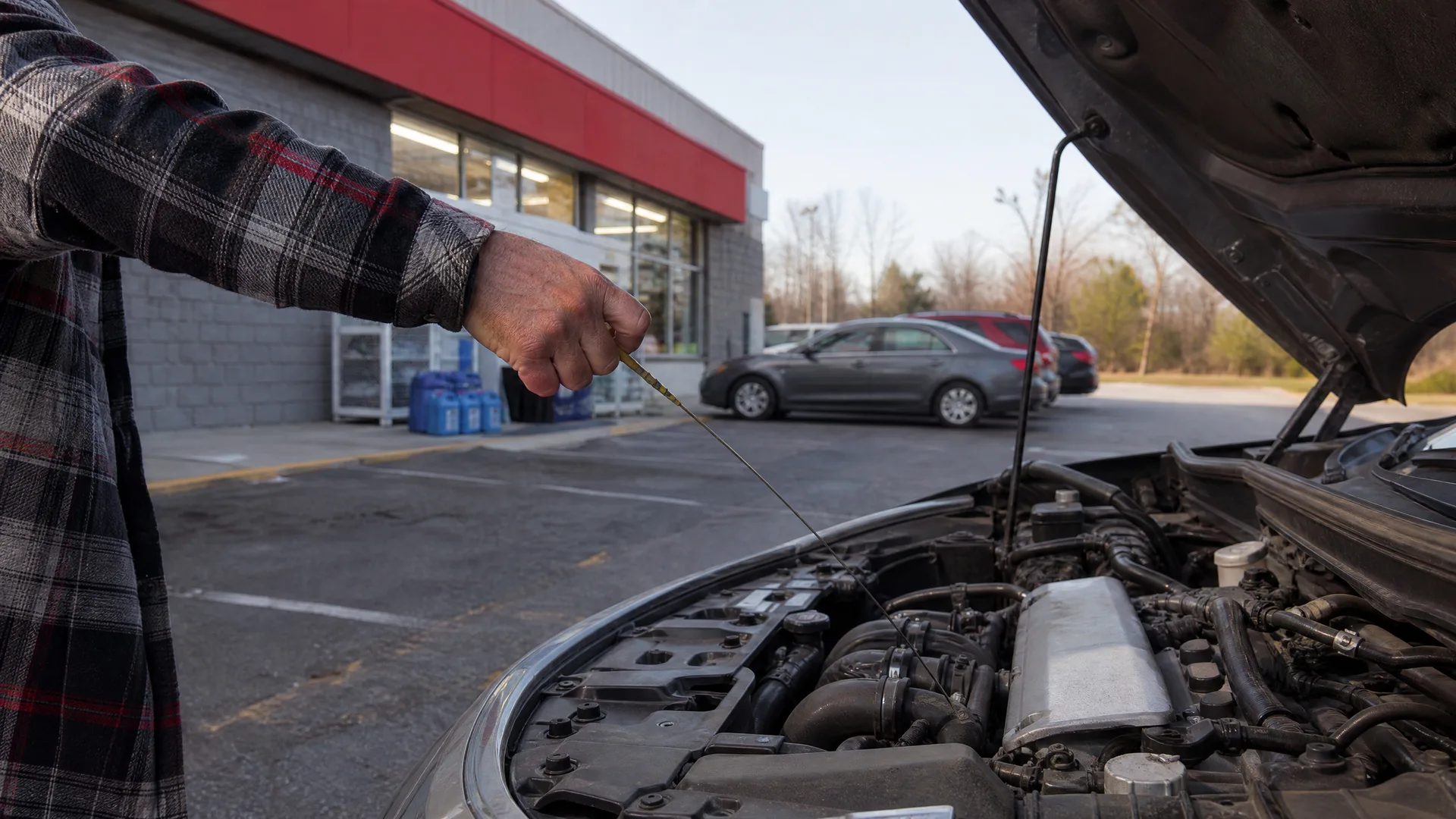
How the car gets used matters as much as who drives it
An occasional driver who takes the car to the grocery store once a week is a different risk to an insurer than one who commutes with it daily. Some insurers ask how often each driver uses the car and adjust the premium based on that split.
If the arrangement changes, say one of you starts driving the car for most errands instead of occasionally, that's worth telling the insurer, since the original setup may no longer reflect reality.
A driving record still follows the person, not the car. If one of you has a record with violations or claims and the other doesn't, listing both drivers means the insurer is weighing both records, which can affect the premium more than the sharing arrangement itself.
Ask the insurer whether rides given to others, such as grandchildren or neighbors, change anything about coverage. Most personal policies cover occasional favors like that, but it's worth confirming rather than assuming.
Questions people ask about this
Can my spouse and I share one car and one policy?
Yes, most insurers let spouses in the same household share a single policy and a single car, with both listed as drivers. The insurer will ask about each person's driving record and how the car is used, since both affect the premium.
Does adding my adult child as a driver on my car raise my rate?
It often changes the premium, since the insurer is now accounting for another driver's record and experience. Ask your insurer directly what the difference would be before you decide, since it varies by driver and by insurer.
What happens if someone drives my car who isn't on my policy?
Most personal auto policies still provide some coverage for an occasional driver who isn't listed, as long as they had your permission to drive the car. Coverage for a driver who uses the car regularly without being listed is a different situation, so ask your insurer where that line falls.
Do I need to tell my insurer if a friend sometimes drives my car?
Tell your insurer if the friend drives your car with any regularity, since an undisclosed regular driver can affect a claim later. A single occasional favor is usually treated differently from someone who borrows the car every week.
Can two households share one car and insure it together?
This depends on the insurer, since most personal auto policies are written around a single household. If a car is genuinely shared across two households, ask each insurer how they want the ownership and the drivers listed, since the answer isn't the same everywhere.
See what a few insurers would charge to cover both of you on the car you share.

Before you renew or change anything, find your current policy and check how it defines a household or occasional driver. Call your insurer or agent and describe exactly how the car gets used, who drives it, and how often, since that's the detail they need to get the listing right. If the car is titled to someone else, such as an adult child, ask that person to make the same call to their own insurer. Once you know how your current policy would handle the arrangement, compare what a few other insurers would charge for the same setup, since the cost of listing a second driver varies more between insurers than people expect.