Sharing a Car With an Adult Child: Insurance Questions
Whether to share a policy or split into two comes down to whose car it is and who drives it most.
Free to compare
It depends on whose name is on the car
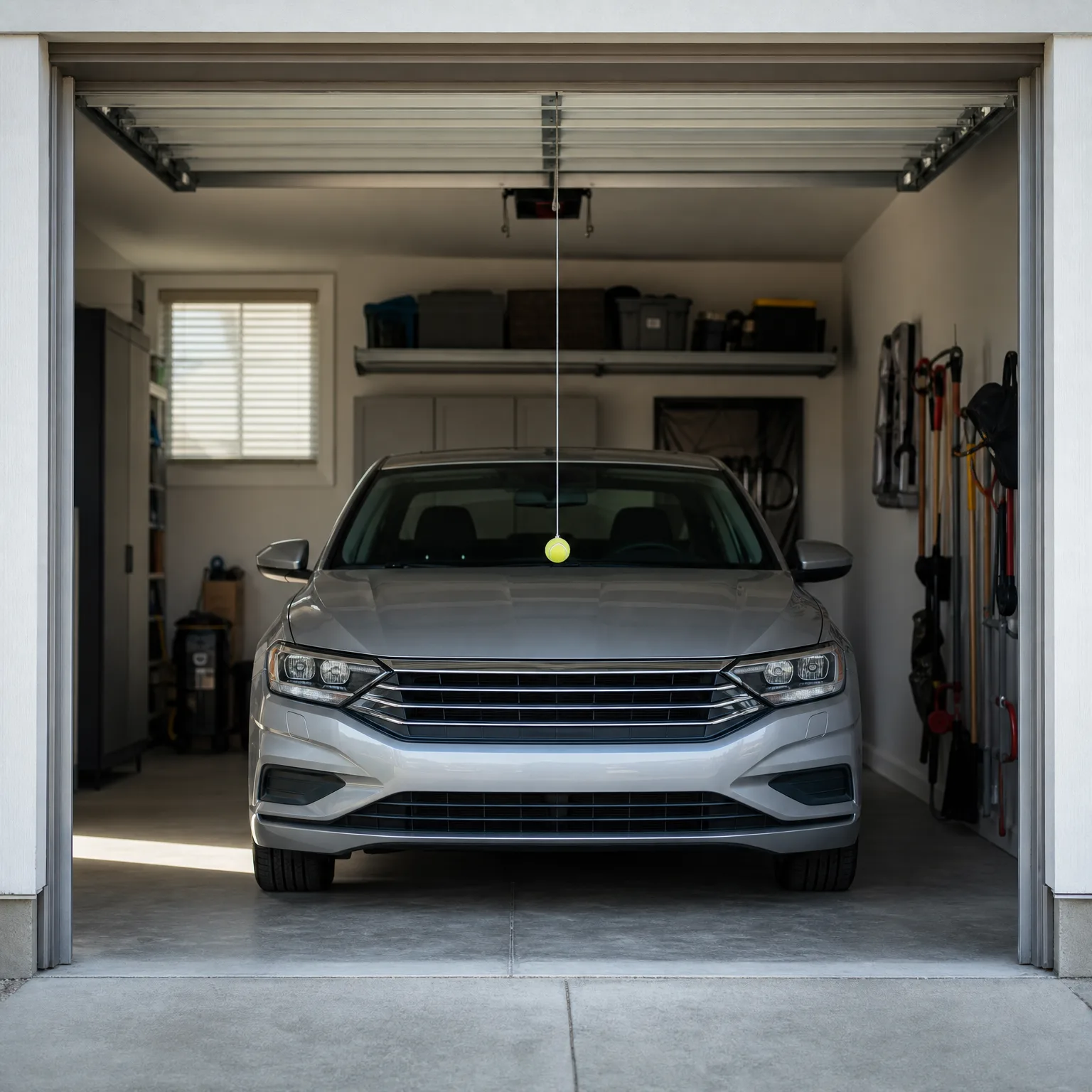
If the car is yours and your adult child drives it regularly, your insurer will likely want them listed on your policy, insured or not. If the car is theirs, bought and registered in their name, they generally need their own policy, even if they live with you.
Insurers care about who the registered owner is and who the regular driver is. Those two facts, more than age or relationship, decide whether one policy can cover both of you or whether you need two.

Who owns the car
If your adult child drives a car you own, most insurers expect them on your policy as a listed driver. Leaving them off doesn't save money if it leads to a denied claim, and insurers can ask who regularly drives the car when you apply or when they investigate a claim.
If your adult child owns their own car, even one parked in your driveway, that car usually needs its own policy with them as the named insured. Some insurers will let you add their car to your policy as an additional vehicle, but check whether that changes who's listed as the owner versus the driver, since that distinction matters if there's ever a claim.
If they're moving out, or already have, call your insurer before the move. A change in where the car is kept and who owns it can mean a new policy is needed, not just an updated address.

Who drives the car most
Even on a shared policy, insurers usually ask who the primary driver of each car is. If your adult child drives your car more than you do, commuting to work or school, say so. Listing yourself as primary driver when they actually are can affect a claim later.
A common setup is one shared policy with each person as primary driver on a different car. That can work well if you're on good terms and your insurer allows it, but it means your records are linked. A ticket or an at-fault accident on their end can affect your premium, and vice versa.
Separate policies avoid that link entirely. Each person's driving record stays their own. Some families choose this once an adult child has steady income and wants their own insurance history, separate from a parent's.
Questions people ask about this
Does adding my adult child to my policy raise my premium?
It usually does, since your insurer is now covering an additional driver, and a younger or less experienced driver typically costs more to insure. How much depends on their age, driving record, and your insurer's rules, so ask for a quote with them added before deciding.
Can my adult child get their own insurance discount for staying on my policy?
Some insurers offer a discount for young drivers who stay on a parent's policy rather than starting their own, but this varies by insurer and isn't universal. Ask your insurer directly whether this applies and what it requires.
What happens if my adult child moves out but still drives my car sometimes?
Tell your insurer about the change in address, since where a driver lives can affect your policy even if they still drive your car occasionally. Some insurers treat an occasional driver differently from a resident one, so ask how they classify this.
Should my adult child be on my policy or buy their own if they have a bad driving record?
A policy with multiple drivers can be affected by any one driver's record, so a bad record could raise your premium if they're added to your policy. A separate policy keeps their record from touching yours, though it will likely cost them more on their own.
Does my adult child need to be listed on my policy if they only drive my car occasionally?
Most insurers want to know about any regular driver of a vehicle, even an occasional one, and some have a specific threshold for how often someone needs to be listed. Ask your insurer how they define occasional versus regular, since this varies by company.
See what it would cost to add them to your policy versus insuring them separately.

Call your insurer this week and ask two things: whether your adult child needs to be listed as a driver on your policy, and whether their car, if they have one, needs its own policy. Have the car's registration and your adult child's driving history on hand, since both affect the answer. Ask for a quote with them added, and a separate quote for a standalone policy in their name, so you can compare the actual numbers rather than guessing. If they're moving out soon, ask now how that changes things, since some insurers want the address updated before the move, not after.