Safe Following Distance at 70 Mph for Older Drivers
At 70 mph you need more space and more time than the old three-second rule gives you, because reaction time slows with age.
Free to compare
Give yourself at least four seconds, more in poor conditions
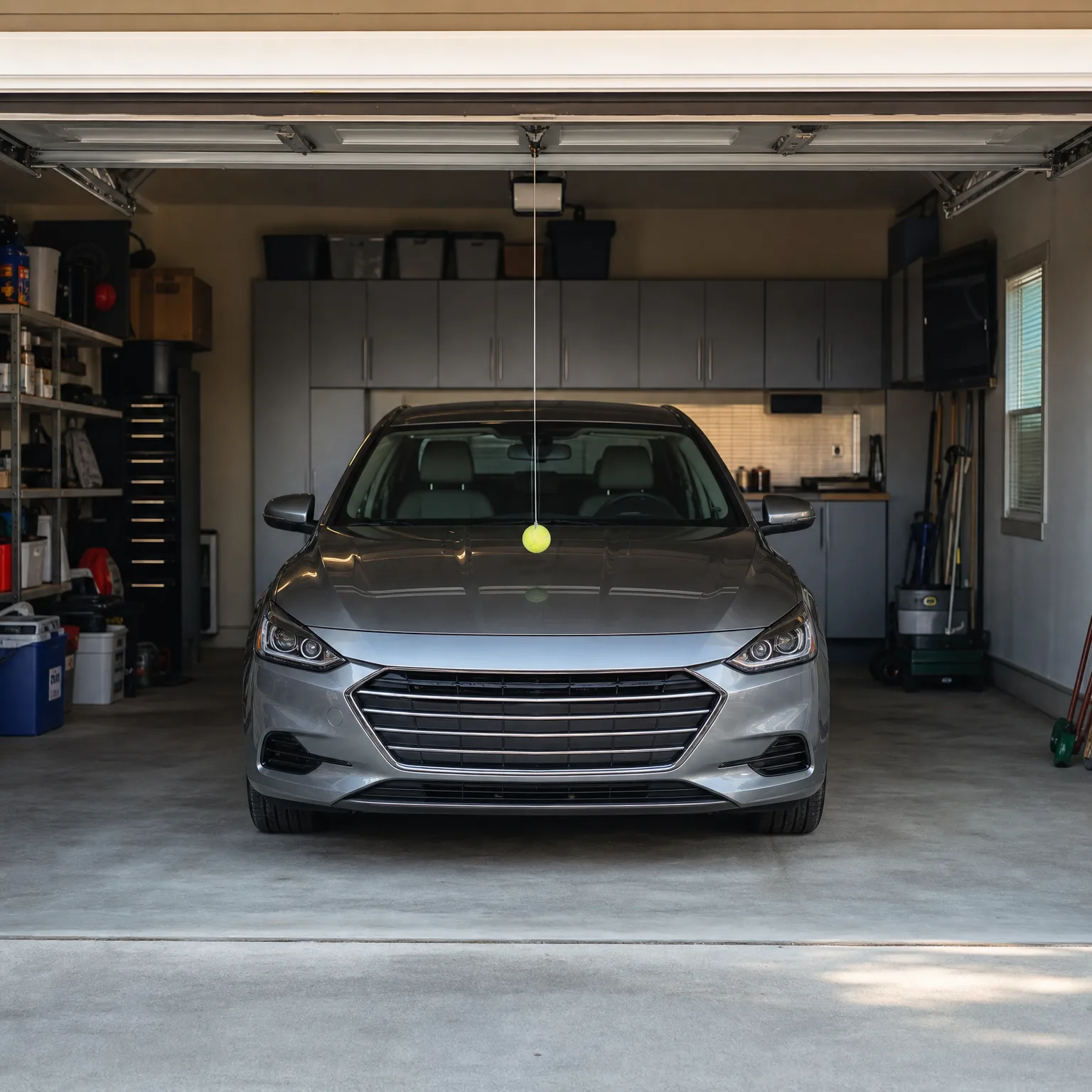
The common three-second rule was built for lower speeds and average reaction times. At 70 mph, the car ahead of you is covering a lot of ground every second, and if your reaction time has slowed even slightly, three seconds doesn't leave enough room to brake safely. A four-second gap, timed from when the car ahead passes a fixed point to when you pass the same point, gives you a better margin.
This isn't about age making anyone unsafe behind the wheel. It's about reaction time, which slows gradually for most people as they get older, and the fact that highway speeds leave less room for error than city driving. The gap you need depends on your own reflexes, the condition of your brakes and tires, the weather, and how good your eyesight is at judging distance and closing speed.

Reaction time is the thing that actually changes
At 70 mph, a car travels a long distance in the time it takes to notice a hazard, decide to brake, and get your foot on the pedal. That reaction time is the real variable behind any following distance rule. It varies by individual, not by a fixed age, but it does tend to lengthen gradually over the years, and a lot of people don't notice the change in themselves because it happens slowly.
The practical fix isn't to avoid highway driving. It's to build in more cushion so that a slightly longer reaction time still leaves room to stop. A four-second or five-second gap costs you very little in travel time but buys real room if the car ahead brakes hard.
If you've noticed your reflexes aren't what they used to be, or a doctor has mentioned it, that's worth factoring into how much space you leave, not just at 70 mph but at any speed.
Vision plays into this too. Judging how fast the gap ahead is closing depends on depth perception and peripheral vision, both of which can decline without a person noticing until a vision test catches it.
Conditions change what counts as enough space
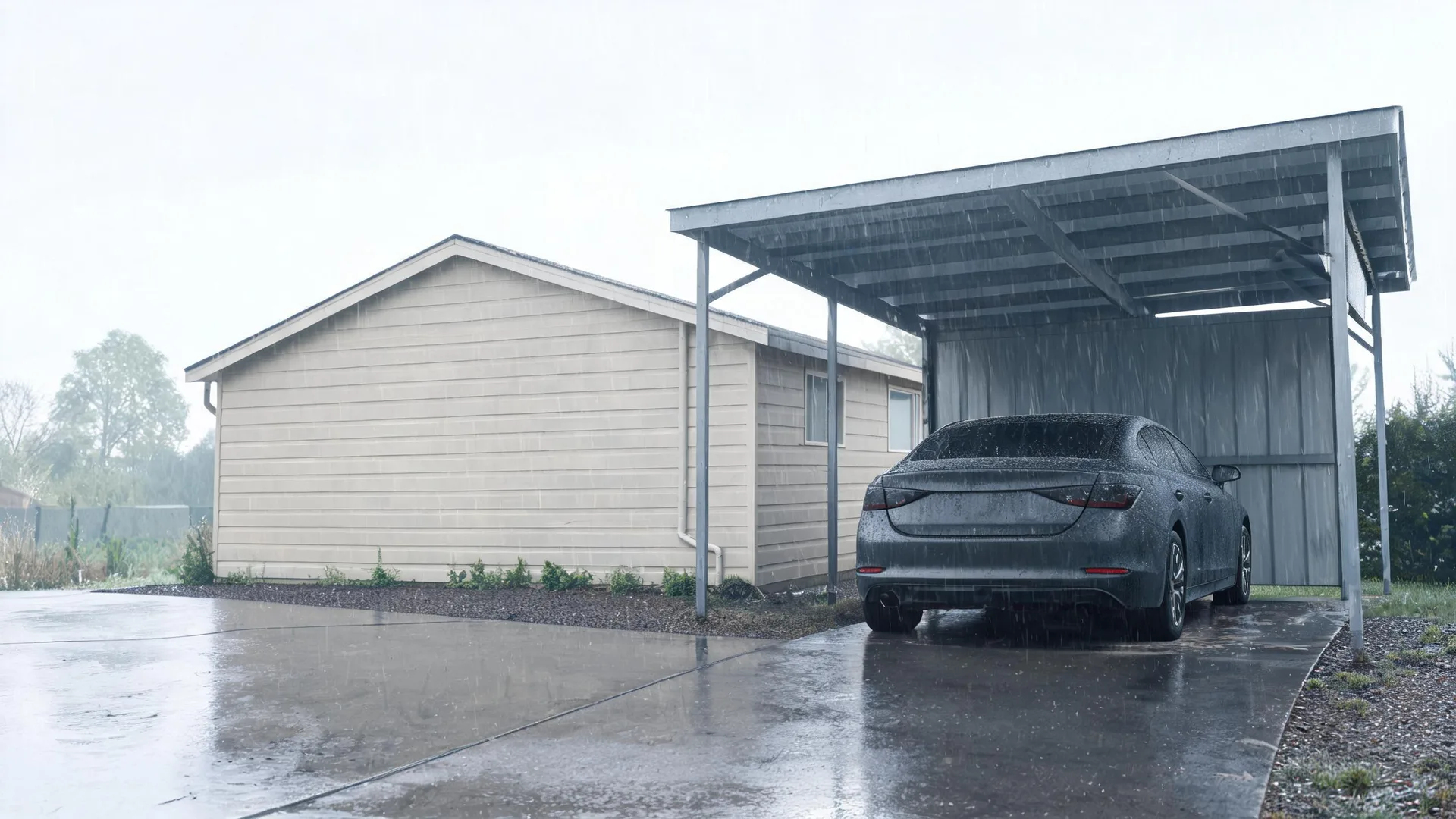
The four-second rule assumes dry pavement, good visibility, and a car with brakes and tires in good condition. Rain, fog, glare, or an unfamiliar road all call for more distance, sometimes significantly more. Night driving is its own case, since headlights only show you so much of the road ahead.
The condition of your own vehicle matters as much as the road. Worn tires or older brakes need more distance to stop the car than new ones do, regardless of how quickly you react. If you're not sure how your brakes and tires are holding up, that's worth checking before you assume a four-second gap is enough.
A common mistake is treating following distance as a single fixed number. It's really a floor, something you add to depending on the weather, the road, and your own car that day. On a clear day with a well-maintained car, four seconds is a reasonable baseline. On a wet night, it should be more.
Questions people ask about this
How do I actually measure a four-second following distance while driving?
Pick a fixed point ahead, like a sign or an overpass shadow, and count the seconds between when the car in front of you passes it and when you do. If you reach the point before you finish counting to four, you're following too closely. This works at any speed, which is part of why it's a more useful rule than trying to judge a distance in car lengths.
Does my insurer check my following distance or driving habits?
Insurers generally don't monitor how much space you leave on the road day to day. What affects your policy is your driving record, meaning any tickets or accidents on file, not habits that never get reported. Some insurers offer telematics programs that do track driving behavior directly, but that's opt-in and varies by company, so ask your own insurer if you're curious whether they offer one.
Will a defensive driving course help me with highway driving specifically?
Many defensive driving courses cover following distance, braking, and highway merging as part of the curriculum, though the content varies by course and by state. If highway driving is your specific concern, ask the course provider whether that's covered before you sign up. Separately, completing a course may qualify you for a discount with your insurer, but you usually have to send them the certificate yourself.
Should I avoid driving 70 mph altogether as I get older?
There's no blanket rule that says a driver should stop driving at highway speeds because of age. What matters is whether your own reaction time, vision, and comfort level still support driving safely at that speed, which is something only you, and possibly your doctor, can really judge. If 70 mph feels uncomfortable or you find yourself reacting late to brake lights ahead, that's worth paying attention to regardless of what the speed limit allows.
Does tailgating or following too closely affect my insurance rate?
A following-too-close citation, if you're ticketed for one, can affect your record and potentially your rate, the same way most moving violations can. Whether and how much it affects your premium depends on your insurer and your state, since both set their own rules for how violations are weighed. If you've gotten a ticket, it's worth asking your insurer directly how it will factor into your next renewal.
See how your driving record and vehicle affect what you'd pay, and compare before your next renewal.
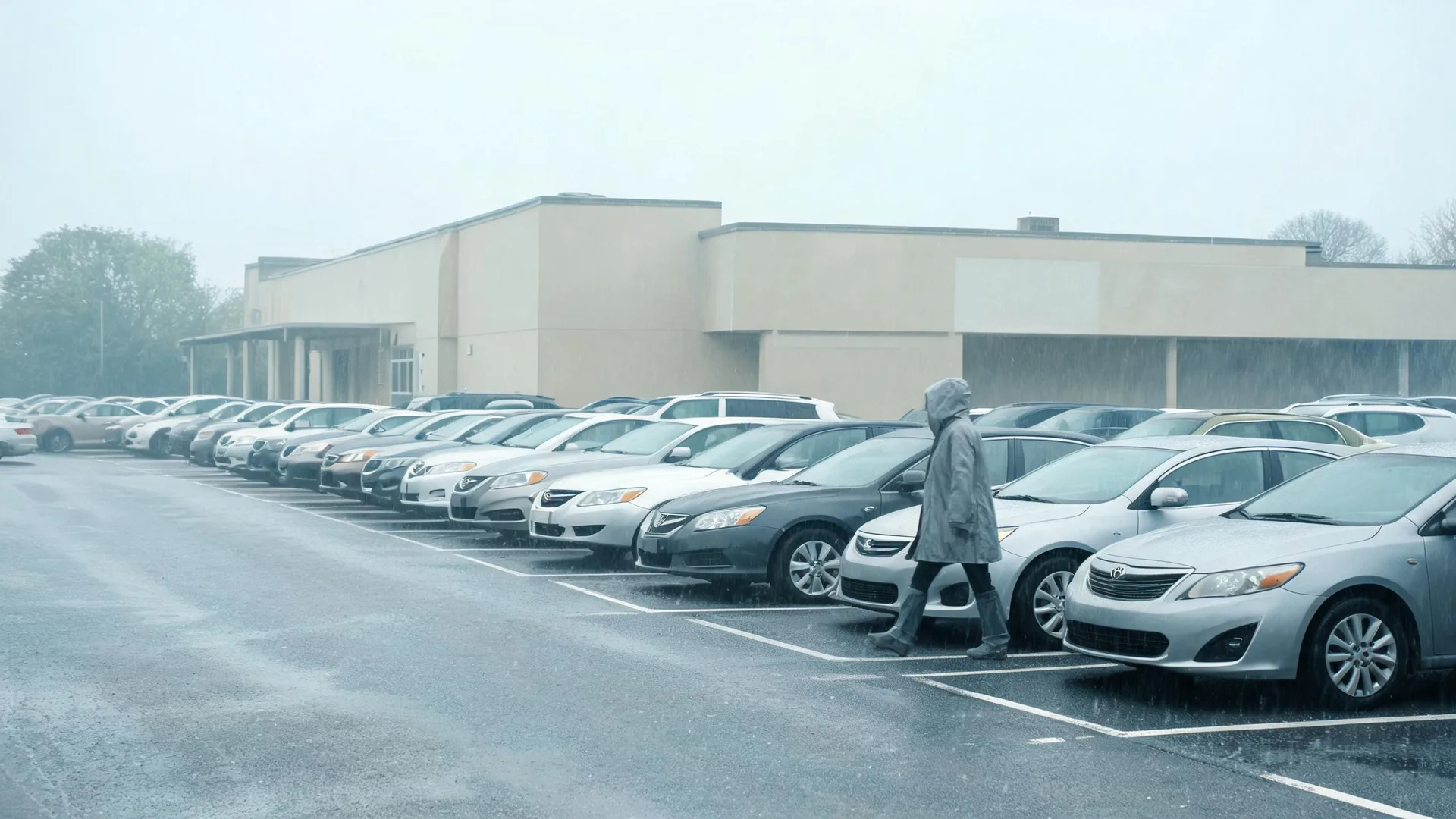
This week, practice the four-second count a few times on a highway you drive often, just to see where your current gap actually lands. If you've noticed slower reflexes or any change in your vision, mention it at your next checkup, since that's the kind of thing an eye exam or a doctor can actually assess. Check the tread on your tires and ask a mechanic to look at your brakes if it's been a while, since stopping distance depends on the car as much as on you. If a renewal notice prompted this search, it's a good moment to also ask your insurer what's changed and whether any discounts, like one for a driving course, apply to you. Have your current policy details on hand so you can compare what you're offered against what you already have.