Second Homes and Seasonal Driving for Retirees
A car that sits idle part of the year still needs the right coverage, and that usually means a call to your insurer, not a guess.
Free to compare
Yes, it changes your coverage and sometimes your premium
If you keep a car at a second home, or you only drive one of your cars part of the year, your insurer needs to know. Where a car is mostly parked and how often it's driven both factor into the premium, and leaving that information outdated can affect a claim later.
This isn't automatic. Your policy reflects what you told the insurer when you set it up, not what's actually happening now. If your situation has changed since then, the fix is a conversation with your agent or insurer, not something that corrects itself.
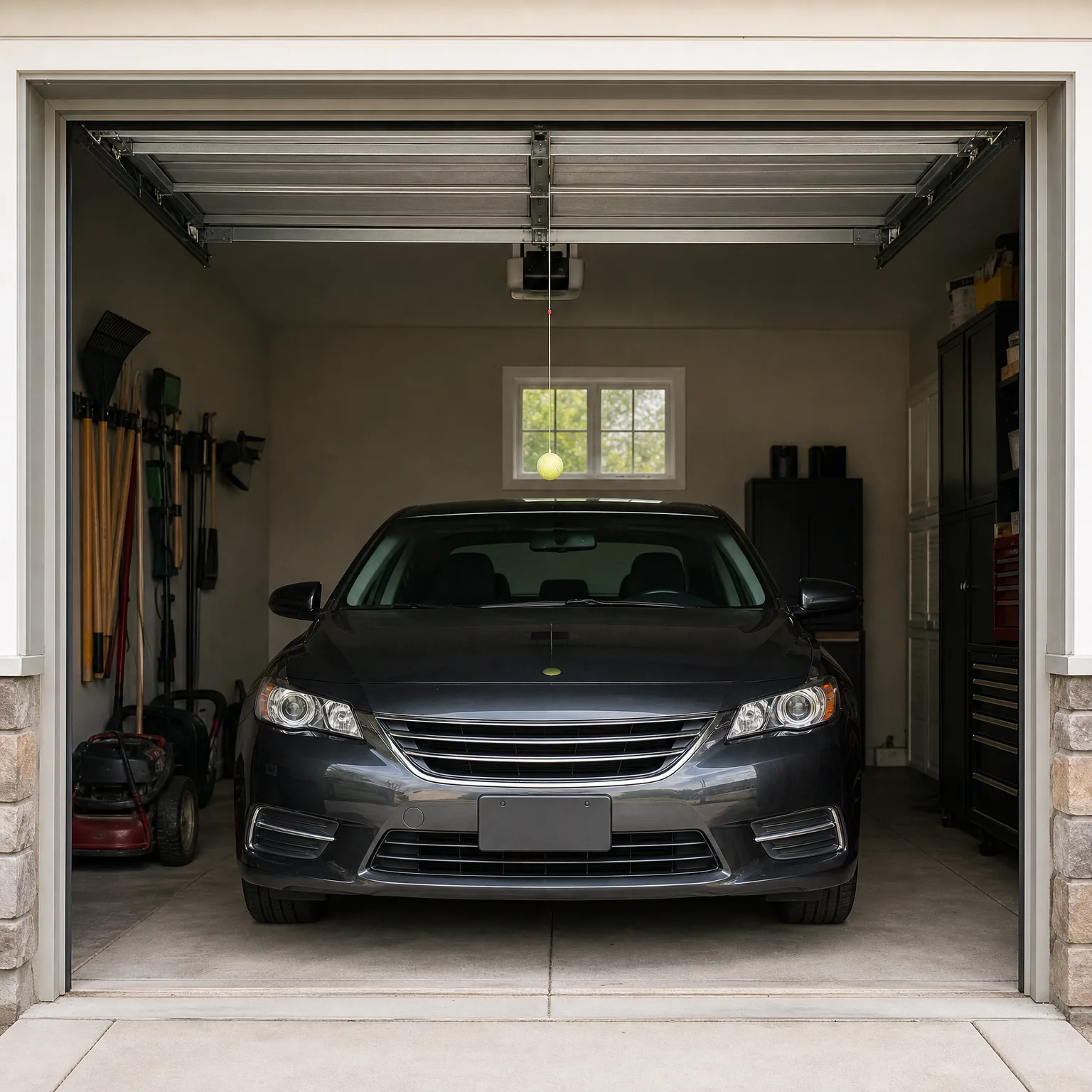
Where the car is garaged most of the year
Insurers price a policy partly on the address where a car is usually kept, because that address carries its own theft rates, weather, and claim history. If you split time between two homes, the car at each one should be rated for wherever it actually sits most.
Some drivers keep a vehicle permanently at the second home and use it only seasonally. In that case, ask your insurer whether that car should be listed with a different garaging address than your main policy, even if you're still the one insuring it.
This matters most when the two homes are in different states. Insurance is regulated state by state, so a car garaged in a different state from where your policy was written can need its own policy there, not just an update to your current one. Ask your insurer directly whether your state requires this.
How little the car gets driven
A car that sits for months at a time is still a car your insurer is covering for theft, weather, and liability even when it's not moving. Some insurers offer a lower rate for low mileage or seasonal use, but only if you tell them the car isn't driven year-round.
Don't assume a car is cheaper to insure just because it's parked most of the year. Ask your insurer directly whether they have a seasonal or low-mileage option and what they need from you to apply it, such as an odometer reading or an estimate of annual miles.
If you're tempted to let coverage lapse while the car sits unused, don't. A gap in coverage can mean no protection if something happens to the parked car, and it can also raise your rate later when insurers see a lapse on your record.
Questions people ask about this
Do I need a separate insurance policy for a car at my second home?
It depends on whether the second home is in the same state as your main policy. If it's a different state, ask your insurer whether state law requires a policy written there, since insurance rules are set state by state.
Does my auto insurance follow me to another state when I'm there part of the year?
Your policy generally covers you while traveling or staying temporarily in another state, but living there part of the year is different from a trip. Ask your insurer where the line is drawn for your situation.
Will my rate go down if I only drive my car a few months a year?
Only if your insurer has a seasonal or low-mileage option and you report the reduced use to them. A lower rate isn't automatic just because the car sits parked most of the year.
What happens to my coverage if I don't drive my car for months?
The car is still covered for things like theft or weather damage as long as the policy stays active. Don't let coverage lapse to save money, since a gap can leave the parked car unprotected and can raise your rate later.
Do I need to tell my insurer which home my car is usually parked at?
Yes. The garaging address is part of how your premium is set, and it should reflect where the car actually spends most of its time, not just your mailing address.
See what it could cost to insure a car the way you actually use it.
Before your next trip to the second home, call your insurer and tell them exactly how the car is used there, including how long it sits and where it's parked. Ask whether that state requires its own policy, and whether a seasonal or low-mileage discount applies. Have your current policy and the second home's address on hand for that call. If you're adding a car at the new location, ask what documents they need, such as proof of address or a vehicle registration. Do this before the car sits for the season, not after something happens to it.