
Seizure Disorder and Driving in Colorado: Waiting Periods for Seniors
Free to compare
Colorado's Seizure-Free Waiting Period: What Senior Drivers Need to Know
Colorado requires a minimum 3-month seizure-free period before the Department of Motor Vehicles will reinstate your driving privileges after a seizure diagnosis or event. That 3-month clock starts from the date of your last seizure, not from the date of diagnosis or when you submit medical paperwork.
The Medical Review Unit can extend that waiting period to 6 months or 12 months depending on seizure type, frequency, medication compliance, and your neurologist's assessment. Complex partial seizures, medication non-compliance, or multiple seizure types within a short period typically trigger longer waiting periods. The DMV makes the final determination after reviewing your physician's Medical Evaluation for Driver Licensing form.
Senior drivers often face longer review periods because the Medical Review Unit weighs age-related factors like medication interactions with other prescriptions, cognitive processing speed, and whether the seizure was an isolated event or part of a broader neurological pattern. If you're managing multiple chronic conditions alongside a new seizure diagnosis, expect additional scrutiny.

Medical Certification Process: Forms, Physicians, and Timeline
Your neurologist or treating physician must complete Colorado's Medical Evaluation for Driver Licensing form (DR 2903) before the DMV will consider reinstatement. This form documents seizure type, date of last event, current medications, compliance history, and the physician's professional opinion on your fitness to drive. The form expires after 6 months, so if your case takes longer than that to resolve, you'll need updated documentation.
The DMV's Medical Review Unit reviews the form and may request additional testing or specialist evaluations. Neuropsychological testing, EEG results, and medication blood-level reports are common follow-up requests for senior drivers. Each additional request adds 2 to 4 weeks to the timeline.
Once approved, you receive a letter stating you're medically cleared to drive. That letter does not automatically reinstate your license if it was previously surrendered or suspended. You must visit a DMV office with the clearance letter, pay the reinstatement fee, and in some cases retake the written and road tests if your suspension exceeded 12 months.

Restricted Licenses: Driving for Medical Appointments and Essentials
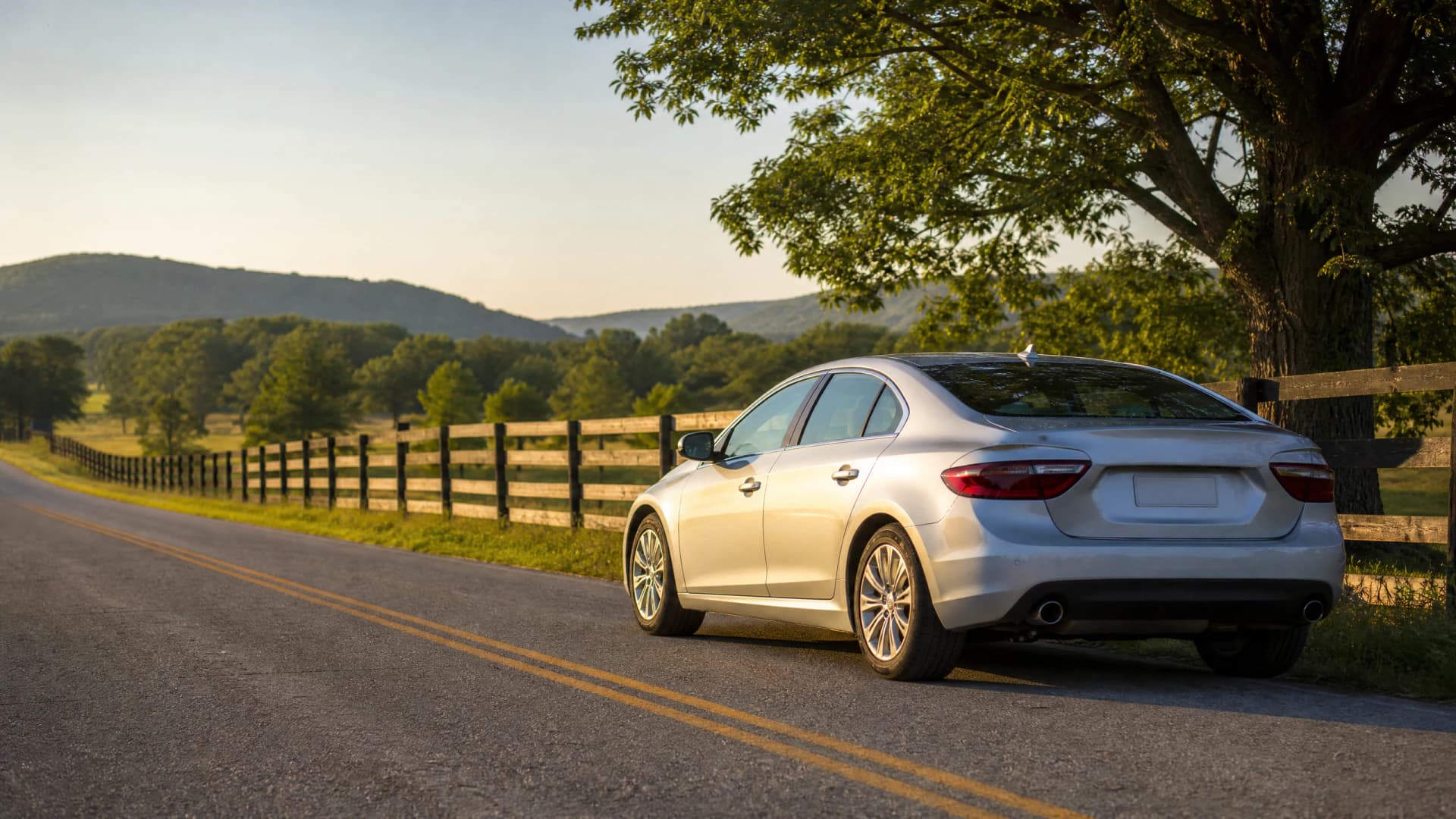
Colorado allows restricted licenses for drivers in seizure-free waiting periods who need transportation for medical care, groceries, or other essential activities. You can apply for a restricted license after completing the first 3 months seizure-free, even if the Medical Review Unit has extended your total waiting period to 6 or 12 months.
Restricted licenses limit driving to specific times of day, defined routes, and essential purposes only. Most senior drivers receive daylight-only restrictions within a 10 to 25-mile radius of home. Violations void the restricted license immediately and reset your seizure-free waiting period.
The application requires your neurologist's written support, proof of seizure control, and a detailed explanation of why alternative transportation isn't feasible. Rural Colorado counties grant restricted licenses more readily than Front Range urban areas where public transit and ride services are more available.
Insurance Disclosure Requirements: What You Must Report
Colorado law does not require you to proactively notify your auto insurance carrier about a seizure diagnosis or license suspension. However, your policy contract almost certainly includes a clause requiring you to report any license suspension, medical restriction, or change in driving eligibility within 30 days.
If you don't report and later file a claim, the carrier can deny coverage based on material misrepresentation. That denial applies even if the seizure had nothing to do with the accident. Senior drivers on fixed incomes cannot afford claim denials on paid-off vehicles they've insured for decades.
When you report, the carrier will request medical documentation, ask about seizure frequency and control, and may non-renew your policy at the next renewal date. Non-renewal is not the same as cancellation. You keep coverage through the current term, but you'll need to shop for a new carrier before renewal. State Farm, Farmers, and American Family have underwriting programs for drivers with controlled seizure disorders. Expect rates 20% to 40% higher than your pre-diagnosis premium.

See What Drivers Over 65 Are Paying Now
See If You Qualify for Discounts
How Carriers Underwrite Senior Drivers with Seizure Histories
Auto insurance carriers classify seizure disorders into controlled and uncontrolled categories. Controlled means seizure-free for at least 12 consecutive months with documented medication compliance and physician clearance. Uncontrolled means any seizure activity within the past 12 months, medication adjustments, or physician uncertainty about long-term control.
Senior drivers with controlled seizure disorders can qualify for standard or preferred rates with most major carriers after 12 to 24 months of documented seizure freedom. Drivers in the uncontrolled category are placed in non-standard programs with higher premiums, shorter policy terms, and annual medical re-certification requirements.
Carriers review your neurologist's reports, prescription refill history, and DMV medical clearance letters. Missing medication refills, delayed neurologist appointments, or gaps in medical documentation trigger rate increases or non-renewal. Your driving record during the seizure-free period matters more than it did before the diagnosis. A single at-fault accident or moving violation can result in non-renewal even if you've been seizure-free for years.

What Happens If You Have a Seizure While Driving
If you have a seizure while operating a vehicle in Colorado, you are legally required to report it to the DMV within 10 days. Your physician is also required to report under Colorado's mandatory reporting statute for conditions that impair safe driving. Failure to self-report can result in license revocation, fines, and criminal liability if an accident occurs.
Your license is immediately suspended upon report, and the seizure-free waiting period resets to a minimum of 3 months. If this is a second or third event, the Medical Review Unit typically extends the waiting period to 12 months and may require you to surrender your license permanently depending on seizure frequency and neurologist recommendation.
Your insurance carrier will be notified of the suspension through routine MVR checks. Most carriers run MVR reports every 6 months for senior drivers. Once the suspension appears, expect non-renewal at your next policy term. If the seizure caused an accident, the carrier will pay the claim under your current policy but will not renew coverage. You'll need to find a non-standard carrier willing to write a policy for a driver with both a recent seizure event and an at-fault accident.
Coverage Adjustments for Senior Drivers Managing Seizure Risk
If you're in a seizure-free waiting period and no longer driving, drop collision and comprehensive coverage on any vehicle you're not operating. Keep liability coverage active on all titled vehicles in your name even if parked. Colorado requires continuous liability coverage on all registered vehicles regardless of use.
Once reinstated, consider increasing your liability limits to 100/300/100 or higher. Senior drivers with documented seizure histories face higher lawsuit risk after accidents because plaintiff attorneys argue you knew about the condition and chose to drive anyway. Higher liability limits protect retirement assets and home equity.
Medical payments coverage becomes more important if you're managing a seizure disorder. Medicare covers accident-related injuries, but medical payments coverage pays immediately without waiting for fault determination or Medicare processing. A $5,000 medical payments addition costs $40 to $80 per year and covers you as a driver, passenger, or pedestrian.
Frequently Asked Questions
Can I drive in Colorado while waiting out a seizure-free period?
No, you cannot drive during the mandatory seizure-free waiting period unless you've been granted a restricted license. Colorado allows restricted licenses after the first 3 months seizure-free for essential travel only, with daylight and mileage limitations. Driving without clearance or outside restricted license terms voids insurance coverage and can result in criminal charges if an accident occurs.
Will my car insurance rates go up after a seizure diagnosis in Colorado?
Yes, expect rates to increase 20% to 40% once you're medically cleared to drive again, even if you've been seizure-free for the required period. Carriers classify you as higher risk for 3 to 5 years after diagnosis. Some carriers will non-renew rather than raise rates, requiring you to shop non-standard insurance markets.
Does Colorado require doctors to report seizure disorders to the DMV?
Yes, Colorado physicians are required to report medical conditions that impair safe driving, including seizure disorders, to the DMV's Medical Review Unit. You are also required to self-report within 10 days of any seizure event. Both reporting channels are legally mandated and failure to report can result in license revocation and liability exposure.
How long does Colorado's Medical Review Unit take to process seizure cases?
Initial review takes 4 to 8 weeks after your physician submits the Medical Evaluation for Driver Licensing form. If additional testing or specialist evaluations are requested, add 2 to 4 weeks per request. Total processing time for senior drivers with complex medical histories averages 10 to 14 weeks from first submission to final clearance decision.
Related Articles

Seizure Disorder & Driving in Nevada: Senior Guide
4/29/2026

Seizure Disorder & Idaho License: Waiting Periods
4/29/2026

Seizure Disorder Rules for Senior Drivers in Utah
4/29/2026

Alaska Seizure Disorder Driving Rules for Seniors
4/29/2026

Seizure Disorder & Driving in Montana: Senior Guide
4/29/2026

Seizure Disorder & Driving in CT: Senior Driver Guide
4/29/2026