
Seizure Disorder Onset in Oregon: What Drivers 65+ Must Know
Free to compare
What Triggers Oregon's Seizure Disorder Reporting Requirement
Oregon law requires physicians to report any patient diagnosed with a seizure disorder that may impair driving ability to the Driver and Motor Vehicle Services (DMV) Medical Review Unit within 10 days of diagnosis. This mandatory reporting applies to epilepsy, post-stroke seizures, and any condition causing recurrent loss of consciousness while awake.
The report triggers an automatic review of your driving privileges. DMV sends a notice requiring you to submit a Medical Report from your treating physician and may suspend your license pending medical clearance. For drivers 65 and older, this often coincides with age-related health screenings that identify previously undiagnosed conditions.
You cannot avoid this process by withholding the diagnosis from your doctor or DMV. Driving with a known seizure disorder without medical clearance is a Class A violation in Oregon, carrying potential criminal liability if an accident occurs.

Oregon's 6-Month Seizure-Free Waiting Period Explained
Oregon requires a minimum 6-month seizure-free period before license reinstatement after a new seizure disorder diagnosis. The waiting period begins on the date of your last seizure, not the date of diagnosis or DMV notification.
Your treating physician must submit a completed Oregon Medical Report (Form 735-7168) certifying that you have been seizure-free for at least 6 consecutive months and that your condition is controlled with medication or other treatment. The DMV Medical Review Unit evaluates the report and determines whether to reinstate full driving privileges, impose restrictions (such as daytime-only driving), or extend the monitoring period.
If you experience another seizure during the waiting period, the clock resets to zero from the date of the new seizure. For senior drivers managing multiple medications, this reset risk is significant — drug interactions, missed doses, or dosage adjustments can trigger breakthrough seizures even in previously controlled conditions.

When to Disclose a Seizure Disorder to Your Insurance Carrier
Oregon does not require you to proactively disclose a seizure disorder diagnosis to your auto insurance carrier. Your legal obligation runs to DMV and your physician, not your insurer. However, most auto insurance applications ask whether your license is currently suspended or has been suspended in the past 3 to 5 years, and whether you have any medical condition that may impair driving ability.
If you disclose a seizure disorder diagnosis before DMV has processed your medical clearance and reinstated your license, your carrier may non-renew your policy at the next renewal period. Non-renewal for a medical condition does not require the same justification as a mid-term cancellation, and Oregon law permits carriers to decline renewal based on health factors that increase actuarial risk.
The safest disclosure sequence for senior drivers: wait until your physician submits medical clearance to DMV and your license is formally reinstated without restrictions. At that point, you have documented medical control of the condition, and carriers cannot non-renew based solely on a controlled diagnosis. If your policy renewal occurs during the 6-month waiting period while your license is suspended, you must disclose the suspension when asked, but you are not required to volunteer the underlying medical cause unless the application explicitly asks.

See What Drivers Over 65 Are Paying Now
See If You Qualify for DiscountsHow Seizure Disorder Diagnosis Affects Insurance Rates for Senior Drivers
A seizure disorder diagnosis does not automatically increase your insurance premium if your license remains valid and you maintain continuous coverage. Oregon prohibits carriers from surcharging based solely on a medical diagnosis without an associated driving event (accident, citation, or license suspension).
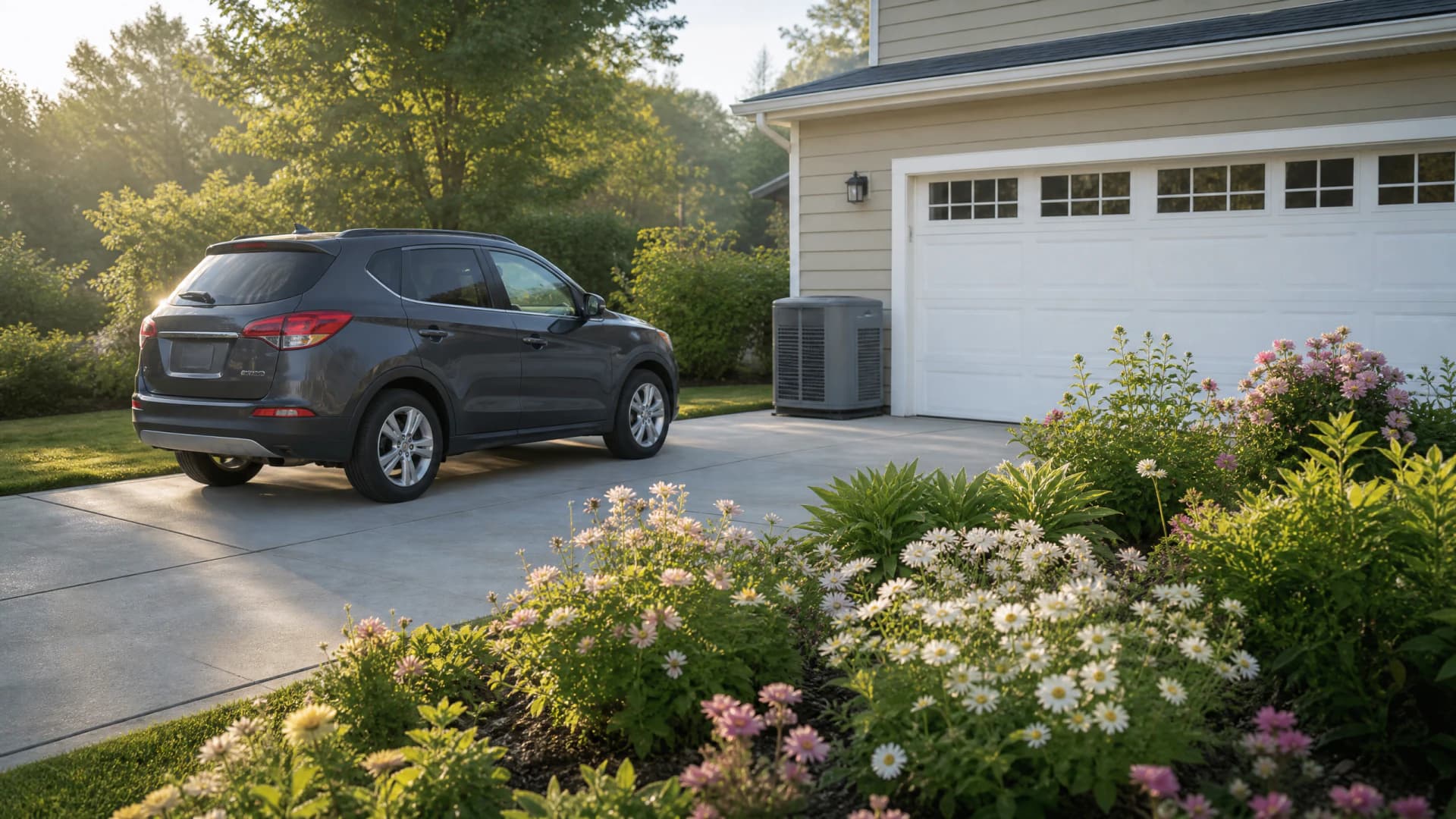
However, if your license is suspended during the 6-month waiting period, you will face a coverage gap unless you maintain your policy without driving. Most carriers offer a "parked vehicle" or "storage" policy modification that maintains comprehensive coverage (for theft, vandalism, weather damage) but removes liability and collision while your license is suspended. This costs approximately $15 to $40 per month, compared to $90 to $160 per month for full coverage on a typical senior driver policy in Oregon.
When you reinstate your license and return to active driving status, your rates typically increase 15% to 35% due to the license suspension period appearing on your MVR (Motor Vehicle Record). This surcharge applies for 3 years from the reinstatement date in Oregon. Drivers aged 70 and older face steeper increases — approximately 25% to 45% — because carriers apply both the suspension surcharge and age-based risk factors simultaneously.

Medical Payments Coverage and Seizure-Related Accidents
If you are involved in an accident during a seizure, your auto insurance liability coverage applies regardless of the medical cause. Oregon is an at-fault state, meaning the driver who caused the accident is financially responsible for injuries and property damage. A seizure does not exempt you from liability if you were driving without medical clearance or during a period when you knew your condition was uncontrolled.
Medical Payments (MedPay) coverage on your own policy pays for your medical expenses after an accident, regardless of fault. For senior drivers with Medicare, MedPay acts as secondary coverage — it pays deductibles, copays, and expenses Medicare does not cover, including ambulance transport and emergency room treatment. Oregon does not require MedPay, but it is available in limits from $1,000 to $10,000.
If your seizure disorder is documented as uncontrolled at the time of an accident, your carrier may deny coverage under the policy's "intentional acts" or "operating without a valid license" exclusion. This denial is enforceable in Oregon if DMV had formally suspended your license and you drove anyway. The denial applies to collision coverage (damage to your vehicle) but not to liability coverage for third-party injuries — Oregon law requires carriers to pay liability claims even when the driver violated policy terms, though the carrier can pursue reimbursement from you afterward.

Returning to Driving After Medical Clearance: What Senior Drivers Should Verify
Once DMV reinstates your license after the 6-month seizure-free period, verify that your insurance policy has been returned to full active driving status. If you switched to a storage or parked vehicle policy during the suspension, you must contact your carrier to reinstate liability and collision coverage before driving.
Request a current copy of your MVR from Oregon DMV before shopping for new coverage. The MVR will show the suspension period and reinstatement date. Carriers evaluate the length of the suspension and the time elapsed since reinstatement when quoting rates. If your MVR shows a suspension without a clear reinstatement date, some carriers will decline to quote until the record is corrected.
Senior drivers who maintained continuous coverage during the suspension period, even at reduced storage rates, typically receive better quotes than drivers who cancelled their policy entirely. A 6-month coverage gap can increase your quoted premium by 20% to 40% in Oregon, independent of the seizure-related suspension surcharge. If you cancelled during the suspension, expect to re-enter the market at higher risk tier pricing for the first policy term.
Frequently Asked Questions
Can I keep my car insurance active in Oregon if my license is suspended for a seizure disorder?
Yes. Most carriers allow you to convert your policy to a storage or parked vehicle status that maintains comprehensive coverage while removing liability and collision. This costs $15 to $40 per month in Oregon and prevents a coverage gap that would increase your rates when you reinstate your license.
Does Medicare cover medical expenses after a car accident caused by a seizure?
Medicare covers accident-related medical expenses, but it applies as primary coverage with standard deductibles and copays. Medical Payments (MedPay) coverage on your auto policy pays secondary and covers what Medicare does not, including ambulance transport and emergency room copays.
Will my insurance company find out about my seizure disorder diagnosis in Oregon?
Your carrier will not receive automatic notification of a seizure disorder diagnosis. However, if your license is suspended by DMV during the 6-month waiting period, the suspension will appear on your Motor Vehicle Record, which carriers review at renewal and when you request quotes.
How long does a seizure-related license suspension affect my insurance rates in Oregon?
The suspension surcharge typically applies for 3 years from your license reinstatement date in Oregon. Senior drivers aged 70 and older can expect rate increases of 25% to 45% during this period, combining both the suspension surcharge and age-related risk factors.
Related Articles

Seizure Disorder in Ohio: Driving Rules for Seniors
4/29/2026

Seizure Disorder & Driving in Oklahoma: Senior Guide
4/29/2026

Seizure Disorder & Driving in FL: Rules for Seniors
4/29/2026
Seizure Disorder & Idaho License: Waiting Periods
4/29/2026

Alaska Seizure Disorder Driving Rules for Seniors
4/29/2026

Seizure Disorder & Driving in RI: Rules for Seniors
4/29/2026