Senior Driver Car Insurance Discounts in Lincoln — Complete Guide
Free to compare
Why Lincoln Senior Drivers Must Actively Claim Discounts
Nebraska law does not mandate automatic application of senior driver discounts, even when you qualify. Most Lincoln carriers offer mature driver course discounts ranging from 5–15%, but you must submit proof of completion and request the discount be added to your policy. This isn't applied retroactively — if you completed an AARP Smart Driver course six months ago but never notified your insurer, you've already lost those savings.
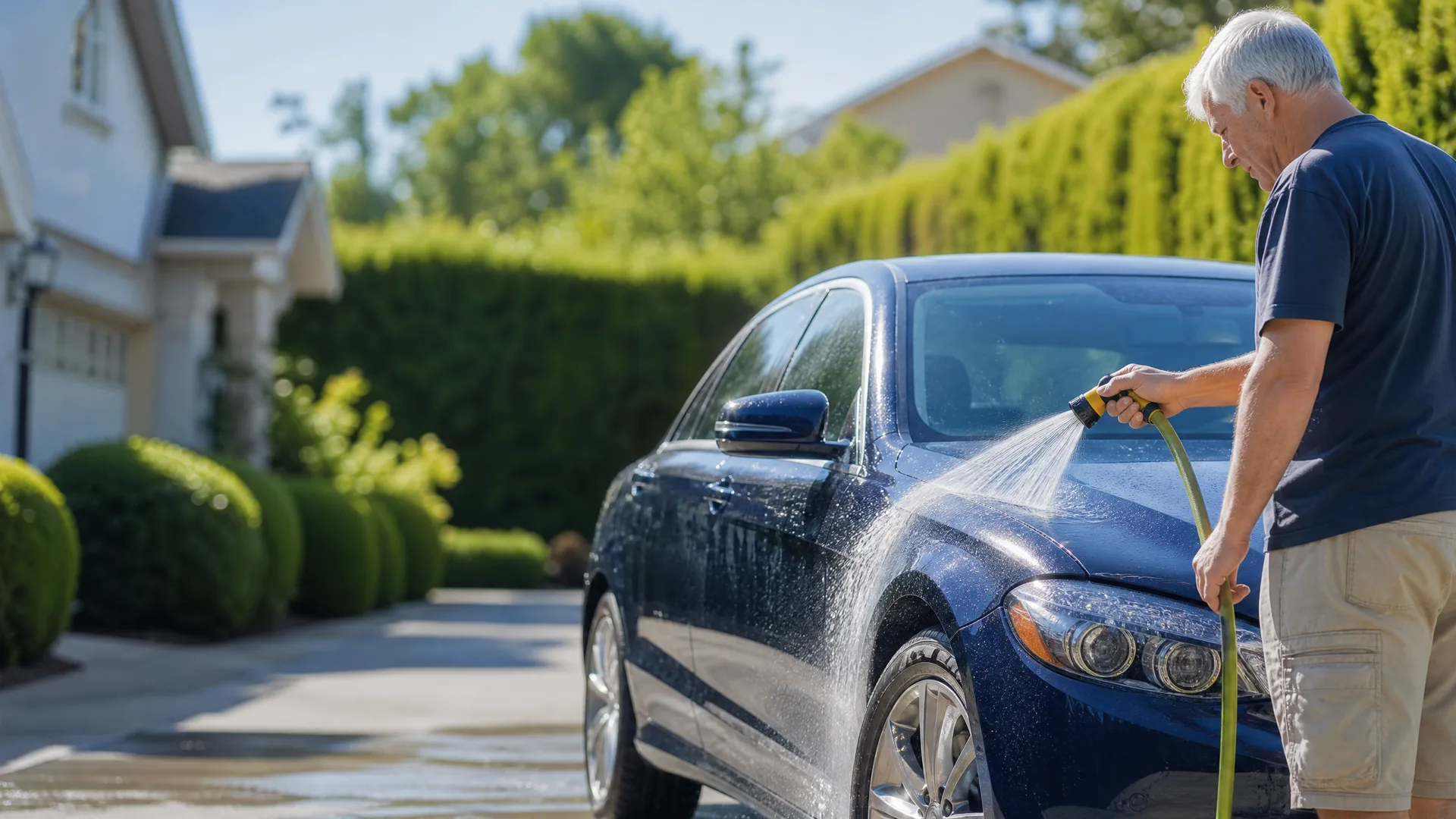
The same pattern holds for low-mileage discounts. If you retired two years ago and dropped from 12,000 annual miles to 4,500, your rate won't adjust until you contact your agent and request a mileage verification. State Farm, Nationwide, and American Family — three of Lincoln's largest carriers — all require policyholders to initiate this conversation. The discount difference on a typical Lincoln senior's policy runs $180–$320 annually for drivers under 7,500 miles per year.
This creates a structural problem: carriers have no incentive to audit your eligibility for discounts that reduce their revenue. The burden falls entirely on you to track qualifying changes — course completion, mileage reduction, vehicle safety features, membership organizations — and explicitly request each adjustment. Lincoln seniors who treat insurance as a passive annual renewal are systematically overpaying.
Nebraska's Mature Driver Course Discount: How It Works in Lincoln
Nebraska does not legally require insurers to offer mature driver discounts, but nearly all major carriers operating in Lincoln provide them voluntarily. The discount typically applies to drivers 55 and older who complete an approved defensive driving course, with savings ranging from 5% at the low end (Progressive, Farmers) to 10–15% at the high end (State Farm, AARP-affiliated programs through The Hartford).
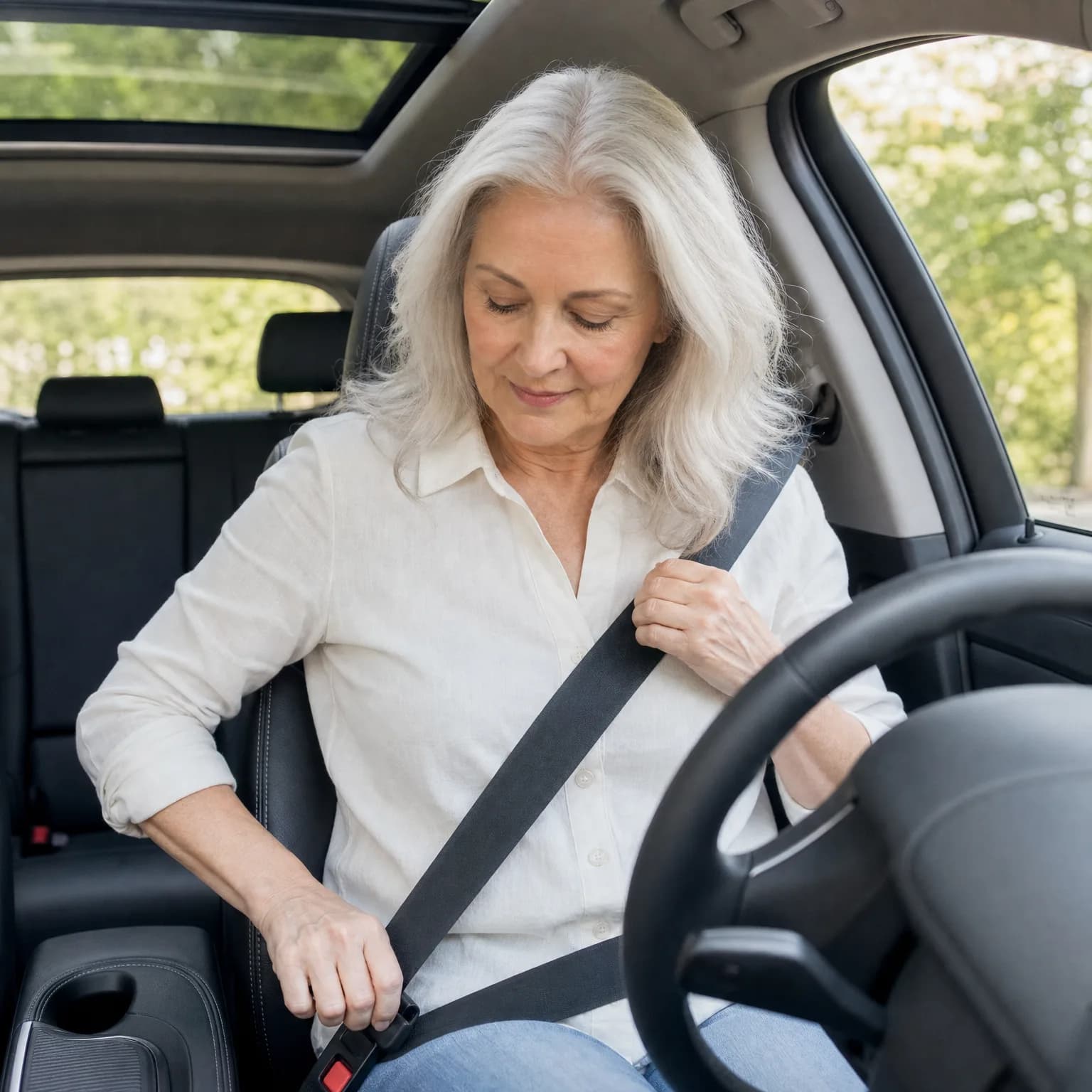
In Lincoln, the most accessible option is the AARP Smart Driver course, available both online ($25 for members, $30 for non-members) and in-person through Lincoln Area Agency on Aging locations. The course runs 4–6 hours depending on format, covers age-related vision and reaction time adjustments, and provides a certificate of completion valid for three years with most Nebraska carriers. You must submit this certificate to your insurer — it is not automatically reported.
The three-year renewal requirement matters financially. If your current premium is $1,400 annually and you qualify for a 10% mature driver discount, that's $140 saved per year, or $420 over the three-year certificate period. The course costs $25–$30, creating a net three-year return of roughly $390–$395. Yet Lincoln Area Agency on Aging reports that fewer than 30% of eligible Lancaster County seniors have completed the course in the past three years, leaving substantial premium savings unclaimed.
Timing tip: complete the course 45–60 days before your policy renewal date, then submit the certificate with a written request for the discount to be applied at renewal. If you submit mid-term, some carriers will prorate the discount from the submission date forward, but others won't apply it until the next full renewal cycle — costing you six to twelve months of savings.

Low-Mileage and Telematics Programs for Retired Lincoln Drivers
If you no longer commute to work, your annual mileage has likely dropped significantly — but your premium won't reflect that change unless you proactively request a mileage audit. Lincoln carriers typically offer tiered low-mileage discounts: 5–10% for drivers under 10,000 miles annually, 10–15% for those under 7,500 miles, and 15–20% for drivers logging fewer than 5,000 miles per year.
State Farm and Nationwide, which together insure roughly 40% of Lincoln drivers, both require you to either self-report mileage annually or submit to an odometer reading. Self-reporting without verification usually caps your discount at the lowest tier. For maximum savings, request an in-person odometer verification or provide photos with date stamps. If your actual annual mileage is 4,200 and you're still being rated at your pre-retirement 11,000, you're likely overpaying by $220–$380 annually on a typical full-coverage policy.
Telematics programs — Nationwide's SmartRide, Progressive's Snapshot, State Farm's Drive Safe & Save — offer an alternative path, particularly for senior drivers with consistently safe habits. These programs monitor braking patterns, speed, time of day, and total miles driven. Lincoln seniors who drive primarily during daylight hours, avoid rush-hour traffic, and maintain smooth driving habits often qualify for discounts of 10–25%. The trade-off: you're sharing real-time driving data with your carrier, and a pattern of hard braking or late-night trips can reduce or eliminate the discount.
One Lincoln-specific consideration: winter driving behavior heavily influences telematics scoring. If you limit driving during December through February due to ice and snow, your mileage drops and your risk exposure decreases — both factors that improve your telematics profile. Seniors who garage their vehicles during the worst winter weeks often see their largest telematics discounts applied in Q1 of the following year.

See What Drivers Over 65 Are Paying Now
See If You Qualify for DiscountsWhen Full Coverage No Longer Makes Financial Sense in Lincoln
The standard advice — maintain full coverage until your vehicle's value drops below $3,000–$4,000 — doesn't account for the specific financial reality of Lincoln seniors on fixed income. A more useful framework: if your annual collision and comprehensive premiums exceed 10% of your vehicle's current market value, you're in the decision zone where dropping to liability-only deserves serious consideration.
Example: you own a 2012 Honda Accord in good condition, currently valued around $6,500 in the Lincoln market. Your collision coverage costs $420 annually, and comprehensive runs another $180. That's $600 per year, or roughly 9.2% of the vehicle's value. If you filed a claim tomorrow and the vehicle were totaled, you'd receive $6,500 minus your deductible (typically $500–$1,000), netting you $5,500–$6,000. After two years of premiums, you've paid $1,200 for coverage on an asset that's depreciating 10–15% annually.
The math shifts further when you factor in claims history impact. A single at-fault collision claim in Nebraska typically raises your rates 20–40% for three to five years. If you're currently paying $1,100 annually for full coverage and file a $4,800 claim, your effective cost over the next three years could be $1,100 + $1,540 + $1,540 + $1,540 = $5,720 — plus the loss of your vehicle. Many Lincoln seniors with clean records and paid-off vehicles of moderate age are better served maintaining higher liability limits and self-insuring collision risk.
One critical exception: if you have limited savings and couldn't replace your vehicle out of pocket, maintaining comprehensive coverage (typically $120–$200 annually in Lincoln) protects against total-loss theft, hail damage, and deer strikes — all meaningful risks in Lancaster County. Dropping collision while keeping comprehensive is a common middle-ground strategy for Lincoln seniors driving vehicles worth $4,000–$8,000.

Medical Payments Coverage and Medicare Coordination for Lincoln Seniors
Most Lincoln seniors carry Medicare Parts A and B, which cover hospital and medical expenses after an accident. This raises a practical question: do you still need Medical Payments (MedPay) coverage on your auto policy, and if so, how much?
MedPay pays regardless of fault and covers you, your passengers, and family members injured in your vehicle. It pays out before Medicare, effectively covering your Medicare deductibles and copays. In 2024, Medicare Part A carries a $1,632 deductible per benefit period, and Part B has a $240 annual deductible plus 20% coinsurance on most services. MedPay coverage of $5,000–$10,000 typically costs Lincoln drivers $35–$65 annually and can cover these out-of-pocket costs after an accident, preventing you from dipping into savings for Medicare gaps.
Nebraska does not require MedPay, but it coordinates well with Medicare in a specific way: MedPay pays first, Medicare pays second. If you incur $8,000 in emergency room and follow-up costs after an accident and carry $5,000 in MedPay, your auto policy pays the first $5,000, then Medicare processes the remaining $3,000 under your standard coverage. Without MedPay, you're immediately into Medicare deductibles and coinsurance, potentially facing $800–$1,200 in out-of-pocket costs.
For Lincoln seniors who regularly transport grandchildren or other passengers, MedPay extends to anyone injured in your vehicle, regardless of whether they have health insurance. This is particularly relevant if you're driving uninsured or underinsured family members — MedPay covers their immediate medical bills without requiring them to file against your liability coverage or pursue their own health insurance first.

Lincoln-Specific Rate Factors and Carrier Differences for Senior Drivers
Auto insurance rates in Lincoln reflect local claim patterns, and two factors disproportionately affect senior driver premiums: deer strikes and hail damage. Lancaster County consistently ranks in Nebraska's top five counties for deer-vehicle collisions, with most incidents occurring on rural routes surrounding Lincoln and during dawn/dusk hours. Comprehensive coverage in Lincoln costs 12–18% more than the statewide Nebraska average due to this wildlife collision frequency.
Hail is the second major driver. Lincoln experiences severe hail events roughly every 18–24 months, with the most recent significant event in May 2023 causing over $140 million in insured vehicle losses across Lancaster County. Carriers operating in Lincoln — particularly State Farm, Farmers, and American Family — have adjusted comprehensive deductibles and premiums accordingly. If you garage your vehicle and have flexible coverage needs, consider a higher comprehensive deductible ($1,000 instead of $500) to reduce annual premiums by $80–$140, then self-insure minor hail dimpling that doesn't affect vehicle function.
Carrier choice matters significantly for Lincoln seniors. State Farm, the largest auto insurer in Lancaster County, tends to offer the most competitive rates for drivers 65–74 with clean records but increases rates more steeply after age 75. Auto-Owners and American Family show flatter age-based curves, making them worth comparing if you're approaching or past 75. AARP's program through The Hartford specifically targets drivers 50+ and bundles the mature driver discount automatically upon course completion, eliminating the need to request it separately — a structural advantage for seniors who prefer simplified administration.
Frequently Asked Questions
Do I have to retake the mature driver course every three years in Nebraska?
Yes, most Nebraska carriers require you to complete an approved defensive driving course every three years to maintain the mature driver discount. The AARP Smart Driver course offers a shorter 4-hour renewal version for drivers who've previously completed the full course, and the discount remains active until your certificate's three-year expiration date.
Will my Lincoln car insurance automatically go up when I turn 75?
Not automatically, but most carriers begin applying age-based rate increases between 75 and 80, with the steepest increases typically starting after age 75. The increases range from 10–25% depending on carrier and your driving record, but maintaining a mature driver course discount and clean record can partially offset these adjustments.
Can I drop collision coverage but keep comprehensive on my paid-off car in Lincoln?
Yes, collision and comprehensive are separate coverages, and dropping collision while maintaining comprehensive is a common strategy for Lincoln seniors with older paid-off vehicles. This protects against deer strikes, hail damage, and theft (all significant Lancaster County risks) while eliminating the higher-cost collision premium on a depreciating asset.
Does AARP membership give me a car insurance discount in Lincoln?
AARP membership itself doesn't provide a discount with most carriers, but it gives you access to The Hartford's AARP Auto Insurance Program, which offers rates specifically designed for drivers 50+ and automatically applies the mature driver discount once you complete the AARP Smart Driver course. You'll need to compare this against your current carrier to determine if it saves you money.
How do I prove my mileage dropped after retirement to get a low-mileage discount?
Contact your Lincoln agent and request a mileage verification, which typically involves either an in-person odometer reading, dated odometer photos, or enrollment in a telematics program that automatically tracks your mileage. Self-reporting without verification usually qualifies you only for the smallest discount tier, so documented proof is worth the effort for maximum savings.
Related Articles

Convert Joint Auto Insurance After Spouse Dies | Wisconsin
4/29/2026

Oregon License Renewal at 85: Testing & Insurance Impact
4/29/2026

MO License Renewal at 75: Tests, Restrictions & Rates
4/29/2026

Surviving Spouse Auto Insurance in Colorado: Transfer Rules
4/29/2026

Car Insurance After 70: Lower Rates Despite Increases
4/1/2026

Spouse Died in Hawaii: Convert Joint Auto Policy
4/29/2026