
Senior Driver Car Insurance in Orlando: Best Rates Guide
Free to compare
Why Orlando Senior Drivers See Rate Increases Despite Clean Records
Auto insurance rates in Florida typically rise 12–18% for drivers between ages 65 and 75, with steeper increases after age 70, even when your driving record remains spotless. Orlando-area carriers factor in actuarial age brackets that have nothing to do with your individual safety record — they're pricing based on population-level statistics, not your 40 years without a claim.
This creates a gap most senior drivers never recognize: you're being moved into higher-cost age bands automatically, but the discounts you now qualify for require you to ask. Carriers in Florida are not required to notify you when new discount programs become available, and renewal notices rarely flag unclaimed reductions. The result is a silent premium creep that many Orlando seniors attribute to general inflation rather than unclaimed eligibility.
Florida does mandate one specific protection: carriers must offer a mature driver course discount, typically 5–10% on most coverage types, but fewer than 30% of eligible drivers have taken the course and requested it. If you completed a state-approved defensive driving course in the past three years and never told your insurer, that discount is sitting unclaimed on every renewal you've received since.

Florida's Mature Driver Course Discount: The Most Underutilized Savings Tool
Florida Statute 627.0652 requires all auto insurers doing business in the state to offer premium reductions to drivers who complete an approved mature driver improvement course. The discount applies to drivers age 55 and older, and most carriers provide 5–10% off liability, collision, and comprehensive premiums for three years after course completion. For an Orlando senior paying $140/mo for full coverage, that's $84–$168 in annual savings.
The course is available online through AARP, AAA, and the National Safety Council, typically costs $20–$30, and takes 4–6 hours to complete. You can finish it in segments over several days. Once you pass, the provider issues a certificate that you submit directly to your insurer — but here's the critical step most seniors miss: you must contact your carrier and explicitly request the discount be applied. It does not happen automatically, even after the certificate is on file.
Orlando drivers who completed the course more than three years ago need to retake it to maintain eligibility. The discount resets with each new completion, so calendar a reminder for month 34 after your last certificate date. Some carriers process the discount retroactively to your certificate issue date if you submit within 30 days, but most apply it only from your next renewal — another reason to complete the course 60–90 days before your policy renews.

Low-Mileage and Usage-Based Programs for Retired Orlando Drivers
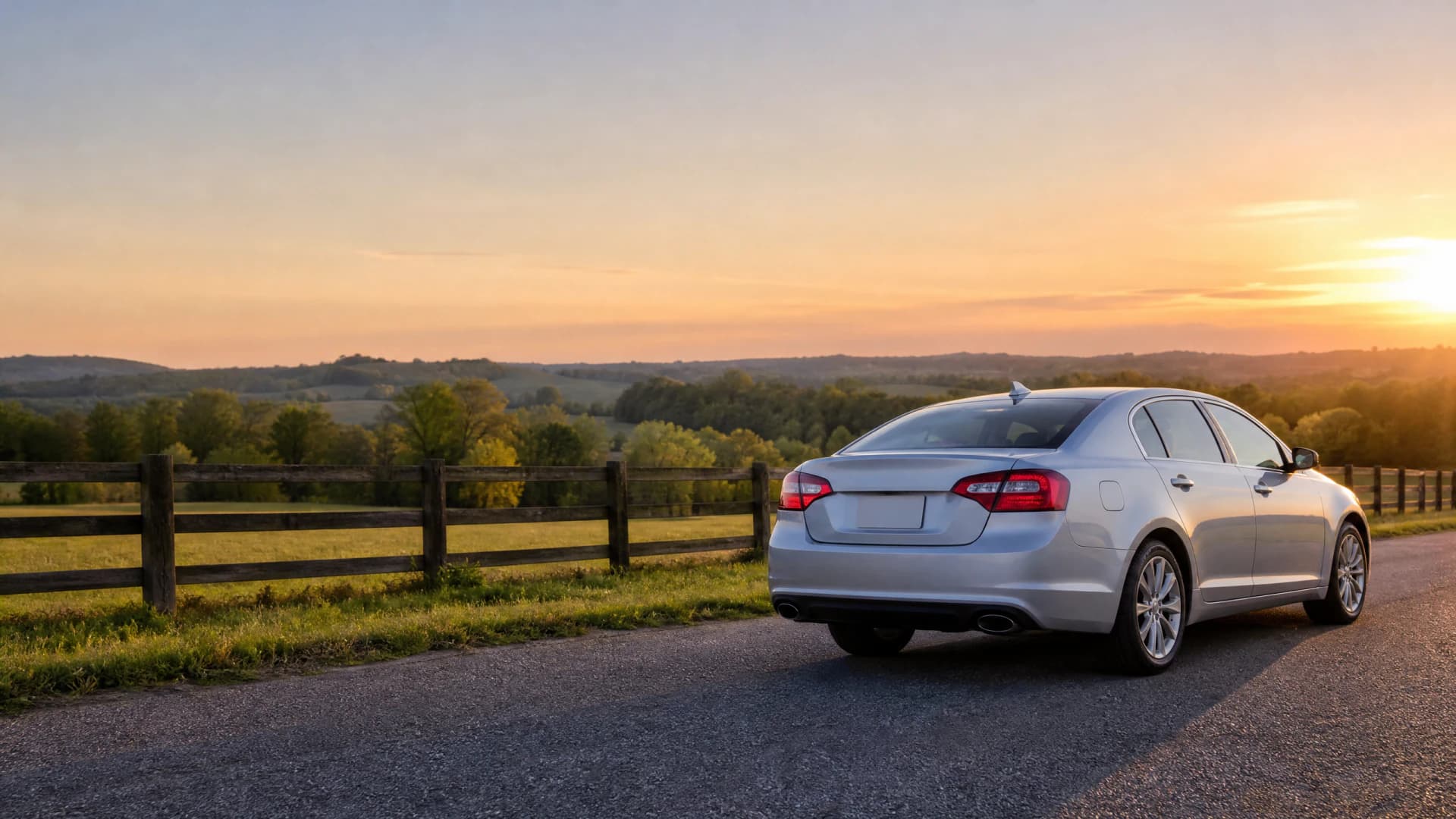
If you no longer commute to work, your annual mileage has likely dropped 40–60% compared to your working years. Orlando senior drivers who now drive primarily for errands, medical appointments, and social activities typically log 6,000–8,000 miles per year, well below the 12,000–15,000 mile baseline most policies assume. That gap represents unclaimed savings.
Most major carriers in Florida now offer low-mileage discounts starting at 7,500 annual miles or less, with deeper reductions at 5,000 miles and below. Geico, State Farm, and Progressive all provide 5–20% discounts based on verified odometer readings or telematics tracking. You'll need to provide an odometer photo at policy start and renewal, or agree to a mileage verification process. Some carriers require a telematics device or smartphone app; others accept annual declarations with spot audits.
Usage-based insurance (UBI) programs like Progressive's Snapshot or State Farm's Drive Safe & Save track not just mileage but also braking patterns, time of day, and speed. Orlando seniors who drive primarily during daylight hours, avoid rush-hour I-4 congestion, and make gentle stops often see 10–30% reductions. The programs do require a 90-day monitoring period, and your rate adjusts based on actual data — if you frequently drive late at night or make hard stops, the discount shrinks. Request a no-penalty trial period so your current rate is protected during the monitoring phase.
When Full Coverage No Longer Makes Financial Sense in Orlando
If you own a paid-off vehicle worth less than $4,000–$5,000, the math on collision and comprehensive coverage often breaks against you. Orlando seniors paying $60–$80/mo for full coverage on a 2012 sedan worth $3,500 will recover at most one total-loss payout after deductible — and if your deductible is $500 or $1,000, the maximum net claim is $2,500–$3,000. That's 30–50 months of premiums for a single-use benefit.
The calculation depends on three variables: current vehicle value (use Kelley Blue Book or NADA as your baseline), your collision and comprehensive premiums isolated from liability costs, and your deductible. If annual collision and comprehensive premiums exceed 10–15% of your vehicle's value, you're self-insuring inefficiently. Dropping to liability-only coverage and banking the premium difference often makes more financial sense, especially if you have emergency savings to cover a replacement vehicle.
Florida's minimum liability requirements are among the lowest in the nation: $10,000 property damage liability and $10,000 personal injury protection (PIP), with no bodily injury liability mandate. That minimum is dangerously inadequate — a single at-fault accident causing injury can generate six-figure claims. Even when dropping collision and comprehensive, Orlando seniors should maintain liability limits of at least 100/300/100 ($100,000 per person injury, $300,000 per accident injury, $100,000 property damage) to protect retirement assets from lawsuit exposure.

See What Drivers Over 65 Are Paying Now
See If You Qualify for Discounts
How Medicare Interacts with Florida PIP Coverage for Senior Drivers
Florida requires all auto policies to include personal injury protection (PIP), which covers 80% of medical expenses up to $10,000 per person after an accident, regardless of fault. For Orlando seniors enrolled in Medicare, this creates a coordination-of-benefits question most drivers never think through: which coverage pays first, and does it matter?
Medicare is generally the secondary payer when another insurance source exists, meaning your PIP coverage pays first up to its limit, then Medicare covers eligible expenses beyond that. If you're injured in an auto accident and incur $15,000 in medical costs, PIP would cover $8,000 (80% of $10,000), and Medicare would process the remaining $7,000 under Part A or Part B rules, subject to deductibles and coinsurance. This sequencing protects Medicare funds and ensures you're not paying out-of-pocket for costs PIP should cover.
The practical implication: even with comprehensive Medicare coverage, you cannot waive PIP in Florida unless you meet specific statutory exemptions, and doing so would leave you exposed to the 20% PIP doesn't cover plus any costs above the $10,000 cap before Medicare steps in. Some Orlando seniors mistakenly believe Medicare eliminates the need for robust auto medical coverage — it doesn't. If you're at fault in a serious accident involving passengers or other drivers, PIP covers your medical costs but does nothing for others' injuries unless you carry optional bodily injury liability, which Florida does not require but financial prudence demands.

Comparing Orlando Carrier Rates: Where Senior Discounts Vary Most
Premium variation for the same coverage profile among Orlando carriers can exceed 40–60% for senior drivers, and the cheapest option at age 65 is rarely the cheapest at age 75. Geico and Progressive tend to offer competitive base rates for younger seniors with clean records, while State Farm and USAA (for eligible military families) often provide better pricing stability as you age into your mid-70s.
Discount stacking makes comparison complex. One carrier might offer a 10% mature driver discount but no low-mileage program, while another provides 15% for mileage but only 5% for course completion. The combination matters more than any single discount. When comparing quotes, provide identical coverage limits and deductibles, confirm all applicable discounts are applied (mature driver, low-mileage, multi-policy if you bundle home or umbrella coverage), and request quotes that project rates at ages 70 and 75 so you can see anticipated increases.
Orlando's no-fault PIP requirement and higher-than-average uninsured motorist rates (an estimated 20–26% of Florida drivers lack insurance) mean your uninsured motorist coverage is not optional cosmetic protection — it's essential financial defense. When rate-shopping, do not sacrifice UM/UIM limits to lower your premium. A $30/mo savings becomes irrelevant when an uninsured driver totals your car and injures you, leaving you to cover losses out-of-pocket or through your own collision and medical coverage.
Action Plan: Recovering Unclaimed Discounts and Right-Sizing Coverage
Start by requesting a full discount eligibility review from your current carrier within the next 7 days — not at renewal, now. Specifically ask whether you're receiving mature driver, low-mileage, defensive driving, multi-policy, and loyalty discounts. If you haven't taken Florida's approved mature driver course, enroll this month and submit your completion certificate with a written request to apply the discount retroactively to your certificate date if your policy renews within 30 days.
Next, calculate whether collision and comprehensive coverage still justify their cost on any paid-off vehicles. Pull your current policy declarations page, isolate the collision and comprehensive premiums (usually listed separately from liability), and compare that annual cost to your vehicle's current value minus your deductible. If the ratio exceeds 10%, model what your emergency fund would need to cover a total loss, and whether reallocating those premiums to savings makes more sense than continuing coverage.
Finally, gather comparison quotes from at least three carriers you don't currently use, providing identical coverage specs and confirming all senior-specific discounts are applied before comparing bottom-line premiums. Request that quotes include projected rates at ages 70 and 75 so you can evaluate not just today's price but the trajectory. Most Orlando seniors who complete this three-step process within 30 days recover $150–$400 annually in unclaimed discounts or eliminate coverage that no longer serves their financial position.
Frequently Asked Questions
Does Florida require car insurance companies to give senior driver discounts?
Florida law requires all auto insurers to offer a mature driver course discount to drivers age 55 and older who complete a state-approved defensive driving program, typically 5–10% off most coverage types for three years. However, the discount is not automatically applied — you must complete the course, submit your certificate, and explicitly request the reduction from your carrier.
Can I drop collision coverage on my paid-off car in Orlando and just keep liability?
Yes, Florida does not require collision or comprehensive coverage on any vehicle, even financed ones (though lienholders do). If your car is paid off and worth less than 10–15 times your annual collision and comprehensive premiums, dropping to liability-only often makes financial sense, provided you maintain adequate liability limits to protect your assets.
How does Medicare work with Florida PIP coverage after a car accident?
PIP pays first up to its $10,000 limit (covering 80% of eligible medical costs), then Medicare becomes the secondary payer for additional expenses. You cannot waive PIP in Florida even with Medicare, and both coverages working together provide stronger protection than either alone, especially for accidents involving serious injuries that exceed PIP limits.
Will my Orlando car insurance rates keep going up as I get older even if I never have an accident?
Most carriers increase premiums for drivers as they move through age brackets from 65 to 75 and beyond, typically 12–18% over that decade, regardless of individual driving record. However, actively claiming mature driver discounts, low-mileage programs, and comparison-shopping every 2–3 years can offset or even reverse those increases for many senior drivers.
What happens if I get a speeding ticket as a senior driver in Florida?
A single minor violation typically raises your premium 15–25% at your next renewal and remains on your driving record for three years in Florida. If you've accumulated points on your license, understanding how driving record affects senior insurance can help you navigate rate increases and find coverage that accounts for both your experience and recent violations.
Related Articles

Convert Joint Auto Insurance After Spouse Dies | Wisconsin
4/29/2026

Oregon License Renewal at 85: Testing & Insurance Impact
4/29/2026
MO License Renewal at 75: Tests, Restrictions & Rates
4/29/2026

Surviving Spouse Auto Insurance in Colorado: Transfer Rules
4/29/2026

Car Insurance After 70: Lower Rates Despite Increases
4/1/2026

Spouse Died in Hawaii: Convert Joint Auto Policy
4/29/2026