
Senior Driver Car Insurance in San Francisco: Best Rates Guide
Free to compare
Why San Francisco Rates Differ for Senior Drivers After 65
San Francisco car insurance operates in a compressed geographic market where your specific neighborhood determines as much as your age. Senior drivers aged 65–70 in the Richmond District typically pay $115–$165/month for full coverage on a paid-off sedan, while identical coverage in the Tenderloin or Mission runs $185–$240/month due to theft and collision frequency. California prohibits age-based rate increases after 65, but carriers adjust premiums using ZIP code, annual mileage, and vehicle age — factors that change significantly when you stop commuting downtown.
Most San Francisco seniors notice their first post-retirement premium increase within 12–18 months, not because of their age but because their carrier hasn't updated their annual mileage estimate. If you're still coded for 12,000+ miles annually but now drive 6,000, you're overpaying by an average of $65–$95/month with most major carriers. State Farm, CSAA, and Wawanesa all offer low-mileage discounts starting at 7,500 annual miles, but none apply it automatically — you must contact your agent and request a mileage verification.
San Francisco's mandatory parking permit system and congestion pricing proposals also create leverage. If your vehicle is garaged rather than street-parked, and you avoid peak-hour downtown driving, you qualify for additional risk-reduction discounts that many seniors don't realize exist. Mercury and Progressive both offer ZIP-code-specific discounts for drivers who avoid Financial District and SoMa corridor hours, which aligns naturally with retirement schedules.
California's Mature Driver Course Discount: How It Works in San Francisco
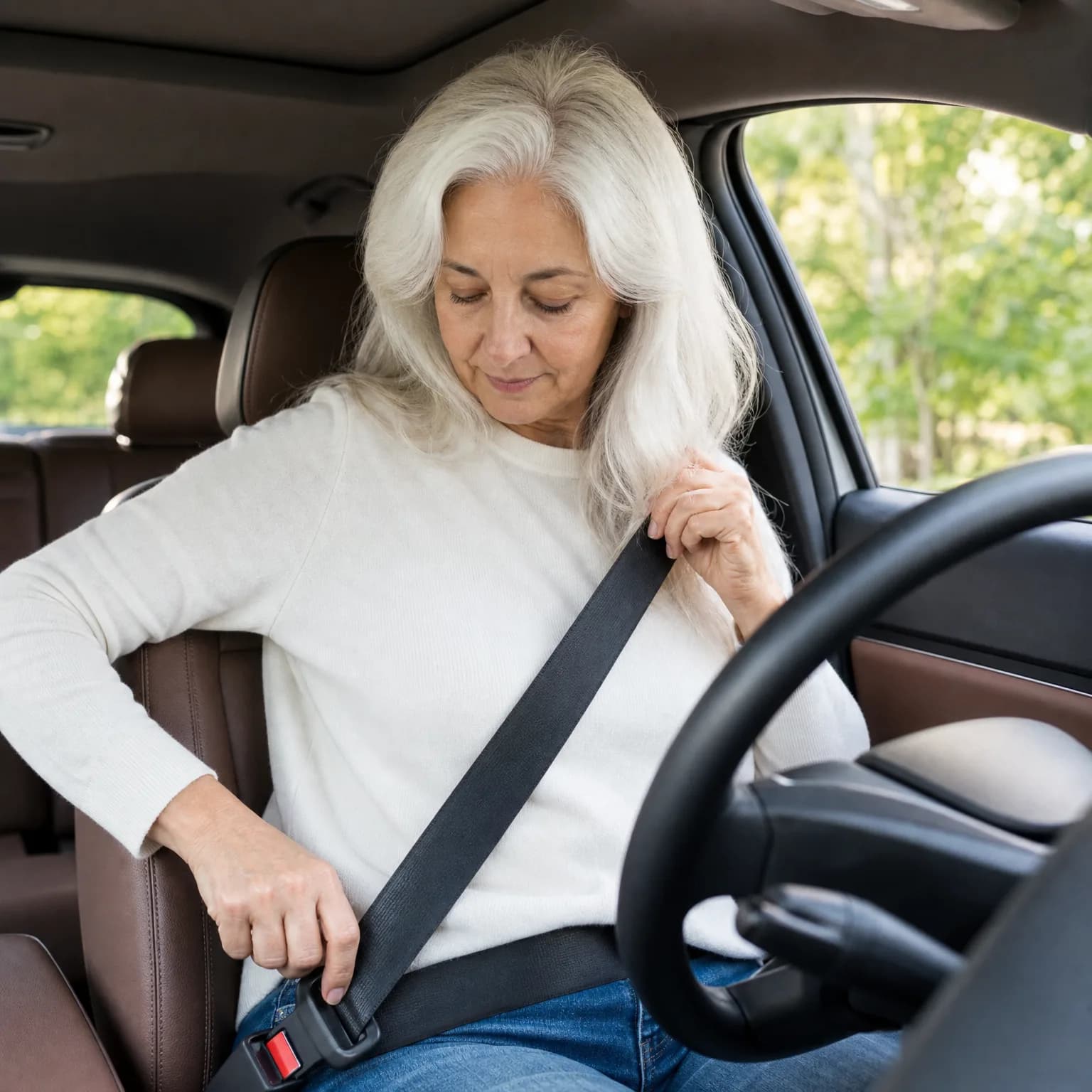
California mandates that all auto insurers offer a discount to drivers 55 and older who complete an approved mature driver improvement course, but the discount percentage varies by carrier and is not automatically applied. In San Francisco, this discount typically ranges from 5% to 15% of your total premium, translating to $7–$22/month savings for drivers paying $140/month for full coverage. AARP and AAA both offer California DMV-approved courses available online or in-person at San Francisco locations, with completion certificates valid for three years.
The course itself runs 4–8 hours depending on format, costs $20–$35, and covers defensive driving techniques, California-specific traffic law updates, and intersection navigation strategies relevant to San Francisco's complex grid and hill intersections. You don't retake a driving test — just complete the coursework and receive a certificate. Most carriers apply the discount within one billing cycle after you submit the certificate, but some require you to renew your policy first, delaying savings by several months.
San Francisco seniors often overlook that this discount stacks with low-mileage and vehicle safety discounts. A 68-year-old driver with a mature driver certificate, annual mileage below 7,500, and a vehicle equipped with automatic emergency braking can combine discounts to reduce premiums by 20–30% total. CSAA and AAA (which dominate Northern California senior market share) both honor these stacked discounts, but you must explicitly confirm each one is active on your policy — renewal notices rarely itemize every discount applied.
When to Drop Comprehensive Coverage on a Paid-Off Vehicle
If your vehicle is worth less than $4,000 and you're paying more than $50/month for comprehensive and collision coverage combined, you're likely spending more over two years than you'd recover in a total-loss claim. San Francisco seniors driving paid-off 2012–2016 sedans in good condition face this calculation frequently: a vehicle worth $3,500 with a $500 deductible yields a maximum payout of $3,000, while comprehensive and collision premiums average $55–$75/month, or $1,320–$1,800 over two years.
Dropping to liability-only coverage in San Francisco reduces premiums to $65–$95/month for most senior drivers with clean records, assuming you maintain California's minimum liability limits of 15/30/5 (though 100/300/100 is recommended and adds only $15–$25/month). This adjustment makes sense if you have savings to replace the vehicle and your annual mileage is low enough that collision risk is minimal. Drivers who park in private garages and avoid Highway 101 or I-280 during commute hours face significantly lower collision probability than those navigating Lombard Street or Market Street daily.
The timing matters: initiate this coverage change mid-policy rather than waiting for renewal. Most carriers prorate the premium reduction immediately, resulting in a refund check or credit within 10–15 days. If you're 70+ and your vehicle is paid off, review your declarations page every 12 months — vehicles depreciate, and coverage that made sense at renewal two years ago may no longer be cost-justified.
Low-Mileage Programs and Telematics for San Francisco Seniors
San Francisco's walkability and Muni access mean many seniors drive far less than the California average of 10,000 miles annually. If you're below 7,500 miles per year, low-mileage programs from Metromile, CSAA, or Nationwide can reduce premiums by $40–$80/month compared to standard policies. Metromile operates on a pay-per-mile model: you pay a low monthly base rate ($35–$50) plus a per-mile charge (5–7 cents), making it cost-effective for drivers under 6,000 annual miles.
Telematics programs like Progressive's Snapshot or State Farm's Drive Safe & Save monitor braking, acceleration, and time-of-day driving. San Francisco seniors who avoid hard braking on steep hills and don't drive late at night typically score well, earning discounts of 10–25%. These programs require a 90-day monitoring period, after which your discount is set for the policy term. If you're a cautious driver who rarely exceeds 40 mph in city driving and parks in a garage, telematics often deliver better savings than mature driver courses alone.
The verification process is straightforward: most low-mileage programs require you to submit an odometer photo every six months or install a plug-in device that reports mileage automatically. San Francisco's compact geography works in your favor — errands to Safeway, doctor's appointments at UCSF, and weekly trips to the Ferry Building rarely total more than 500 miles monthly. If you're driving under 6,000 miles annually but paying premiums calculated for 12,000+, you're leaving $60–$100/month unclaimed.

See What Drivers Over 65 Are Paying Now
See If You Qualify for Discounts
Medical Payments Coverage and Medicare Coordination in California
California does not require personal injury protection (PIP), but medical payments coverage (MedPay) is widely available and functions differently than Medicare for auto accident injuries. MedPay pays immediately for accident-related medical expenses regardless of fault, with no deductible, while Medicare processes claims through standard channels with applicable deductibles and co-pays. For San Francisco seniors, adding $5,000 in MedPay costs $8–$15/month and covers ambulance transport, emergency room visits, and follow-up care before Medicare processes the claim.
Medicare does not cover auto accident injuries if another insurance source is primary, which means MedPay pays first and Medicare coordinates as secondary coverage only after MedPay limits are exhausted. This coordination prevents out-of-pocket expenses during the claims process. If you're injured as a passenger in someone else's vehicle, your own MedPay covers your injuries regardless of who was driving, which Medicare alone does not provide.
San Francisco's hospital costs amplify the value of MedPay: a single emergency room visit at Zuckerberg San Francisco General or UCSF Medical Center averages $2,500–$4,500 before any procedures. Without MedPay, you pay Medicare deductibles and co-insurance upfront, then wait for reimbursement if the at-fault driver's insurance eventually pays. MedPay eliminates that gap. Most carriers allow you to add or increase MedPay limits at any time mid-policy, not just at renewal.

Comparing Carriers for San Francisco Senior Drivers
CSAA (AAA Northern California) and Wawanesa consistently offer the lowest rates for San Francisco seniors with clean records, averaging $105–$145/month for full coverage on a paid-off sedan. State Farm and Nationwide follow closely, while Geico and Progressive typically price 15–25% higher for drivers over 65 in San Francisco ZIP codes. These differences stem from how each carrier weights neighborhood theft rates, hills and street parking risk, and age-related actuarial factors within California's regulatory constraints.
Small regional carriers like Mercury and 21st Century often underprice major competitors for seniors who bundle home and auto policies, offering combined discounts of 20–30%. If you own your home in the Sunset, Richmond, or Noe Valley, bundling can reduce your auto premium by $35–$60/month compared to standalone coverage. Most seniors request quotes from only one or two carriers — expanding to five quotes typically reveals a spread of $70–$130/month for identical coverage.
Request quotes with your actual annual mileage, garage location, and mature driver certificate already disclosed. Carriers use these inputs differently: CSAA applies garage discounts aggressively in theft-prone neighborhoods, while Wawanesa weights low mileage more heavily. If you're quoted $180/month for full coverage, request a revised quote with liability-only, 7,500 annual miles, and mature driver discount applied — the revised quote often comes back at $85–$110/month for identical liability limits.
When to Reassess Your San Francisco Auto Policy
Reassess your coverage within 30 days of any major mileage change, vehicle payoff, or relocation within San Francisco. Moving from the Mission to the Sunset can reduce premiums by $40–$70/month due to lower theft and collision claim frequency, but you must notify your carrier to trigger the ZIP code adjustment. Similarly, paying off your vehicle eliminates the lender's requirement for comprehensive and collision coverage, opening the option to reduce coverage immediately.
Annual mileage changes are the most underreported trigger. If you drove 15,000 miles annually while working and now drive 5,000 in retirement, that adjustment alone justifies a policy review and potential carrier switch. San Francisco seniors often remain with the same carrier for decades, assuming loyalty delivers better rates, but carrier pricing strategies shift every 2–3 years. A carrier that offered competitive rates in 2020 may now price 20% above market for senior drivers in your ZIP code.
Set a calendar reminder every 18 months to request quotes from three carriers, providing updated mileage, vehicle value, and any new discounts you qualify for. The process takes 20–30 minutes per carrier and frequently uncovers $50–$90/month in savings. If your premium has increased by more than 10% over two years despite no claims or violations, that's a clear signal to re-shop your coverage.
Frequently Asked Questions
Do San Francisco car insurance rates go up after age 65?
California law prohibits carriers from increasing rates based solely on age after 65, but San Francisco seniors often see premium increases due to outdated annual mileage estimates, ZIP code risk adjustments, or failure to apply mature driver discounts. Rates typically remain stable or decrease for drivers 65–75 with clean records who actively update their mileage and request available discounts.
How much does the mature driver course discount save in San Francisco?
The California-mandated mature driver course discount saves San Francisco seniors 5–15% on total premiums, typically $7–$22/month for drivers paying $140/month. The discount applies for three years after course completion and stacks with low-mileage and vehicle safety discounts, potentially reducing premiums by 20–30% combined.
Should I keep full coverage on my paid-off car in San Francisco?
If your vehicle is worth less than $4,000 and you're paying more than $50/month for comprehensive and collision coverage, dropping to liability-only typically saves $60–$100/month and becomes cost-justified within two years. San Francisco seniors with garage parking and low annual mileage face minimal collision risk, making liability-only coverage a practical choice for vehicles over 10 years old.
What is the cheapest car insurance for seniors in San Francisco?
CSAA and Wawanesa consistently offer the lowest rates for San Francisco seniors with clean records, averaging $105–$145/month for full coverage on paid-off sedans. Low-mileage programs like Metromile can reduce costs to $60–$90/month for drivers under 6,000 annual miles, while liability-only coverage from these carriers runs $65–$95/month.
Does Medicare cover car accident injuries in California?
Medicare covers auto accident injuries only after other insurance (like medical payments coverage) is exhausted, and it applies standard deductibles and co-pays. Adding $5,000 in medical payments coverage costs $8–$15/month and pays immediately for accident-related medical expenses with no deductible, eliminating out-of-pocket costs while Medicare processes claims as secondary coverage.
Related Articles
Convert Joint Auto Insurance After Spouse Dies | Wisconsin
4/29/2026

Oregon License Renewal at 85: Testing & Insurance Impact
4/29/2026

MO License Renewal at 75: Tests, Restrictions & Rates
4/29/2026

Surviving Spouse Auto Insurance in Colorado: Transfer Rules
4/29/2026

Car Insurance After 70: Lower Rates Despite Increases
4/1/2026

Spouse Died in Hawaii: Convert Joint Auto Policy
4/29/2026