
Senior Driver Insurance Comparison Guide for Cincinnati
Free to compare
Why Cincinnati Senior Drivers See Different Rate Patterns Than Suburban Ohio
Cincinnati's urban density creates specific rating dynamics for senior drivers that don't apply in Columbus suburbs or rural southern Ohio counties. Carriers price comprehensive and collision coverage higher in Hamilton County zip codes due to elevated theft and vandalism rates near downtown corridors, while liability rates reflect Cincinnati's congestion patterns on I-71, I-75, and the Norwood Lateral. Senior drivers with clean records in neighborhoods like Hyde Park, Anderson Township, or Mount Lookout often see 12–18% lower premiums than comparable drivers in Over-the-Rhine or West End, even with identical coverage limits.
Ohio doesn't mandate senior-specific discounts, but every major carrier operating in Cincinnati offers mature driver course reductions ranging from 8% to 15% that remain active for three years after course completion. The issue: these discounts require the driver to complete an approved course, submit proof of completion, and explicitly request the discount at renewal. Automatic application is rare. AARP and AAA both offer approved courses in Cincinnati, with AARP's Smart Driver course available online for $19.95 for members and AAA's course offered both online and at branch locations on Montgomery Road and Beechmont Avenue.
Rate increases for Cincinnati senior drivers typically follow predictable age bands. Between 65 and 70, most drivers with clean records see annual increases of 3–6% tied primarily to inflation and claims trends rather than age-specific adjustments. The steeper actuarial adjustments begin after age 72, when carriers apply age-based risk multipliers that can add 10–20% to premiums between 72 and 78, even with no change in driving behavior or claims history. By age 80, drivers in Hamilton County often face premiums 25–35% higher than they paid at 65, despite driving fewer miles and maintaining clean records.

Stacking Mature Driver Course and Low-Mileage Discounts in Cincinnati
The highest-value strategy for Cincinnati senior drivers combines the mature driver course discount with low-mileage or usage-based programs that reflect reduced driving after retirement. If you no longer commute downtown or to Northern Kentucky workplaces and drive under 7,500 miles annually, you likely qualify for low-mileage discounts ranging from 5% to 20% depending on the carrier and your actual annual mileage. These discounts stack with mature driver course reductions, creating combined savings of 15–30% when both apply.
Progressive offers its Snapshot telematics program in Ohio, which monitors actual mileage and driving patterns through a mobile app rather than requiring a plug-in device. For senior drivers concerned about privacy, the key data point is total miles driven — hard braking and acceleration patterns matter less for low-mileage participants. State Farm's Drive Safe & Save program similarly focuses on mileage for senior drivers, with discounts up to 30% for those driving under 5,000 miles annually. Both programs allow you to discontinue participation if the monitoring feels intrusive, though you'll forfeit the discount.
The timing matters: request the mature driver course discount immediately after completing an approved course, not at your next renewal six months later. Carriers apply the discount from the date you submit documentation, not retroactively. For low-mileage programs, enrollment typically requires a current odometer reading and occurs at policy renewal or when adding a vehicle. If you're currently paying $145/mo for full coverage on a 2016 Honda CR-V in Anderson Township and qualify for both a 10% mature driver discount and 15% low-mileage reduction, your premium drops to approximately $111/mo — a $408 annual reduction that persists as long as both qualifications remain valid.

Full Coverage vs. Liability-Only: The Paid-Off Vehicle Decision for Cincinnati Seniors
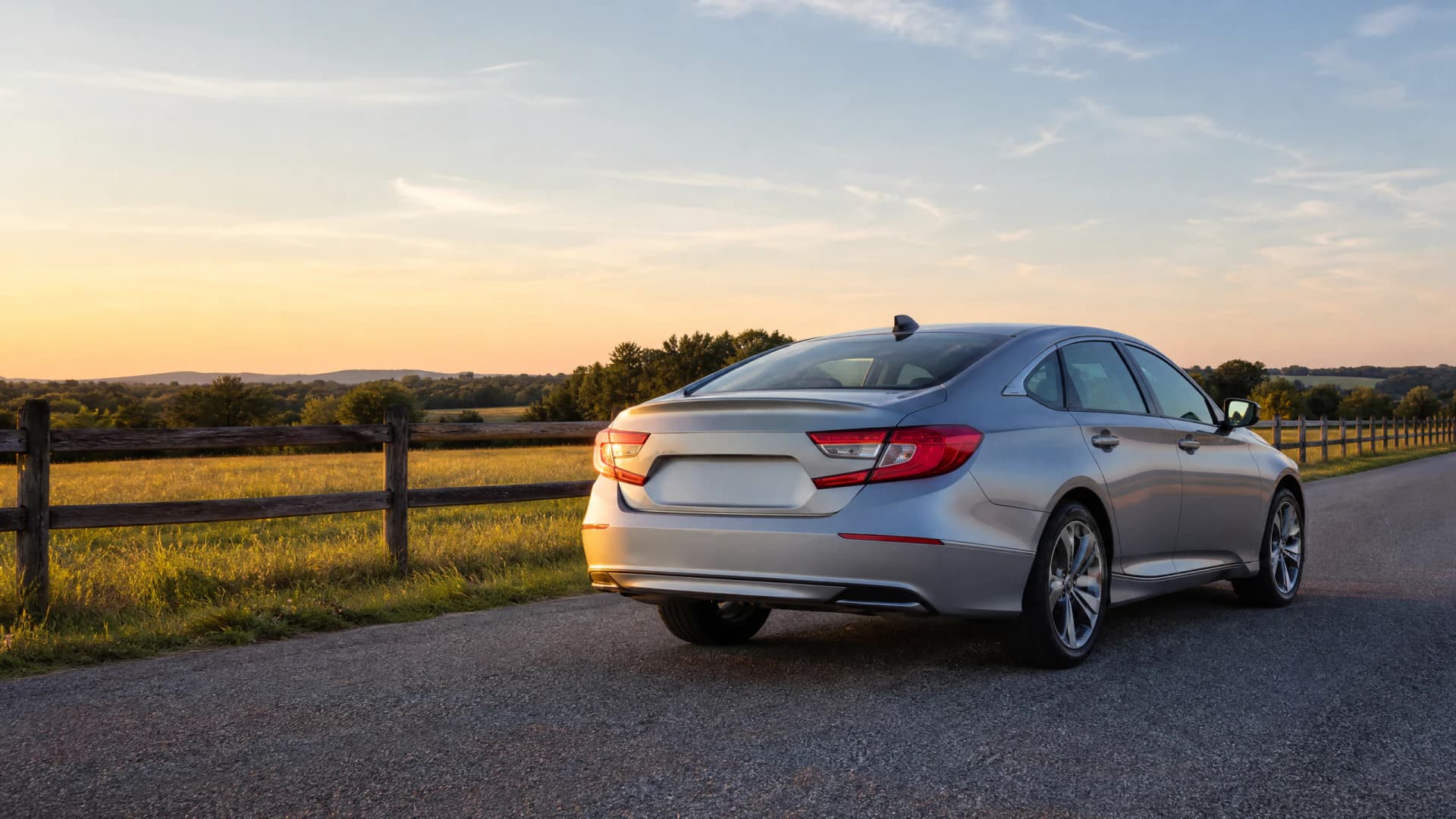
The financial calculus for comprehensive and collision coverage shifts significantly for Cincinnati senior drivers with paid-off vehicles of moderate age and value. If you're carrying full coverage on a 2014–2018 vehicle worth $8,000–$14,000 in current market value, you're paying $60–$95 monthly for collision and comprehensive in typical Hamilton County zip codes. The question: does that annual cost of $720–$1,140 make sense if the maximum payout after your deductible is $7,000–$12,500?
The financial threshold most insurance advisors use: drop collision and comprehensive when the annual premium exceeds 10% of the vehicle's current value. For a 2015 Toyota Camry worth $11,000, that threshold is $1,100 annually, or about $92/mo. If your combined collision and comprehensive premium exceeds that amount, switching to liability-only coverage typically makes financial sense unless you lack emergency savings to replace the vehicle after a total loss. Cincinnati seniors on fixed retirement income should also consider whether they could absorb a $10,000 unexpected vehicle replacement cost — if not, maintaining full coverage even slightly above the 10% threshold may be justified.
Medicare coordination creates a separate consideration for medical payments coverage. Ohio requires minimum liability limits of 25/50/25 (meaning $25,000 per person for bodily injury, $50,000 per accident, and $25,000 for property damage), but doesn't mandate medical payments or personal injury protection coverage. If you carry Medicare Part B, it covers accident-related medical expenses regardless of fault, which makes medical payments coverage largely redundant for Cincinnati senior drivers. The exception: if you regularly transport passengers under 65 who don't have health insurance, maintaining $5,000–$10,000 in medical payments coverage provides gap protection. Most carriers charge $8–$15/mo for this coverage in Hamilton County.

See What Drivers Over 65 Are Paying Now
See If You Qualify for DiscountsHow to Compare Cincinnati Senior Driver Rates Without Requoting Every Six Months
Rate comparison for senior drivers should follow a structured 18–24 month cycle rather than constant requoting, because each hard quote application can trigger a soft inquiry that some carriers interpret as shopping behavior. The most efficient approach: conduct comprehensive comparison at three specific trigger points — your 65th birthday when mature driver discounts first become available, around age 72 when age-based actuarial adjustments typically accelerate, and whenever your annual premium increases more than 8% without a corresponding claim or coverage change.
When comparing Cincinnati rates, request identical coverage limits from at least four carriers with strong Ohio market presence: State Farm, Progressive, Nationwide, and Grange Insurance all maintain significant Cincinnati customer bases and offer mature driver programs. Provide identical information to each: your actual annual mileage (verifiable through odometer readings or service records), completion status of mature driver courses, multi-policy discount eligibility if you bundle home or renters insurance, and whether you're willing to participate in telematics monitoring for additional low-mileage verification.
The comparison should include quoted monthly premiums for both your current coverage structure and a liability-only alternative if you drive a paid-off vehicle worth under $15,000. Cincinnati senior drivers switching from full coverage to liability-only on a 2016 vehicle typically save $65–$90 monthly, though this assumes you have sufficient emergency savings to replace the vehicle after a total loss. Request quotes in writing or via email rather than phone-only quotes, because written quotes create documentation if the carrier later disputes the quoted premium or coverage terms.
For senior drivers who've accumulated points from traffic violations or experienced at-fault accidents, standard carrier rates may no longer be competitive. If your record includes speeding tickets or collision claims within the past three years, specialized coverage options exist. Understanding how driving record affects senior insurance becomes essential when points accumulate after age 65, as carriers often apply steeper surcharges to older drivers than to younger drivers with identical violations.
Ohio Mature Driver Course Requirements and Approved Cincinnati Providers
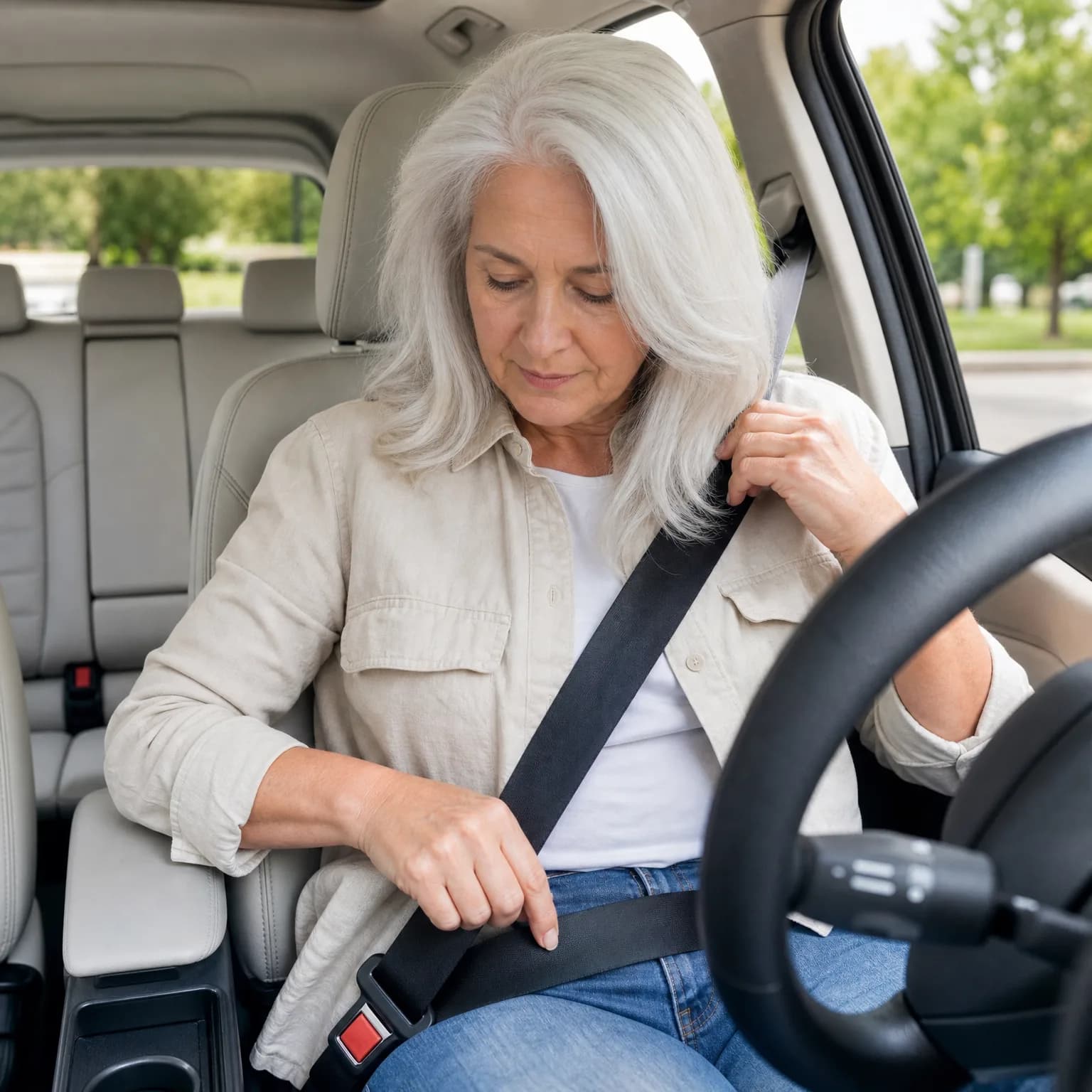
Ohio law allows but doesn't mandate insurance discounts for drivers who complete approved mature driver improvement courses. Every major carrier operating in Cincinnati offers these discounts voluntarily, ranging from 8% at the low end (Grange, Erie) to 15% at the high end (State Farm, Nationwide) for drivers 55 and older. The discount remains active for three years from course completion, after which you must retake an approved course to maintain eligibility.
AAA offers both online and in-person courses through its Cincinnati locations, with the in-person course spanning two four-hour sessions typically held on weekday mornings at the Beechmont Avenue and Montgomery Road offices. Cost for AAA members is $20, or $25 for non-members. AARP's Smart Driver course is available entirely online, takes approximately 4–6 hours to complete at your own pace, and costs $19.95 for AARP members or $24.95 for non-members. Both courses are approved by the Ohio Bureau of Motor Vehicles and satisfy carrier requirements for mature driver discounts.
Course content focuses on age-related vision and reaction time changes, defensive driving strategies for highway merging and left turns across traffic, and how modern vehicle safety features like blind-spot monitoring and automatic emergency braking function. Neither course requires a driving test or behind-the-wheel component. Upon completion, you receive a certificate that must be submitted to your insurance carrier within 30 days to activate the discount. Most carriers accept digital certificates via email or uploaded through their mobile app, though some still require mailed hard copies.
The financial return on course completion is immediate and substantial: if you're currently paying $130/mo and qualify for a 10% mature driver discount, your premium drops to $117/mo, saving $156 annually for three years — a $468 total return on a $20 course investment. The discount applies regardless of whether you maintain your current carrier or switch to a competitor, as long as you submit proof of completion during the quoting or renewal process.

Medicare Coordination and Medical Payments Coverage for Cincinnati Seniors
Medicare Part B covers accident-related injuries regardless of fault, which creates functional overlap with auto insurance medical payments coverage for Cincinnati senior drivers enrolled in traditional Medicare or Medicare Advantage plans. If you carry both Medicare and $5,000 in medical payments coverage, Medicare typically pays first as primary insurance, with medical payments functioning as secondary coverage only if Medicare doesn't fully cover the medical expenses — a rare scenario for accident-related treatment.
The coordination-of-benefits rules mean most Cincinnati senior drivers can safely reduce or eliminate medical payments coverage once Medicare enrollment begins at 65. The exception: if you regularly transport grandchildren, neighbors, or other passengers under 65 who don't have health insurance, medical payments coverage extends to all vehicle occupants regardless of their insurance status. For senior drivers who exclusively drive alone or with a Medicare-enrolled spouse, dropping medical payments coverage typically saves $10–$18 monthly with minimal risk exposure.
Ohio's minimum liability requirements don't include mandatory medical payments or personal injury protection, unlike no-fault states such as Michigan or Florida. Cincinnati senior drivers need only maintain 25/50/25 liability limits to satisfy state law, though most insurance advisors recommend higher limits of 100/300/100 for drivers with retirement assets to protect. Umbrella liability policies, which provide $1–$2 million in additional coverage above your auto policy limits, typically cost $180–$280 annually and require underlying auto liability limits of at least 250/500 to qualify.
Frequently Asked Questions
Does Ohio require insurance companies to offer senior driver discounts?
No, Ohio doesn't mandate senior-specific discounts, but every major carrier operating in the state offers voluntary mature driver course discounts ranging from 8% to 15% for drivers 55 and older who complete approved courses. These discounts remain active for three years after course completion, but you must explicitly request them — carriers rarely apply them automatically at renewal.
How much does insurance increase for Cincinnati drivers after age 70?
Cincinnati senior drivers typically see modest 3–6% annual increases between ages 65 and 70, followed by steeper age-based adjustments starting around 72. Between ages 72 and 78, premiums often rise 10–20% even with clean driving records, and by age 80, drivers in Hamilton County frequently pay 25–35% more than they did at 65, primarily due to actuarial age multipliers rather than individual driving behavior.
Should I keep full coverage on my paid-off 2016 Honda CR-V in Cincinnati?
The financial threshold is whether your annual collision and comprehensive premium exceeds 10% of the vehicle's current value. For a 2016 CR-V worth approximately $12,000–$14,000, that's $1,200–$1,400 annually, or about $100–$117 monthly. If your collision and comprehensive premium exceeds that amount and you have emergency savings to replace the vehicle after a total loss, switching to liability-only coverage typically makes financial sense.
Do I need medical payments coverage if I have Medicare?
Most Cincinnati senior drivers can safely reduce or eliminate medical payments coverage once enrolled in Medicare Part B, which covers accident-related medical expenses regardless of fault. The exception is if you regularly transport passengers under 65 who lack health insurance — medical payments coverage extends to all vehicle occupants and provides gap protection for uninsured passengers.
Where can I take an approved mature driver course in Cincinnati?
AARP offers an online Smart Driver course for $19.95 (members) that takes 4–6 hours to complete at your own pace. AAA provides both online and in-person courses at Cincinnati locations on Montgomery Road and Beechmont Avenue, costing $20 for members. Both courses are approved by the Ohio Bureau of Motor Vehicles and qualify for insurance discounts ranging from 8–15% that remain active for three years.
Related Articles

Convert Joint Auto Insurance After Spouse Dies | Wisconsin
4/29/2026

Oregon License Renewal at 85: Testing & Insurance Impact
4/29/2026

MO License Renewal at 75: Tests, Restrictions & Rates
4/29/2026

Surviving Spouse Auto Insurance in Colorado: Transfer Rules
4/29/2026

Car Insurance After 70: Lower Rates Despite Increases
4/1/2026

Spouse Died in Hawaii: Convert Joint Auto Policy
4/29/2026