
Senior Driver Insurance Comparison Guide for Houston
Free to compare
Why Houston Senior Drivers Pay More Than Other Texas Metro Areas
Houston senior drivers aged 65–75 typically see premiums 12–18% higher than the Texas state average, driven by elevated uninsured motorist rates (estimated at 14–16% citywide) and accident density in Harris County. Your decades of clean driving history matter less to actuarial models than zip code risk scores, which treat the entire metro area as a single high-exposure zone regardless of your individual neighborhood or record.
Between ages 65 and 75, most Houston drivers experience a 10–15% cumulative rate increase even without claims or violations. After age 75, increases accelerate — typically 8–12% every two to three years with some carriers. These increases reflect statewide age-based rating adjustments, not your driving ability, and they apply whether you drive 15,000 miles annually or 4,000.
The gap between what you're paying now and what's available through discounts, carrier switching, and coverage adjustments often ranges from $35 to $65 per month for drivers with clean records. That difference compounds quickly on a fixed retirement income, and most of it comes from programs you must specifically request — carriers rarely apply them automatically at renewal.
Texas Mature Driver Course Discount: The Program Most Houston Seniors Miss
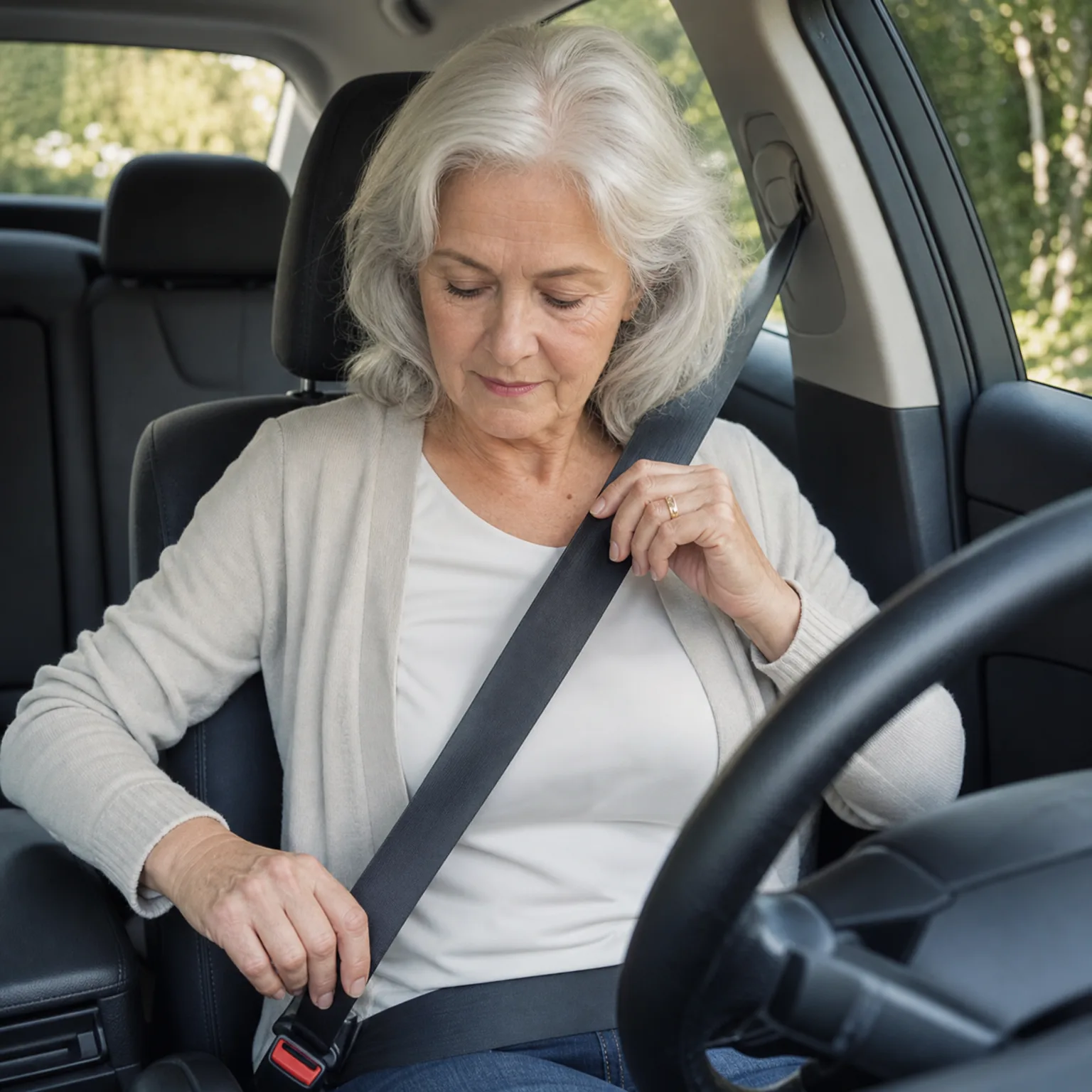
Texas Insurance Code Section 1952.055 mandates that all auto insurers offer a discount to drivers aged 55 and older who complete an approved defensive driving or mature driver course. The discount typically ranges from 5–10% on liability, collision, and comprehensive premiums and remains in effect for three years from course completion. AARP and AAA offer the most widely accepted courses, available both online and in-person, with completion times of 4–6 hours and costs between $15 and $25.
The critical detail most Houston seniors miss: you must submit proof of completion to your insurer and explicitly request the discount. It is not applied automatically, even if your carrier knows your age. If you completed a course two years ago but never notified your insurer, you've left roughly $200–$400 unclaimed depending on your premium level. Contact your agent or carrier directly with your certificate, confirm the discount percentage in writing, and verify it appears on your next declaration page.
This discount stacks with other senior-specific programs, including low-mileage and loyalty discounts. Renewal every three years is straightforward — most providers send reminders, but setting a calendar alert 90 days before expiration ensures you renew the course before the discount lapses. If you're comparing carriers, confirm the exact discount percentage each offers for course completion, as it varies from 5% to 10% depending on the insurer.


Low-Mileage and Telematics Programs for Houston Retirees
If you no longer commute to work and drive fewer than 7,500 miles annually, low-mileage programs can reduce your premium by 10–20%. Most major carriers operating in Houston — including State Farm, GEICO, Progressive, and Allstate — offer usage-based or low-mileage discount programs, though program names and structures differ. Some require annual odometer verification, while others use telematics devices or smartphone apps that track mileage and driving behavior in real time.
Telematics programs often deliver the steepest discounts for senior drivers with predictable, low-risk patterns: daytime driving, shorter trips, minimal night or highway exposure, and smooth braking. Drivers who primarily run local errands, attend medical appointments, or visit family within a limited radius often qualify for 15–25% discounts after an initial monitoring period of 90 days. The trade-off is data sharing — the insurer receives trip-level information, which some drivers find intrusive.
Before enrolling in a telematics program, confirm whether the discount is guaranteed or performance-based. Some programs guarantee you won't pay more than your current rate even if your driving scores poorly, while others adjust your premium up or down based on results. For drivers with clean records who rarely drive at night or in heavy traffic, telematics programs frequently outperform standard senior discounts and can be combined with mature driver course savings.
Coverage Adjustments That Make Sense for Paid-Off Vehicles
If you own a paid-off vehicle worth less than $5,000–$7,000, the cost of maintaining collision and comprehensive coverage often exceeds the maximum payout you'd receive after a total loss. A practical test: if your annual collision and comprehensive premium exceeds 10% of your vehicle's current market value, you're likely paying more in coverage than the policy would ever return. Check your vehicle's actual cash value using Kelley Blue Book or NADA guides, then compare that to your annual premium for physical damage coverage.
Texas requires liability coverage only — bodily injury and property damage minimums are $30,000 per person, $60,000 per accident, and $25,000 for property damage. Dropping collision and comprehensive on an older vehicle while maintaining or even increasing liability limits can reduce your premium by $40–$80 per month while keeping you legally compliant and financially protected against injury claims. Many senior drivers carry the same coverage levels they selected decades ago when their vehicle was financed, never revisiting whether full coverage still serves their current situation.
One Houston-specific consideration: the city's uninsured motorist rate makes uninsured/underinsured motorist coverage particularly valuable, even if you drop collision. This coverage protects you if you're hit by a driver with no insurance or inadequate limits, and it costs significantly less than collision coverage. Given that roughly one in seven Houston drivers operates without insurance, maintaining UM/UIM coverage at levels matching or exceeding your liability limits provides critical financial protection on a fixed income.

See What Drivers Over 65 Are Paying Now
See If You Qualify for Discounts
How Medical Payments Coverage Interacts with Medicare in Texas
Medical payments coverage (MedPay) pays for medical expenses resulting from an auto accident regardless of fault, covering you and your passengers up to the policy limit — typically $1,000 to $10,000. For senior drivers on Medicare, MedPay functions as a primary payer, meaning it pays before Medicare processes any claims. This eliminates out-of-pocket costs that would otherwise apply under Medicare Part B, including the annual deductible (currently $240) and the 20% coinsurance on covered services.
Texas does not require MedPay, but it's inexpensive — usually $3–$8 per month for $5,000 in coverage — and it covers ambulance transport, emergency room visits, and follow-up care without coordination-of-benefits delays. For senior drivers with Medicare Advantage plans that include copays or deductibles, MedPay can cover those cost-sharing amounts immediately after an accident. It also covers passengers in your vehicle who may not have health insurance or who face high out-of-pocket costs.
Personal injury protection (PIP) is not required in Texas and functions differently from MedPay — it covers medical expenses, lost wages, and other costs regardless of fault, but it's generally more expensive and designed for working drivers who need wage replacement. For retired drivers on Medicare, MedPay typically offers better value than PIP because it's cheaper and covers the specific gap Medicare leaves: immediate out-of-pocket costs after an accident.
Comparing Houston Carriers: Rate Variation and Senior-Specific Programs
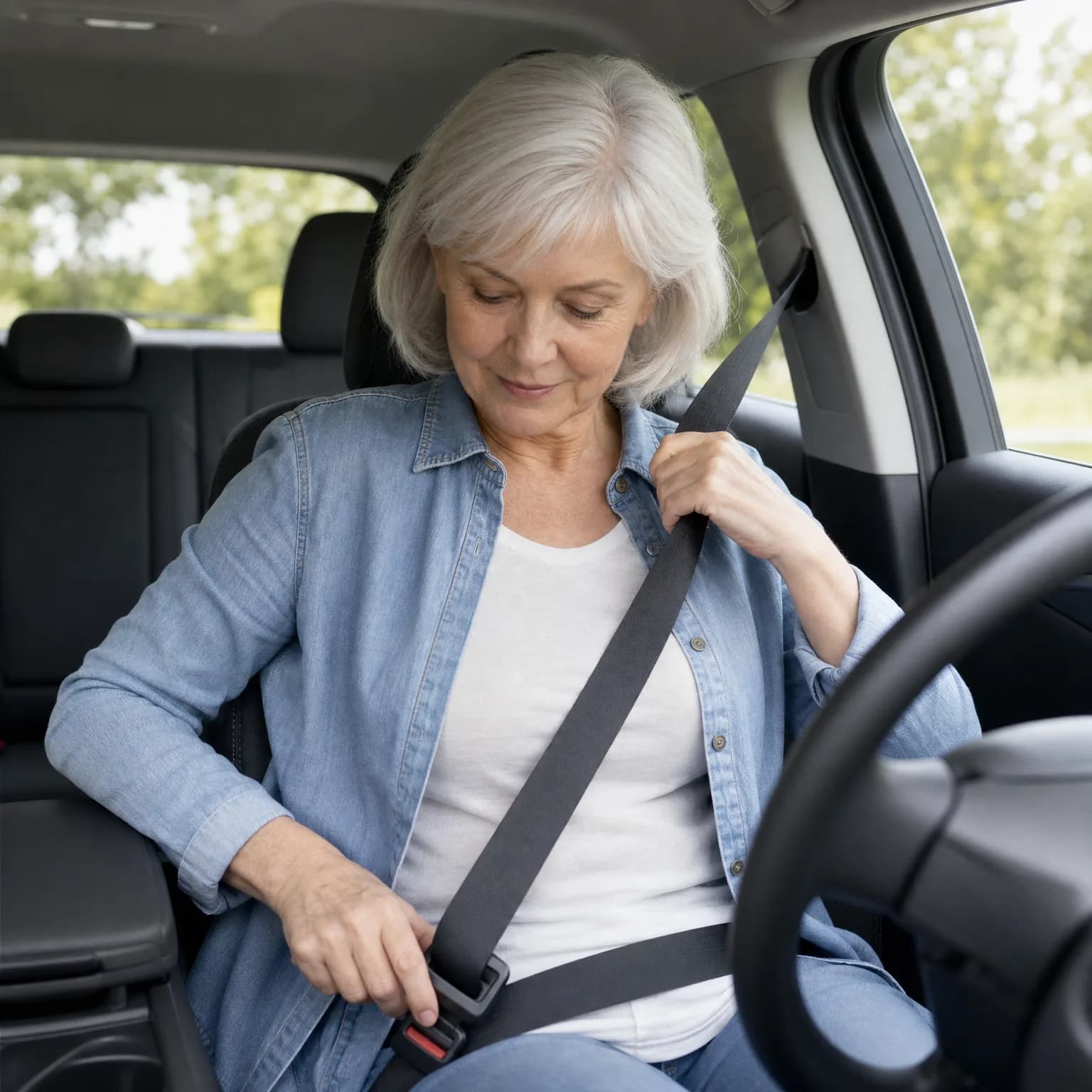
Rate variation among major carriers in Houston can exceed 40% for identical coverage, and the lowest-cost carrier for a 45-year-old driver is often not the lowest-cost option for a 70-year-old. USAA (available to military members and families), GEICO, State Farm, and Progressive consistently rank among the more competitive options for senior drivers in the Houston area, but individual rates depend heavily on your specific zip code, vehicle, coverage limits, and claims history.
When comparing carriers, request quotes at identical coverage levels — liability limits, deductibles, and optional coverages like MedPay and UM/UIM — so you're evaluating true rate differences rather than coverage gaps. Ask each carrier directly about their mature driver course discount percentage, low-mileage program structure, and whether they offer affinity discounts through organizations like AARP, AAA, or professional associations. Some carriers apply multiple discounts simultaneously, while others cap total discount percentages, which affects your final premium.
Switching carriers mid-policy is usually penalty-free in Texas — you're entitled to a prorated refund of any unused premium. If you're currently with a carrier that's increased your rate at renewal and you haven't shopped in two or three years, comparing at least three carriers often uncovers savings of $30–$70 per month for senior drivers with clean records. The comparison process typically takes 30–45 minutes per carrier, and most now offer online quoting tools that provide binding quotes without requiring a phone call.
When to Involve Family Members in Coverage Decisions
Adult children often notice premium increases or coverage gaps their parents have overlooked, particularly when helping with finances or after a parent mentions a recent rate hike. If a family member offers to help review your policy, it's worth accepting — a second set of eyes frequently identifies duplicate coverages, outdated limits, or unclaimed discounts that have persisted for years. The most common issues family members catch: maintaining collision coverage on vehicles worth less than the annual premium, carrying minimum liability limits that haven't been updated since the 1990s, and missing mature driver or low-mileage discounts.
That said, coverage decisions ultimately reflect your driving patterns, financial situation, and risk tolerance — not a one-size-fits-all recommendation. If you drive regularly, maintain a clean record, and prefer the peace of mind that full coverage provides, that's a legitimate choice even if the math suggests otherwise. The goal is an informed decision, not pressure to minimize coverage in ways that create financial exposure you're uncomfortable with.
If your family is concerned about your rates or coverage, suggest a joint review session where you compare your current policy to quotes from two or three other carriers, verify all applicable discounts are applied, and discuss whether your current limits and deductibles still match your situation. This collaborative approach respects your autonomy while benefiting from additional research and perspective.
Frequently Asked Questions
Does AARP offer car insurance discounts in Houston?
AARP does not underwrite insurance directly but partners with The Hartford to offer auto insurance with senior-specific discounts, including a mature driver course discount and a renewal discount that increases over time. The Hartford operates in Texas and typically offers competitive rates for Houston senior drivers, though individual quotes vary by zip code and driving history.
How much does a defensive driving course reduce insurance in Texas?
Texas law requires insurers to offer a discount of 5–10% to drivers aged 55 and older who complete an approved mature driver or defensive driving course. The exact percentage depends on the carrier, and the discount applies to liability, collision, and comprehensive premiums for three years from course completion.
Should I keep comprehensive coverage on a 12-year-old car?
If your vehicle is worth less than $5,000–$7,000 and your annual comprehensive and collision premium exceeds 10% of that value, you're often better off dropping physical damage coverage and increasing liability or uninsured motorist limits instead. This frees up $40–$80 per month while maintaining legal compliance and financial protection against injury claims.
Can I get a low-mileage discount if I drive 5,000 miles a year?
Yes — most major carriers in Houston offer low-mileage or usage-based programs that provide discounts of 10–20% for drivers logging fewer than 7,500 miles annually. You'll need to verify mileage through odometer checks, a telematics device, or a smartphone app depending on the carrier's program structure.
Does Medicare cover car accident injuries or do I need medical payments coverage?
Medicare Part B covers injuries from car accidents, but you'll still owe the annual deductible ($240 in 2024) and 20% coinsurance on covered services. Medical payments coverage pays those out-of-pocket costs immediately and typically costs $3–$8 per month for $5,000 in coverage, making it a cost-effective supplement to Medicare for senior drivers.
Related Articles

Convert Joint Auto Insurance After Spouse Dies | Wisconsin
4/29/2026

Oregon License Renewal at 85: Testing & Insurance Impact
4/29/2026
MO License Renewal at 75: Tests, Restrictions & Rates
4/29/2026

Surviving Spouse Auto Insurance in Colorado: Transfer Rules
4/29/2026

Car Insurance After 70: Lower Rates Despite Increases
4/1/2026

Spouse Died in Hawaii: Convert Joint Auto Policy
4/29/2026