
Senior Driver Insurance Savings Tips for Cleveland Residents
Free to compare
Why Cleveland Senior Drivers See Rate Increases Despite Clean Records
Auto insurance rates in Ohio typically increase 8–12% for drivers between ages 65 and 70, then accelerate to 15–25% increases after age 75, regardless of driving record. Cleveland seniors face an additional challenge: the city's urban density and higher-than-state-average accident frequency mean base rates start higher than suburban or rural Ohio communities. Your clean record matters, but actuarial age bands trigger automatic rate adjustments that your driving history alone can't prevent.
The disconnect happens because most carriers use age as a primary rating factor, separate from experience or claims history. A 68-year-old Cleveland driver with 45 years of safe driving and a 72-year-old with the same record will pay different premiums — not because of performance, but because they fall into different actuarial age brackets. Ohio law doesn't prohibit age-based rating for drivers over 65, unlike some states that cap senior rate increases.
What many Cleveland seniors don't realize: you can offset these actuarial increases with discount stacking. The average senior driver who actively claims all available discounts reduces their premium by 20–30% compared to someone who accepts their renewal notice without question. The key is knowing which discounts Ohio mandates, which are discretionary but widely available, and how to prove eligibility for each.

Ohio's Mature Driver Course Discount: The Most Underutilized Savings Tool
Ohio doesn't mandate that carriers offer mature driver course discounts, but nearly every insurer writing policies in Cleveland provides them — typically 5–10% off your premium for completing an approved defensive driving refresher. AARP Smart Driver and AAA Roadwise Driver courses both qualify, cost $20–$25 for the online version, and take 4–6 hours to complete at your own pace. The discount renews every three years as long as you retake the course, and most carriers apply it within one billing cycle of receiving your completion certificate.
Here's what Cleveland seniors often miss: this discount stacks with others. If you're already receiving a good driver discount (no at-fault accidents or violations in three years) and a low-mileage discount, the mature driver course adds another layer. On a $1,200 annual premium, that's $60–$120 per year — or $180–$360 over the three-year certification period for a one-time $25 course fee. The return on investment is immediate.
Timing matters for maximum savings. Take the course 30–45 days before your policy renewal date, submit your certificate with your renewal documents, and confirm the discount appears on your new declaration page. If it doesn't show up automatically, call your agent directly — carriers process these manually, and clerical errors are common. Don't assume the discount was applied just because you submitted the certificate.

Low-Mileage and Telematics Programs for Retired Cleveland Drivers
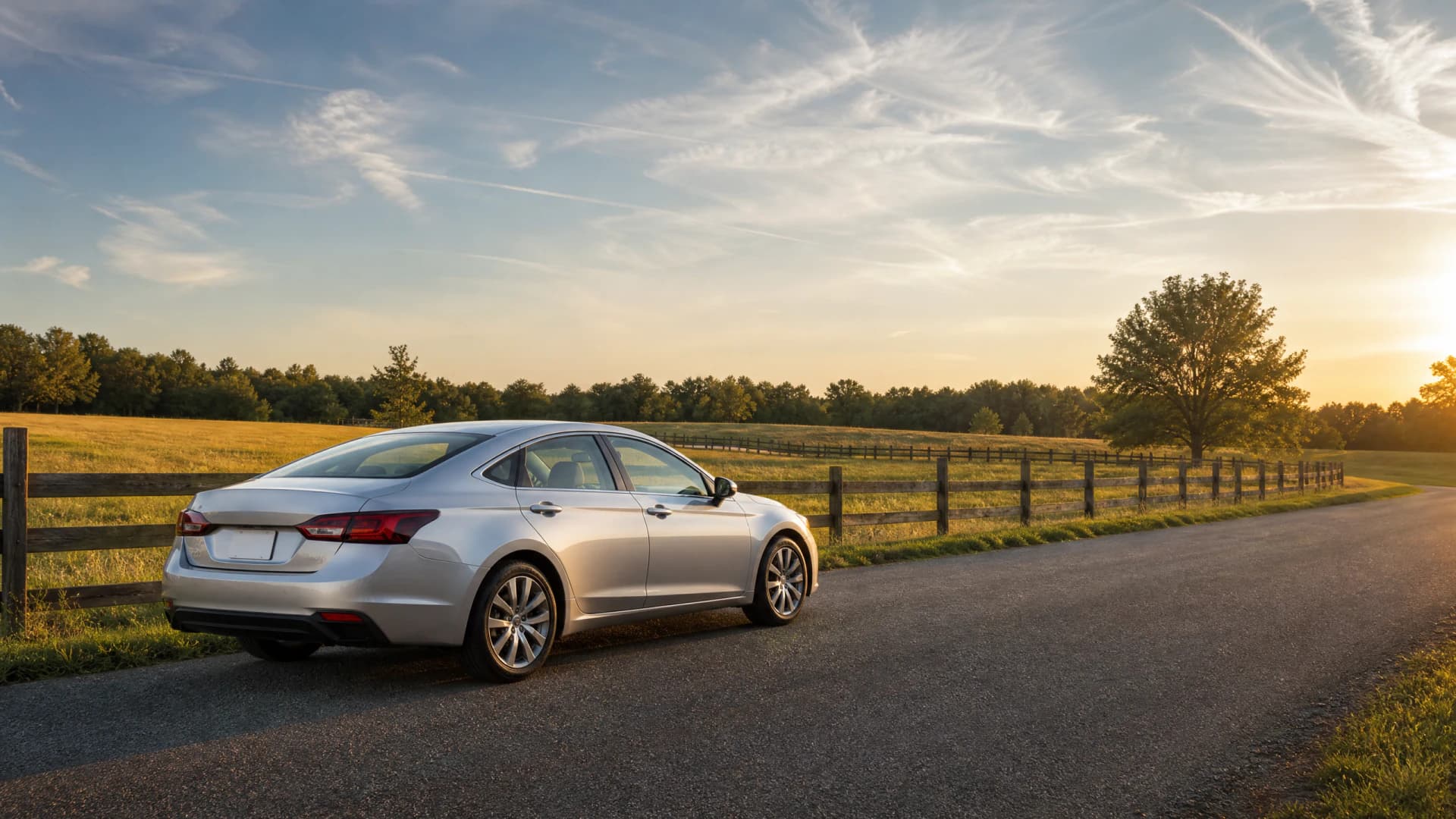
If you no longer commute to work and drive fewer than 7,500 miles annually, you likely qualify for low-mileage discounts ranging from 10–25% depending on the carrier and your actual mileage. Most Cleveland insurers offer traditional low-mileage programs that require an annual odometer reading or photo submission, but newer telematics options — small devices that plug into your car's diagnostic port or smartphone apps — provide more precise tracking and often larger discounts for genuinely low-mileage drivers.
Progressive's Snapshot, Nationwide's SmartMiles, and Allstate's Milewise programs all operate in Cleveland and reward drivers who stay under specific monthly mileage thresholds. The average retired Cleveland senior who switches from a standard policy to a pay-per-mile program saves $35–$70 per month if they're driving 3,000–5,000 miles annually instead of the 12,000–15,000 miles they drove while working. The tradeoff: you're sharing driving data with your insurer, and occasional high-mileage months (like a summer road trip) will cost more during those billing periods.
One important consideration for Cleveland's winter weather: some telematics programs track hard braking events, which can increase during snow and ice season even for experienced drivers navigating safely. Ask your agent whether the program penalizes harsh braking or simply rewards low mileage — the distinction significantly affects whether the program will actually save you money given Northeast Ohio's climate.
When Full Coverage No Longer Makes Financial Sense in Cleveland
If you own a paid-off vehicle worth less than $4,000–$5,000, carrying comprehensive and collision coverage often costs more over two to three years than the maximum payout you'd receive after a total loss. Cleveland seniors driving 2010–2014 model year sedans in good condition should calculate whether their annual collision and comprehensive premiums exceed 10% of the vehicle's current market value — if so, dropping to liability-only coverage usually makes more financial sense.
The math for a typical scenario: a 2012 Honda Accord in good condition might be worth $6,500 in the Cleveland market. If your collision and comprehensive premiums total $850 annually, you're paying 13% of the car's value each year for coverage that — after your deductible — would pay a maximum of $5,500–$6,000 if the car were totaled. After two years of premiums, you've paid more than the net benefit you'd receive. For seniors on fixed incomes, reallocating that $850 annually to an emergency fund or higher liability limits often provides better financial protection.
Before dropping coverage, consider two factors specific to Cleveland: the city's higher-than-average vehicle theft rate and frequent hail damage from summer storms. Comprehensive coverage costs $150–$250 annually for most senior drivers and protects against theft, vandalism, and weather damage — risks that don't decrease just because your car is older. Many Cleveland seniors keep comprehensive coverage while dropping collision, balancing protection against local risks with the diminishing value of crash coverage on aging vehicles.

See What Drivers Over 65 Are Paying Now
See If You Qualify for Discounts
How Medicare Interacts with Medical Payments Coverage in Ohio
Ohio doesn't require medical payments coverage (MedPay) or personal injury protection (PIP), but many Cleveland seniors carry it without realizing how it coordinates with Medicare. MedPay pays immediately after an accident for medical expenses regardless of fault, while Medicare functions as secondary coverage with deductibles and coinsurance. If you're injured in an auto accident, MedPay covers bills first, then Medicare processes remaining costs — meaning you may carry duplicate coverage that doesn't provide additional benefit.
For most Cleveland seniors with Medicare Parts A and B, carrying more than $1,000–$2,000 in MedPay provides limited additional value. MedPay premiums of $5,000 or $10,000 cost $75–$150 annually, but Medicare already covers most accident-related medical expenses after you meet your deductible. The exception: if you frequently transport passengers who aren't covered by Medicare — grandchildren, friends without health insurance, or out-of-state visitors — higher MedPay limits protect them regardless of who caused the accident.
One scenario where MedPay remains valuable for Cleveland seniors: it covers ambulance bills and emergency room copays immediately, without waiting for Medicare processing or hitting your Medicare deductible. If you're injured in an accident in January and haven't yet met your Medicare Part B deductible for the year, MedPay bridges that gap. Review your specific Medicare supplement plan to see whether it already covers these costs before deciding whether to reduce or eliminate MedPay.

Shopping Cleveland Carriers: Local Agents vs. National Direct Writers
Cleveland seniors have access to both local independent agents representing multiple carriers and national direct writers like GEICO, Progressive, and State Farm. Independent agents can compare rates across 5–10 insurers simultaneously and often identify senior-specific regional carriers that don't advertise widely but offer competitive rates for drivers over 65. National direct writers typically offer lower base rates for good drivers but may have less flexibility in manually underwriting age-related rating factors.
Erie Insurance, based in Erie, Pennsylvania, maintains a strong Cleveland presence through independent agents and frequently offers better-than-average rates for senior drivers with clean records. Westfield Insurance, headquartered in Westfield, Ohio, provides mature driver discounts and has a reputation for stable renewal pricing for older policyholders. Neither advertises nationally like Geico or Progressive, so many Cleveland seniors never receive quotes from them unless working with an independent agent.
When comparing quotes, request identical coverage limits and deductibles from each carrier — many seniors receive lower quotes that turn out to include reduced liability limits or higher deductibles than their current policy. Ask specifically about mature driver course discounts, low-mileage programs, and whether the quoted rate includes all available discounts or requires additional documentation to claim them. The lowest quote isn't always the best value if it excludes discounts you'll qualify for after enrollment.
Bundling Home and Auto: When It Saves Money and When It Doesn't
Most Cleveland insurers offer 15–25% discounts for bundling home and auto policies, which can represent $200–$400 in annual savings for seniors with both coverage types. The discount typically applies to both policies, reducing your combined premium more than the auto discount alone would suggest. For seniors who own homes outright and maintain comprehensive homeowners coverage, bundling usually provides genuine savings compared to separate policies from different carriers.
The exception: if you live in a condo or have a modest homeowners policy with limited coverage, the bundling discount may not offset a higher base auto rate. Some carriers offer competitive homeowners rates but above-average auto premiums, meaning the bundled price still exceeds what you'd pay for best-in-class coverage from separate insurers. Calculate your total combined premium both ways — bundled with one carrier versus separate policies from the cheapest provider for each coverage type.
Cleveland seniors who've paid off their mortgages and no longer have lender-required homeowners coverage sometimes drop it entirely, eliminating the bundling opportunity. If you're considering this, remember that auto-only customers lose access to bundling discounts, which can increase your auto premium by 10–20% even if your driving record and vehicle haven't changed. The total cost of maintaining minimal homeowners coverage to preserve the auto bundling discount may be lower than paying the unbundled auto rate.
Frequently Asked Questions
Does Ohio require insurance companies to offer senior discounts?
Ohio doesn't mandate senior-specific discounts, but nearly all carriers writing policies in the state offer mature driver course discounts (5–10%) and good driver discounts that benefit seniors with clean records. These are voluntary carrier programs, not state requirements, so discount availability and size vary by insurer.
How much does the AARP defensive driving course reduce car insurance in Cleveland?
Most Cleveland insurers provide 5–10% premium discounts for completing AARP Smart Driver or similar approved courses, which translates to $60–$150 annually for typical senior driver premiums. The course costs $20–$25, renews every three years, and stacks with other discounts like low-mileage or bundling.
Should I drop collision coverage on my paid-off 2013 car?
If your annual collision premium exceeds 10% of your vehicle's current market value, dropping collision usually makes financial sense for seniors on fixed incomes. For a 2013 vehicle worth $5,000–$7,000, this typically means dropping collision when your annual premium reaches $500–$700, though keeping comprehensive coverage for theft and weather damage often remains worthwhile in Cleveland.
Do I need medical payments coverage if I have Medicare?
Most Cleveland seniors with Medicare Parts A and B only need $1,000–$2,000 in medical payments coverage, since Medicare handles most accident-related medical expenses. MedPay primarily helps cover immediate costs like ambulance bills and ER copays before Medicare processes claims, and it protects passengers who may not have Medicare.
Which Cleveland insurance companies have the best rates for drivers over 70?
Erie Insurance and Westfield Insurance frequently offer competitive rates for Cleveland seniors over 70 with clean driving records, though they require quotes through independent agents rather than online. National carriers like State Farm and Nationwide also compete well for this age group, making it essential to compare at least 3–4 quotes with identical coverage limits.
Related Articles

Convert Joint Auto Insurance After Spouse Dies | Wisconsin
4/29/2026

Oregon License Renewal at 85: Testing & Insurance Impact
4/29/2026

MO License Renewal at 75: Tests, Restrictions & Rates
4/29/2026
Surviving Spouse Auto Insurance in Colorado: Transfer Rules
4/29/2026

Car Insurance After 70: Lower Rates Despite Increases
4/1/2026

Spouse Died in Hawaii: Convert Joint Auto Policy
4/29/2026