
Senior Driver Insurance Savings Tips for Los Angeles Residents
Free to compare
Why Los Angeles Senior Drivers Pay More Despite Driving Less
Auto insurance rates in Los Angeles County typically increase 8–15% for drivers between ages 65 and 70, then accelerate to 15–25% increases after age 75, even when driving records remain clean. These increases reflect actuarial age bands, not individual driving behavior, and affect all carriers operating in California. The rate pressure is compounded by Los Angeles-specific factors: higher uninsured motorist rates in certain ZIP codes, elevated comprehensive claims from vehicle theft in urban areas, and collision frequency in congested traffic corridors.
Yet most senior drivers in Los Angeles now drive 40–60% fewer miles annually than during their working years, no longer commute during peak hours, and maintain cleaner driving records than drivers aged 25–45. California does not mandate automatic application of senior-specific discounts, meaning you must request enrollment in mature driver programs, provide mileage documentation for low-mileage discounts, and verify retirement status to access available savings. Carriers are required to offer these programs but not required to enroll you without explicit request.
The mismatch creates a significant savings gap: senior drivers who actively manage their discount eligibility in Los Angeles save an average of $35–$65 per month compared to those who remain on default renewal pricing. That difference compounds over multi-year periods, making proactive discount enrollment one of the highest-return activities for drivers on fixed retirement income.
California's Mature Driver Course Discount: Underutilized and High-Value
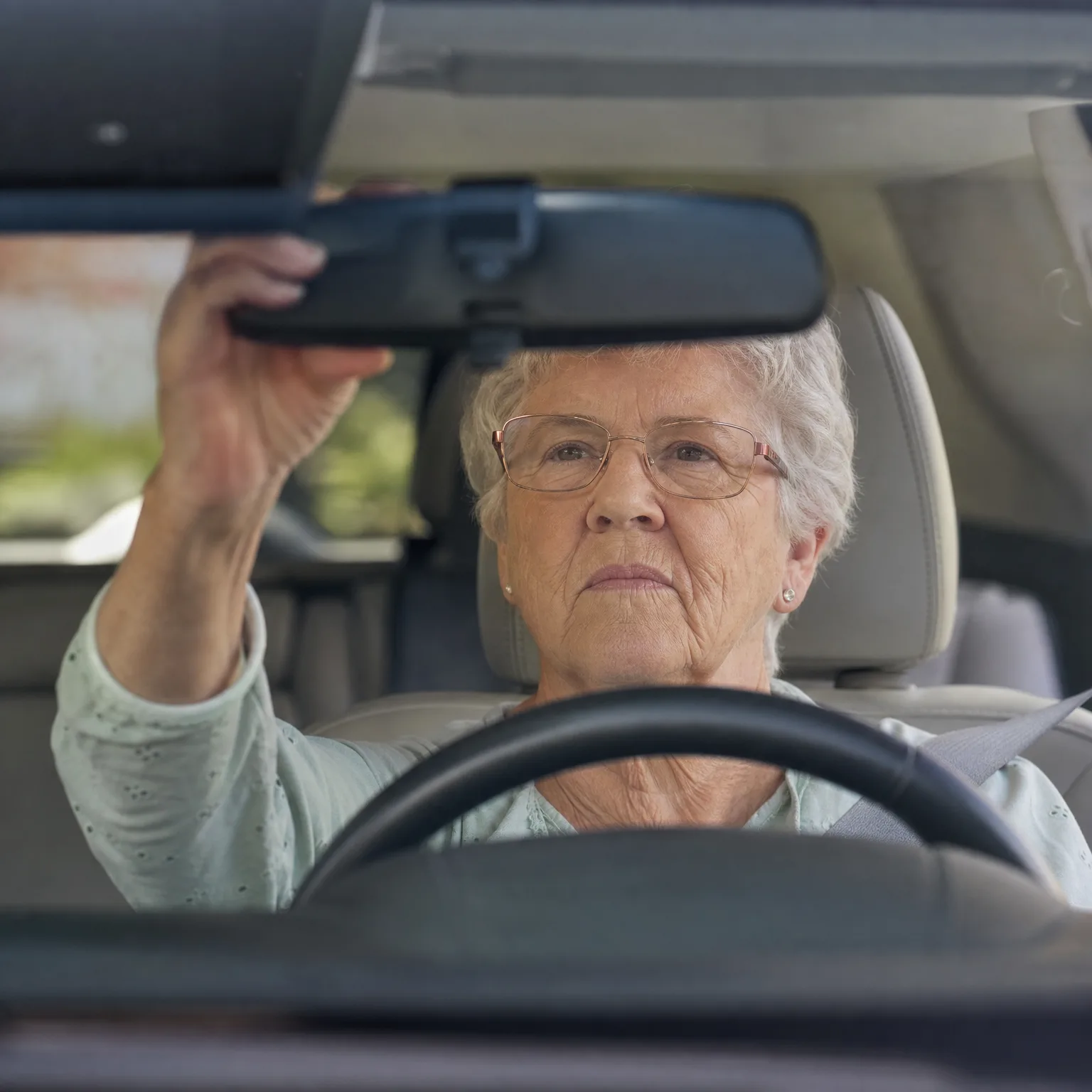
California Insurance Code Section 1861.025 requires all auto insurers to offer a discount to drivers aged 55 and older who complete an approved mature driver improvement course. The discount typically ranges from 5–15% on collision and liability premiums and remains in effect for three years from course completion. In Los Angeles, where average full coverage premiums for senior drivers range from $180–$280 per month, a 10% mature driver discount translates to $18–$28 monthly savings, or $216–$336 annually.
Approved course providers include AARP Driver Safety (available online and in-person), AAA, and the National Safety Council. Online courses cost $20–$30 and require 4–6 hours to complete, with no final exam in most programs. You must submit your completion certificate directly to your insurance carrier — completion is not automatically reported, and your discount will not apply until you provide documentation. Most carriers require the certificate within 30–60 days of course completion to backdate the discount to your completion date.
Despite the mandated availability, fewer than 30% of eligible California senior drivers have completed a mature driver course in the past three years, according to California Department of Insurance consumer surveys. The savings-to-effort ratio makes this the single highest-value action for most Los Angeles senior drivers: six hours of coursework yielding $200–$400 in annual savings represents an effective hourly return of $35–$65, tax-free.

Low-Mileage and Usage-Based Programs for Retired Drivers
Most major carriers operating in California now offer low-mileage discount programs specifically designed for drivers who no longer commute. These programs typically apply discounts of 10–25% when annual mileage falls below carrier-specific thresholds, usually 7,500 or 5,000 miles per year. In Los Angeles, where retired drivers average 6,000–8,500 miles annually compared to 12,000–15,000 for working-age commuters, low-mileage programs represent substantial savings opportunities.
Low-mileage programs require annual odometer verification, either through photo submission via mobile app, in-person inspection, or mechanical device installation. Some carriers offer pay-per-mile programs that charge a low base rate plus a per-mile fee, which can reduce premiums by 30–40% for drivers logging fewer than 6,000 miles annually. These programs work best for seniors who have eliminated daily commuting, consolidated errands into fewer trips, and no longer drive during peak traffic hours.
Usage-based insurance (UBI) programs like Snapshot, SmartRide, and Drivewise use telematics devices or smartphone apps to monitor driving patterns — braking intensity, time of day, mileage, and in some cases speed relative to posted limits. Senior drivers who avoid rush-hour driving and maintain smooth braking patterns often score in the top discount tiers, earning 15–30% premium reductions. Unlike low-mileage programs that only track total miles, UBI programs reward driving behavior, making them particularly advantageous for experienced drivers with decades of safe habits. Initial enrollment requires a 30–90 day monitoring period before discounts apply, and most programs allow you to opt out if your discount projection is lower than expected.
See What Drivers Over 65 Are Paying Now
See If You Qualify for DiscountsCoverage Adjustments That Make Sense for Paid-Off Vehicles
Many Los Angeles senior drivers continue carrying full coverage on vehicles they've owned outright for years, paying $120–$180 monthly for comprehensive and collision coverage on cars worth $4,000–$8,000. When comprehensive and collision premiums exceed 10% of a vehicle's actual cash value annually, the cost-benefit ratio shifts unfavorably — you're paying $1,440–$2,160 per year to insure a vehicle worth $6,000, and any claim will be capped at depreciated value minus your deductible.
California requires liability coverage but does not mandate comprehensive or collision on paid-off vehicles. Dropping to liability-only coverage typically reduces premiums by 40–55%, saving $75–$140 monthly for senior drivers with older paid-off cars. The decision hinges on replacement capacity: if you have $6,000–$10,000 in accessible savings to replace your vehicle in a total-loss scenario, self-insuring through liability-only coverage makes mathematical sense. If replacing your vehicle would create financial hardship, maintaining collision coverage with a higher deductible ($1,000 instead of $500) offers a middle path, reducing premiums by 15–25% while preserving major loss protection.
One coverage component that becomes more valuable with age: medical payments coverage or personal injury protection. While Medicare covers most medical expenses, it does not cover all costs immediately following an auto accident, and coordination of benefits can create payment delays. Medical payments coverage of $5,000–$10,000 costs $8–$15 monthly in Los Angeles and covers immediate out-of-pocket medical expenses, ambulance transport, and Medicare deductibles without requiring fault determination. For senior drivers on Medicare, this supplemental medical coverage fills gaps that Medicare leaves open in the immediate aftermath of an accident.

Los Angeles-Specific Discount Strategies and Carrier Differences
Los Angeles County encompasses dozens of distinct ZIP codes with widely varying insurance costs. Senior drivers in Pacific Palisades, Manhattan Beach, or South Pasadena often pay 20–35% less than those in South Los Angeles, Compton, or East LA, even with identical coverage and driving records. ZIP code rating reflects localized claim frequency, theft rates, and uninsured motorist prevalence. While you can't change your address solely for insurance purposes, understanding your ZIP code rating helps identify whether shopping carriers will yield meaningful savings.
Certain carriers apply more favorable age-rating curves for senior drivers in California. CSAA (AAA Northern California, Nevada & Utah), Wawanesa, and USAA (for eligible military-affiliated drivers) historically maintain flatter rate increases between ages 65 and 75 compared to Geico, Progressive, or Allstate. The difference can amount to $30–$60 monthly for identical coverage. California's Proposition 103 requires insurers to justify rate increases based on driving record, miles driven, and years of experience — factors that favor senior drivers — but carriers have latitude in how they weight these factors within their approved rating plans.
Bundling home and auto insurance typically yields 15–25% discounts on auto premiums. For Los Angeles senior homeowners, this represents one of the largest available discounts, often larger than mature driver course savings. However, bundling only makes sense when the combined premium beats separate best-in-class policies for each coverage type. Senior drivers should quote bundled rates from their current carrier and compare against separate auto-only policies from carriers specializing in senior drivers paired with standalone homeowners coverage from specialists in California home insurance.

When to Shop Rates and How Often to Reassess Coverage
Senior drivers in California should compare rates from at least three carriers every 18–24 months, even with no recent claims or violations. Carriers adjust their competitive positioning for senior age bands regularly, and a carrier that offered competitive rates at age 65 may price less favorably at age 72. Rate shopping does not affect your insurance score or driving record — only the number of hard credit inquiries, which most carriers no longer perform for existing insured drivers seeking quotes.
The optimal time to shop rates is 30–45 days before your renewal date. This window gives you time to compare options, complete a mature driver course if needed, and gather odometer documentation for low-mileage programs without a coverage gap. California law prohibits coverage lapses from affecting rates for senior drivers with continuous prior coverage, but even brief lapses complicate the shopping process and can trigger higher new-customer rates.
Major life changes trigger immediate coverage reassessment needs: selling a second vehicle, moving to a new ZIP code within Los Angeles County, paying off an auto loan, or reducing annual mileage below 7,500 miles. Each of these changes unlocks specific discounts or justifies coverage adjustments that reduce premiums by 10–30%. Most carriers allow mid-term policy changes with prorated premium adjustments, meaning you don't need to wait until renewal to capture savings from coverage reductions or newly qualified discounts.
Frequently Asked Questions
Does AARP offer car insurance discounts for seniors in California?
AARP does not sell insurance directly but endorses The Hartford, which offers AARP members a mature driver discount and other senior-specific benefits in California. However, The Hartford's rates are not always competitive for Los Angeles drivers — you should compare their quote against at least two other carriers. AARP's primary value for California senior drivers is their approved mature driver safety course, which qualifies you for mandated discounts with any carrier.
Will my insurance rate go down when I turn 65 and retire?
Rates do not automatically decrease at age 65 in California, and many carriers implement gradual increases starting between ages 65–70. However, retiring typically reduces your annual mileage by 40–60%, which qualifies you for low-mileage discounts of 10–25% if you enroll in your carrier's program and provide odometer verification. You must request these discounts — carriers will not apply them automatically based on your retirement status.
How much does a mature driver course reduce car insurance in Los Angeles?
California law requires insurers to offer mature driver course discounts of 5–15% on collision and liability premiums for drivers 55 and older who complete an approved course. In Los Angeles, where average senior premiums range $180–$280/month, this translates to $18–$42 monthly savings, or roughly $216–$504 annually. The discount remains active for three years, after which you must retake an approved course to maintain eligibility.
Should I keep full coverage on my paid-off car at age 70?
Keep full coverage only if your vehicle is worth more than 10 times your annual comprehensive and collision premium, or if you lack accessible savings to replace it after a total loss. For a paid-off car worth $6,000, if you're paying more than $600 annually for comprehensive and collision, the math favors dropping to liability-only and self-insuring the replacement risk. Maintain higher liability limits and consider adding medical payments coverage to fill Medicare gaps.
Do insurance companies check my mileage for low-mileage discounts?
Yes, all California carriers offering low-mileage discounts require annual odometer verification, typically through smartphone photo submission, in-person odometer reading, or plug-in device tracking. If your reported mileage cannot be verified or exceeds the program threshold, your discount will be removed and you may owe a premium adjustment. Most carriers allow a 10–15% margin over the stated threshold before removing the discount.
Related Articles

Convert Joint Auto Insurance After Spouse Dies | Wisconsin
4/29/2026

Oregon License Renewal at 85: Testing & Insurance Impact
4/29/2026
MO License Renewal at 75: Tests, Restrictions & Rates
4/29/2026

Surviving Spouse Auto Insurance in Colorado: Transfer Rules
4/29/2026

Car Insurance After 70: Lower Rates Despite Increases
4/1/2026

Spouse Died in Hawaii: Convert Joint Auto Policy
4/29/2026