
Senior Driver Insurance Savings Tips for Louisville Residents
Free to compare
Kentucky's Mandatory Mature Driver Course Discount — And Why You May Not Be Getting It
Kentucky law requires insurers to offer a premium reduction to drivers aged 55 and older who complete an approved mature driver improvement course, but the law doesn't require carriers to apply it automatically. You must submit proof of completion to your insurer and request the discount explicitly. The reduction typically ranges from 5% to 10% of your total premium and remains in effect for three years before requiring recertification.
AARP Smart Driver and AAA RoadWise are the two most widely accepted programs in Kentucky, with courses available both online and in-person throughout Louisville. The online course costs around $25 and takes approximately four hours to complete at your own pace. For a Louisville senior paying $1,200 annually for auto insurance, a 7% discount saves $84 per year — a return of more than 3-to-1 on the course fee in the first year alone.
The disconnect happens because most carriers send renewal notices that don't mention available discounts you haven't already claimed. If you completed your course two years ago but never submitted the certificate, your policy won't reflect the savings. Call your agent or carrier directly, reference Kentucky's mature driver discount statute, and ask for the adjustment to be backdated to your most recent renewal if you completed the course within the past three years.

Louisville-Specific Rate Factors That Affect Senior Drivers Differently
Auto insurance rates in Louisville reflect the city's accident frequency, theft rates, and uninsured motorist exposure — but these factors impact senior drivers differently than younger policyholders. Jefferson County has an uninsured motorist rate of approximately 13%, which is slightly above Kentucky's statewide average of 11.5%. This makes uninsured motorist coverage particularly important for senior drivers on fixed incomes who can't absorb out-of-pocket repair costs if hit by an uninsured driver.
Louisville's urban density also drives comprehensive coverage costs higher due to elevated theft and vandalism claims, but many senior drivers who no longer park in high-traffic areas during rush hour or at work sites may qualify for reduced comprehensive premiums. If you've retired and now primarily drive during daylight hours for errands and appointments rather than commuting on I-64 or I-65 during peak times, inform your carrier — some adjust risk calculations based on when and where you typically drive.
Wintertime precipitation and Louisville's freeze-thaw cycles contribute to higher collision claim frequency from November through March. Carriers track this seasonally, but senior drivers who reduce winter driving or who have taken defensive driving courses specific to adverse weather conditions may qualify for additional reductions that aren't advertised on standard rate sheets.

Low-Mileage and Usage-Based Programs Designed for Retirement Driving Patterns
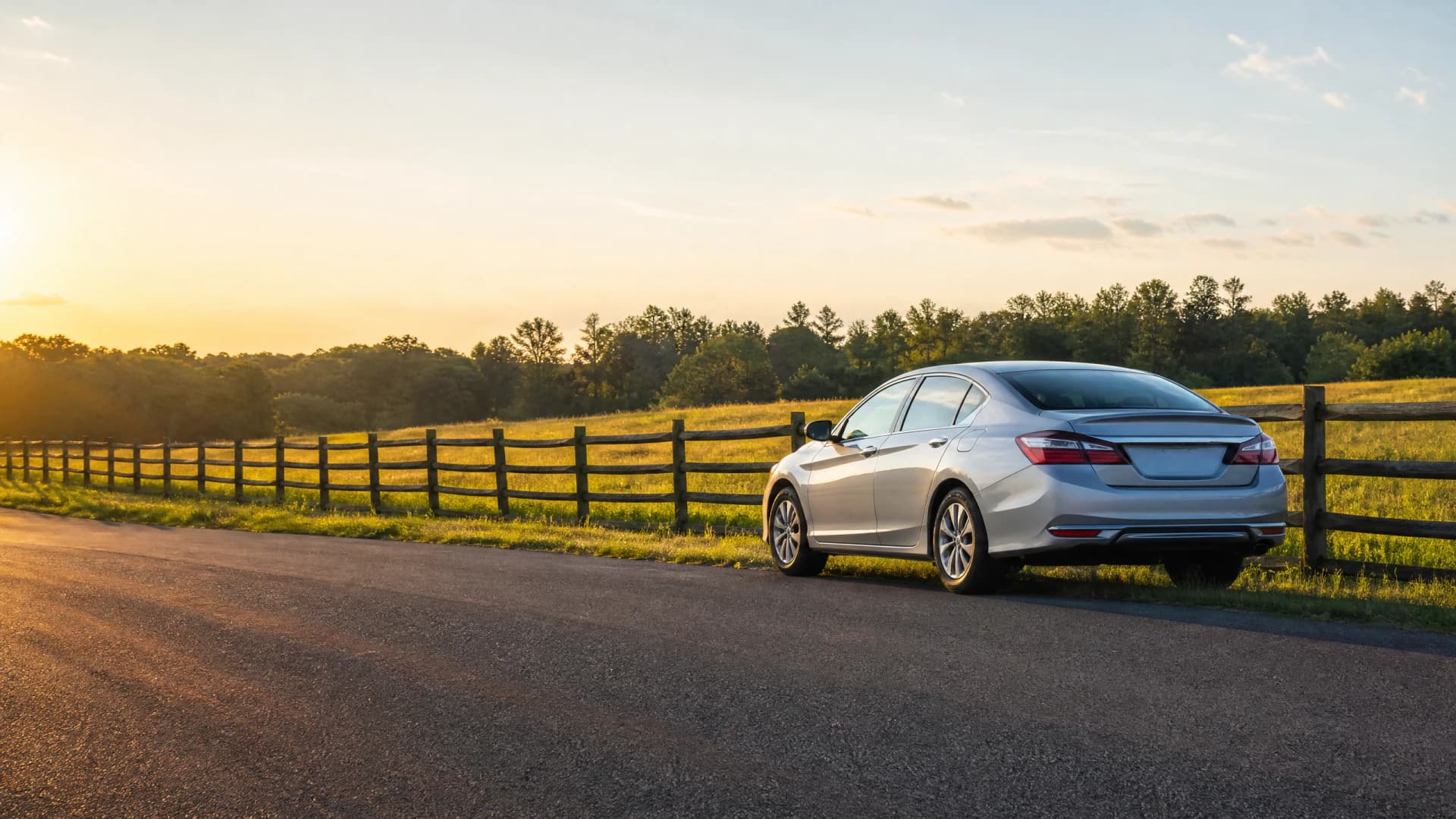
The average American drives 13,500 miles annually, but most retired Louisville residents drive 6,000 to 8,000 miles per year — a reduction that can lower premiums by 15% to 30% if properly documented. State Farm's Drive Safe & Save, Nationwide's SmartMiles, and Progressive's Snapshot programs all offer usage-based discounts, but they work differently for senior drivers than for younger policyholders.
State Farm and Progressive use telematics devices or smartphone apps that monitor mileage, time of day, braking patterns, and speed. For senior drivers who primarily drive local errands during daylight hours and avoid highways, these programs typically produce savings of $200 to $400 annually. The concern many seniors raise is privacy — these devices do track your location and driving habits. If that's a dealbreaker, Nationwide's SmartMiles charges a low base rate plus a per-mile fee, requiring only an odometer reading each month rather than continuous monitoring.
To qualify for low-mileage discounts without telematics, document your actual annual mileage at each renewal. If you drove 7,200 miles last year but your policy assumes 12,000, you're overpaying. Most carriers offer mileage-based rate tiers, but you must provide proof — either through service records showing odometer readings from oil changes or a signed mileage affidavit. For a Louisville senior paying $110/mo for full coverage, dropping from the 12,000-mile tier to the 7,500-mile tier can reduce premiums to $85/mo or lower.
When to Drop Full Coverage on a Paid-Off Vehicle — And When to Keep It
The standard advice is to drop collision and comprehensive coverage when your vehicle's value falls below ten times your annual premium, but that formula oversimplifies the decision for senior drivers on fixed incomes. If you're paying $600 annually for collision and comprehensive on a 2014 sedan worth $4,500, the math suggests dropping coverage. But if replacing that vehicle would require withdrawing from retirement savings or disrupting your budget, keeping coverage may be the better financial risk.
A more useful framework: calculate your liquid emergency fund and compare it to your vehicle's replacement cost. If you have $15,000 in accessible savings and your car is worth $5,000, you can absorb the loss without financial disruption — drop to liability-only coverage. If your emergency fund is $3,000 and losing the vehicle would force you into debt or disrupt essential transportation, keeping comprehensive and collision coverage provides necessary protection even if the pure math doesn't favor it.
For Louisville seniors who drive infrequently, consider raising your deductible to $1,000 or $1,500 rather than dropping coverage entirely. This reduces your collision and comprehensive premiums by 30% to 40% while maintaining protection against total loss. If you're struck by an uninsured driver or your vehicle is totaled in a weather event, you'll pay the first $1,500 out of pocket — but you won't lose the entire vehicle value.

See What Drivers Over 65 Are Paying Now
See If You Qualify for Discounts
Medical Payments Coverage and How It Interacts with Medicare for Louisville Seniors
Medical payments coverage (MedPay) pays for medical expenses resulting from an auto accident regardless of fault, and it works alongside Medicare rather than duplicating it. For Louisville seniors enrolled in Medicare, MedPay covers costs before Medicare processes claims, paying deductibles, copays, and expenses Medicare doesn't cover such as ambulance transport and immediate emergency care.
Kentucky doesn't require MedPay, but it's inexpensive — typically $3 to $8 per month for $5,000 in coverage — and it eliminates the gap period between an accident and Medicare reimbursement. Medicare can take 60 to 90 days to process accident-related claims, and during that window you may face bills from emergency rooms, imaging centers, and specialists. MedPay settles those bills immediately, preventing collection actions and credit damage while Medicare completes its review.
If you carry Medicare Supplement (Medigap) Plan F or Plan G, you already have strong coverage for most medical costs, making MedPay less critical. But if you're on Original Medicare without supplemental coverage, adding $5,000 in MedPay for roughly $60 annually provides a meaningful safety net. Louisville's trauma centers and emergency departments bill Medicare directly, but they also send patients invoices for any uncovered amounts — MedPay closes that exposure without requiring you to file separate claims or navigate coordination of benefits paperwork.

Multi-Policy and Group Discounts Louisville Seniors Frequently Overlook
Bundling your auto and homeowners insurance with the same carrier produces discounts of 15% to 25% on both policies, but many Louisville seniors don't realize you can achieve similar savings by bundling auto with renters insurance if you've downsized to a condo or apartment. Renters coverage costs $15 to $25 per month and protects your personal property, but adding it to an existing auto policy can reduce your auto premium by $25 to $45 monthly — a net savings even after paying for the renters policy.
Group affiliation discounts through AARP, alumni associations, professional organizations, and even Costco memberships can stack with other reductions. AARP's partnership with The Hartford produces discounts of 5% to 10% for members, and membership costs $16 annually. Alumni associations from the University of Louisville, Bellarmine University, and Spalding University often have insurance partnerships that offer similar reductions. Check whether your former employer offers retiree group insurance rates — companies like Humana and UPS, both major Louisville employers, maintain retiree insurance programs that extend to auto coverage.
Pay-in-full discounts are another frequently missed opportunity. Most carriers charge a $5 to $10 monthly installment fee if you pay premiums monthly rather than in a lump sum. For a Louisville senior paying $95/mo, that's $60 to $120 in annual fees. If your budget allows paying the full premium at renewal, you eliminate those fees and many carriers add an additional 3% to 5% discount for advance payment — a combined savings of $150 to $200 annually.
How to Compare Quotes Without Facing Age-Based Rate Increases at Renewal
Shopping for new coverage as a senior driver in Louisville requires understanding how age-based rate adjustments work. Most carriers implement gradual premium increases starting around age 70, with steeper jumps at 75 and 80. These increases occur even with a spotless driving record because actuarial models correlate age with claim frequency. The average increase between age 70 and 75 in Kentucky is 12% to 18%, and carriers apply these adjustments at renewal regardless of your claims history.
When comparing quotes, request rates from at least three carriers and specify your exact annual mileage, vehicle usage patterns, and any completed defensive driving courses. Auto-Owners, State Auto, and Cincinnati Insurance have historically offered competitive rates for senior drivers in Kentucky, often 10% to 15% below national carriers for drivers aged 65 to 75 with clean records. These regional carriers weight local driving patterns and loss history more heavily than national models, which can work in your favor if you're a low-mileage Louisville driver.
Timing matters: request quotes 30 to 45 days before your current policy renews, giving you time to compare coverage details and ask clarifying questions without facing a coverage gap. If you switch carriers mid-term, most impose short-rate cancellation penalties of 5% to 10% of your remaining premium. Wait until renewal unless you're facing an immediate rate increase of 20% or more — in that case, the savings from switching outweigh the penalty.
Frequently Asked Questions
Does Kentucky automatically apply the mature driver discount at age 55?
No — Kentucky law requires insurers to offer the discount, but you must complete an approved mature driver course and submit proof to your carrier. The discount isn't applied automatically at renewal, even if you qualify by age. Most carriers require you to request the discount explicitly and provide your course completion certificate.
Should I keep comprehensive coverage on a 10-year-old car I own outright?
It depends on your emergency savings and vehicle replacement cost. If you have liquid savings equal to at least twice your vehicle's value, you can likely afford to drop comprehensive and collision. If losing the vehicle would force you into debt or disrupt your transportation, consider raising your deductible to $1,000 or $1,500 instead of dropping coverage entirely — this reduces premiums by 30% to 40% while maintaining protection.
Will Medicare pay for injuries from a car accident, or do I need medical payments coverage?
Medicare will cover accident-related injuries, but there's often a 60- to 90-day processing delay before reimbursement. Medical payments coverage (MedPay) pays bills immediately and covers Medicare deductibles, copays, and ambulance costs Medicare doesn't fully cover. For $3 to $8 per month, MedPay eliminates the gap between accident and Medicare reimbursement.
Do usage-based insurance programs track my location at all times?
Most telematics programs like Progressive's Snapshot and State Farm's Drive Safe & Save do track location, time of day, mileage, and driving behaviors using a smartphone app or plug-in device. If privacy is a concern, Nationwide's SmartMiles program requires only a monthly odometer reading and doesn't continuously monitor your location. You can also request traditional low-mileage discounts by providing annual mileage documentation without telematics.
How much can Louisville seniors save by bundling auto and homeowners insurance?
Bundling typically reduces both policies by 15% to 25%. If you've downsized to a condo or apartment, bundling auto with renters insurance produces similar savings — renters coverage costs $15 to $25 monthly, but the auto discount often exceeds that amount, creating a net savings of $25 to $45 per month on combined premiums.
Related Articles

Convert Joint Auto Insurance After Spouse Dies | Wisconsin
4/29/2026
Oregon License Renewal at 85: Testing & Insurance Impact
4/29/2026

MO License Renewal at 75: Tests, Restrictions & Rates
4/29/2026

Surviving Spouse Auto Insurance in Colorado: Transfer Rules
4/29/2026

Car Insurance After 70: Lower Rates Despite Increases
4/1/2026

Spouse Died in Hawaii: Convert Joint Auto Policy
4/29/2026