
Senior Driver Insurance Savings Tips for New Orleans Residents
Free to compare
Why Your New Orleans Auto Insurance Went Up Despite No Claims
If you're over 65 in New Orleans and your premium increased 12–18% at your last renewal despite no accidents or tickets, you're experiencing the actuarial age adjustment that begins around age 70 for most carriers. Louisiana doesn't prohibit age-based rating after 65, and insurers operating in Orleans Parish typically apply incremental rate increases starting at 70, with steeper jumps after 75. The average New Orleans senior driver with a clean record pays $95–$135/mo for full coverage at 65, rising to $110–$155/mo by age 75 with the same driving profile.
This increase happens regardless of your actual driving record because carriers use age as a standalone rating factor in Louisiana. However, the state also mandates offsetting discounts that most seniors never claim: Louisiana Revised Statute 22:1406 requires insurers to offer premium reductions to drivers 55 and older who complete an approved mature driver improvement course. The discount ranges from 5–10% depending on carrier, applies for three years, and can be renewed by retaking an updated course.
The problem is simple: insurers will not apply this discount unless you specifically request it and provide proof of completion. Your carrier won't remind you at renewal, won't auto-enroll you when you turn 55, and won't apply it retroactively if you completed a course six months ago but forgot to file the certificate. For a New Orleans senior paying $120/mo, a 7% mature driver discount saves $100 annually — money left on the table simply because the system requires you to initiate the claim.

Louisiana's Mandatory Mature Driver Discount and How to Claim It
Louisiana law requires every auto insurer operating in the state to offer a mature driver course discount, but qualifying requires completing a state-approved program within the past three years. AARP Smart Driver and AAA Driver Improvement are the two most widely recognized programs in New Orleans, with both offering online and in-person options. The AARP course costs $25 for members ($20 online), takes 4–6 hours, and qualifies you immediately upon completion. AAA's version runs $15–$20 for members and follows a similar structure.
Once you complete the course, you'll receive a certificate of completion. This is the critical document: you must submit a copy to your insurance carrier within 30 days to trigger the discount. Most New Orleans carriers accept email or fax submissions, but some require mailed originals. Call your agent or customer service line, confirm the submission method, and ask exactly when the discount will appear on your policy — typically at the next renewal, not mid-term.
The discount applies for three years from your course completion date, not from when you file the certificate. If you completed the course in January but don't submit the certificate until May, you've lost four months of savings. Set a calendar reminder 90 days before the three-year mark to retake the course and refile — this is not automatic, and your carrier will quietly remove the discount at expiration if you don't renew your certification.

Low-Mileage and Usage-Based Programs for Retired New Orleans Drivers
If you're no longer commuting to a Metairie office or downtown job, you're likely driving 30–50% fewer miles than you did five years ago — but your premium may not reflect that shift unless you've enrolled in a low-mileage or usage-based insurance program. Most major carriers operating in Louisiana offer mileage-based discounts starting at 7,500 annual miles or less, with savings of 10–20% for drivers logging under 5,000 miles per year.
Programs like Allstate's Milewise, Progressive's Snapshot, and State Farm's Drive Safe & Save use a plug-in device or smartphone app to track actual mileage and, in some cases, driving behaviors like hard braking or late-night trips. For New Orleans seniors who primarily drive to the Winn-Dixie on Veterans Boulevard, Sunday mass, and occasional family visits, these programs can cut premiums significantly. A retired driver paying $125/mo for full coverage might drop to $95–$105/mo simply by documenting that they drive 4,000 miles annually instead of the state average of 12,000.
Before enrolling, confirm whether the program tracks mileage only or also monitors driving behaviors. Mileage-only programs are straightforward: lower miles equal lower rates. Behavior-based programs can penalize sudden stops or driving during high-risk hours (10 p.m.–4 a.m.), which may not align with your actual risk profile if you occasionally drive to Louis Armstrong International for an early flight. Ask your carrier for a 30-day trial period to assess whether the program benefits your specific pattern.

See What Drivers Over 65 Are Paying Now
See If You Qualify for DiscountsWhen Full Coverage No Longer Makes Financial Sense in New Orleans
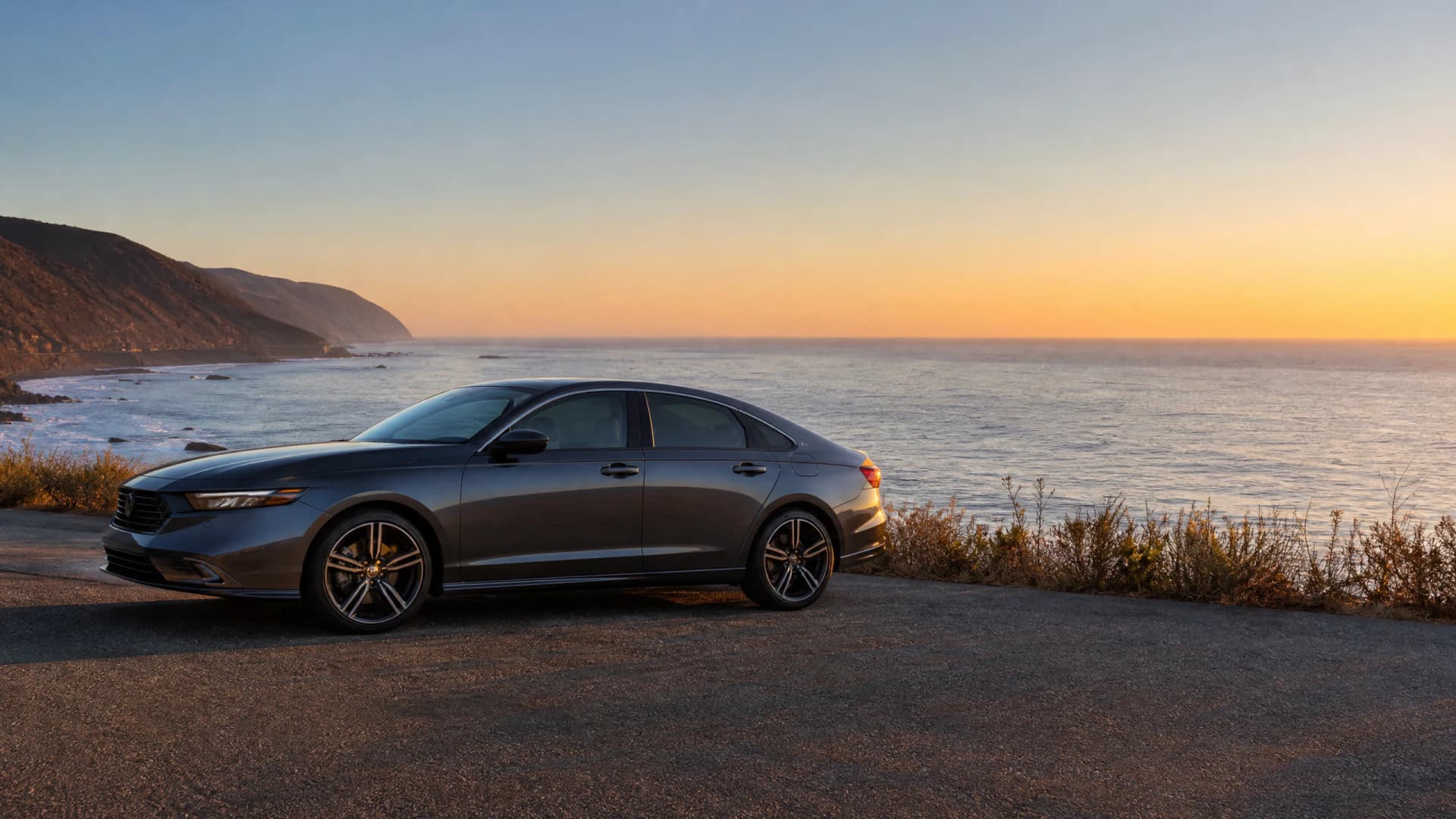
If you're driving a 2012 Honda Accord that's been paid off for six years and currently valued around $6,500, you may be spending $60–$80/mo on collision and comprehensive coverage that will pay out a maximum of $6,500 minus your deductible in a total loss scenario. For many New Orleans seniors on fixed income, this math stops working once a vehicle drops below $8,000–$10,000 in value and the annual cost of full coverage exceeds 10–15% of the car's worth.
Here's the calculation: if you're paying $70/mo for collision and comprehensive ($840/year) on a car worth $7,000, and you carry a $1,000 deductible, the maximum net payout in a total loss is $6,000. You'd need to total the car every seven years just to break even on premiums paid. Most seniors in this situation benefit from dropping to liability-only coverage, which satisfies Louisiana's minimum requirements ($15,000 bodily injury per person, $30,000 per accident, $25,000 property damage) while cutting premiums by 40–55%.
Before making this shift, confirm three things: you have enough savings to replace the vehicle out-of-pocket if needed, you're comfortable self-insuring against theft or storm damage (a real consideration in New Orleans with hurricane season and vehicle break-ins in certain neighborhoods), and you're carrying adequate liability limits — the state minimums are dangerously low if you cause a serious accident. Many financial advisors recommend seniors carry at least $100,000/$300,000 liability limits even when dropping collision and comprehensive, as retirement assets are vulnerable in lawsuit scenarios.

How Medicare and Medical Payments Coverage Interact After an Accident
Louisiana is a tort state, meaning the at-fault driver's insurance pays for injuries in an accident. But if you're injured and the other driver is uninsured, underinsured, or their coverage is delayed, the question becomes: does your Medicare cover accident-related medical bills, or do you need medical payments coverage on your auto policy?
Medicare Part A and Part B do cover injuries from car accidents, but Medicare is always the secondary payer when auto insurance is involved. If you carry medical payments coverage (MedPay) on your Louisiana auto policy, that pays first up to your policy limit ($1,000, $2,500, $5,000, or $10,000 are common options), and Medicare covers remaining eligible expenses. MedPay also covers deductibles and copays that Medicare doesn't, which can be significant if you're hospitalized after a crash on I-10 or involved in a multi-vehicle accident on Claiborne Avenue.
For New Orleans seniors, a $5,000 MedPay endorsement typically costs $8–$15/mo and provides immediate coverage without waiting for liability determinations or dealing with another driver's insurer. This is particularly valuable in hit-and-run scenarios or accidents involving uninsured drivers — a persistent issue in Orleans Parish, where the uninsured motorist rate runs higher than the Louisiana state average. If you drop collision and comprehensive to save money, consider maintaining or increasing your MedPay and uninsured motorist coverage, as these protect you directly regardless of who caused the accident.

Multi-Policy and Other Underused Discounts for New Orleans Seniors
Beyond the mature driver course discount, Louisiana seniors consistently underutilize two high-value savings opportunities: bundling auto and homeowners or renters insurance, and asking for organizational affiliation discounts. Bundling typically saves 15–25% on the auto portion of your premium, which for a New Orleans senior paying $110/mo for auto and $85/mo for homeowners translates to $18–$25/mo in combined savings.
Many carriers also offer affiliation discounts for membership in AARP, retired federal employee associations, teacher's unions, or even credit union membership. These discounts range from 3–8% and stack with other savings programs. If you're a retired Orleans Parish schoolteacher with AARP membership, you may qualify for a professional affiliation discount, AARP discount, mature driver discount, and low-mileage discount simultaneously — a combined savings potential of 25–35% if you're with the right carrier.
The catch: you must disclose these affiliations and actively request the discounts. Insurers do not cross-reference membership databases or proactively apply savings you're entitled to. During your next renewal conversation or when shopping for new coverage, bring a list of every organization you belong to, every course you've completed in the past three years, and your current annual mileage. Ask the agent or representative to audit your policy for every applicable discount — this single conversation often uncovers $200–$400 in annual savings that were available all along but never applied.
Frequently Asked Questions
Do I have to retake the mature driver course every three years in Louisiana?
Yes, Louisiana's mature driver discount expires three years from your course completion date, and you must retake an approved course to renew the discount. Your insurer will not remind you before removing the discount at expiration, so set a calendar reminder 90 days before the three-year mark to complete the updated course and refile your certificate.
Will my Medicare cover car accident injuries if I drop medical payments coverage?
Medicare Part A and Part B do cover injuries from car accidents, but only as a secondary payer after any available auto insurance. If you drop medical payments coverage entirely, you'll face Medicare deductibles and copays out-of-pocket, and you'll have no immediate coverage if the at-fault driver is uninsured or their liability claim is delayed. Most advisors recommend maintaining at least $2,500–$5,000 in MedPay for New Orleans seniors.
How much can I actually save by switching to a low-mileage program in New Orleans?
New Orleans seniors driving under 5,000 miles annually typically save 10–20% on their premiums through low-mileage or usage-based programs. For a driver currently paying $120/mo, that translates to $12–$24/mo or $144–$288/year. Savings are highest for drivers who no longer commute and primarily use their vehicle for local errands and appointments.
At what vehicle value should I consider dropping collision and comprehensive coverage?
Most financial advisors recommend dropping collision and comprehensive when your vehicle's value falls below $8,000–$10,000 and the annual cost of those coverages exceeds 10–15% of the car's worth. For New Orleans seniors, this typically makes sense on paid-off vehicles older than 10–12 years, provided you have savings to replace the vehicle out-of-pocket if needed.
Can I get the mature driver discount if I take an online course instead of in-person?
Yes, Louisiana accepts both online and in-person mature driver courses for the mandatory discount. AARP Smart Driver offers a fully online version for $25 ($20 for members) that takes 4–6 hours and qualifies immediately upon completion. You'll receive a digital certificate that you can submit to your insurer the same day you finish.
Related Articles
Convert Joint Auto Insurance After Spouse Dies | Wisconsin
4/29/2026

Oregon License Renewal at 85: Testing & Insurance Impact
4/29/2026

MO License Renewal at 75: Tests, Restrictions & Rates
4/29/2026

Surviving Spouse Auto Insurance in Colorado: Transfer Rules
4/29/2026

Car Insurance After 70: Lower Rates Despite Increases
4/1/2026

Spouse Died in Hawaii: Convert Joint Auto Policy
4/29/2026