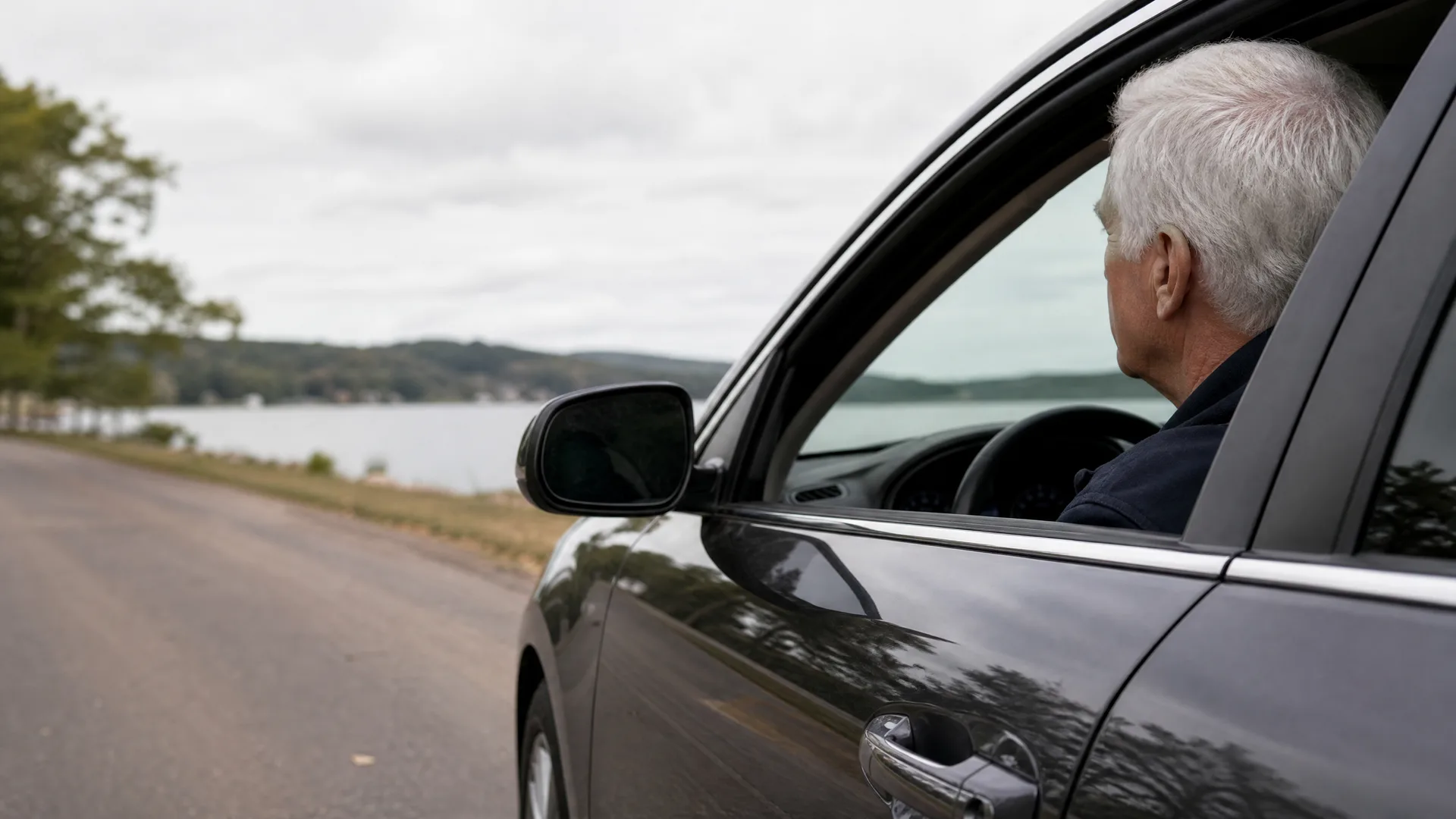
Senior Driver Insurance Savings Tips for San Jose Residents
Free to compare
Why San Jose Senior Drivers Must Request Discounts Explicitly
California law does not require auto insurers to automatically apply mature driver course discounts or low-mileage program savings when you turn 65 or reduce your annual driving. Unlike some states where carriers must notify eligible policyholders of available discounts, California operates on an opt-in model. The result: senior drivers who complete approved courses or reduce mileage below 7,500 miles annually often continue paying full rates for 2–5 years before discovering the discount existed.
In San Jose's competitive insurance market, this oversight translates to $250–$450 in unclaimed annual savings for drivers who qualify for both a mature driver discount (typically 5–15% depending on carrier) and a low-mileage program (another 5–20% for drivers logging fewer than 7,500 miles yearly). The California Department of Insurance confirms that carriers must offer these discounts when requested and documented, but proactive notification remains voluntary.
The timing matters particularly in Santa Clara County, where senior drivers face some of the state's highest base premiums due to congestion factors, even when they drive primarily during off-peak hours. A 70-year-old San Jose driver with a clean record paying $145/mo for full coverage could reduce that to $105–$120/mo simply by completing an approved 4-hour or 8-hour mature driver course and documenting reduced annual mileage—but only if they explicitly request the adjustment.

San Jose Rate Patterns for Drivers 65 Through 80
Auto insurance premiums in San Jose typically remain stable or decrease slightly for drivers between ages 65 and 70 who maintain clean records, then begin climbing 8–15% for drivers aged 70–75, with steeper increases of 15–25% after age 75. These age-based rate adjustments reflect actuarial tables used across California, but San Jose's high collision frequency in certain corridors (particularly along El Camino Real and Stevens Creek Boulevard) amplifies the base rate from which these percentages calculate.
A 68-year-old San Jose driver with full coverage on a 2018 Honda Accord might pay $130/mo, while the same driver at age 76 with an identical record could see that rise to $150–$165/mo. The increase occurs not from individual behavior change but from portfolio-wide age bracket adjustments. However, drivers who proactively stack mature driver discounts, low-mileage programs, and telematics monitoring can often offset or reverse these age-driven increases entirely.
Santa Clara County's unique density patterns also create opportunities: many senior drivers no longer commute to Silicon Valley tech campuses and drive primarily for errands, medical appointments, and recreation—patterns that qualify for usage-based insurance discounts that weren't available during their working years. Documenting this shift with odometer readings or telematics data can justify rate reductions that counteract age-based increases.

California's Mature Driver Course Discount Structure
California Insurance Code Section 1861.02(a) requires auto insurers to offer premium discounts to drivers who complete state-approved mature driver improvement courses, but it does not mandate automatic enrollment or notification. Approved courses—offered by AARP, AAA, and California Highway Patrol-certified providers—range from 4-hour online sessions to 8-hour classroom formats, with completion certificates valid for discount eligibility.
The discount itself varies by carrier but typically ranges from 5% to 15% of your total premium. For a San Jose senior paying $1,680 annually ($140/mo), a 10% mature driver discount yields $168 in annual savings—enough to cover the $25–$35 course fee nearly five times over. The discount typically renews every three years upon course recertification, though some carriers extend it indefinitely after initial completion for drivers with clean records.
Critical detail San Jose drivers often miss: you must submit the completion certificate to your insurer and request the discount application in writing or via your online account portal. Phone requests alone sometimes fail to trigger premium adjustments at the next renewal cycle. The California Department of Insurance confirms that insurers must apply the discount within one billing cycle of receiving valid documentation, but they are not required to backdate savings to the course completion date unless you specifically request retroactive adjustment.
Low-Mileage and Telematics Programs for Retired San Jose Drivers
San Jose senior drivers who no longer commute to work frequently qualify for low-mileage discounts by documenting annual driving below 7,500 miles—a threshold most working-age drivers exceed but many retirees fall well under. Major carriers operating in California offer tiered low-mileage programs: 5–10% discounts for drivers logging 7,500 miles or fewer annually, and 10–20% for those under 5,000 miles.
Documentation requirements vary by carrier. Some accept annual odometer photos submitted via mobile app; others require periodic odometer verification at renewal. A small but growing number now offer plug-in telematics devices or smartphone app monitoring that automatically tracks mileage and driving patterns, eliminating manual reporting. For San Jose drivers concerned about privacy, mileage-only telematics programs (which track distance but not location, time-of-day, or braking patterns) provide the discount benefits without comprehensive behavior monitoring.
The savings compound when stacked with mature driver discounts. A 72-year-old San Jose driver with both a 10% mature driver discount and a 15% low-mileage discount on a $155/mo premium could reduce the cost to approximately $115/mo—a $480 annual reduction that requires only course completion and mileage documentation. Yet insurance industry surveys indicate fewer than 30% of eligible California senior drivers currently utilize both discount types, primarily because carriers don't proactively suggest the combination.
See What Drivers Over 65 Are Paying Now
See If You Qualify for Discounts
Coverage Adjustments for Paid-Off Vehicles in San Jose
Many San Jose seniors drive paid-off vehicles aged 8–12 years with current market values between $6,000 and $12,000. For these drivers, the cost-benefit calculation on comprehensive and collision coverage shifts significantly compared to newer financed vehicles. A common scenario: paying $65/mo for comprehensive and collision coverage on a 2014 Toyota Camry valued at $8,500, when the annual premium ($780) approaches the maximum claim payout after deductible.
The decision framework hinges on replacement cost tolerance. If losing the vehicle would create financial hardship requiring immediate replacement, maintaining full coverage makes sense regardless of premium-to-value ratio. But if you could absorb the loss and delay replacement, or if the vehicle serves as a secondary car, dropping to liability-only coverage (plus uninsured motorist protection, which remains critical in California) can reduce premiums by 35–50%.
One critical consideration for San Jose drivers: collision frequency remains high in Santa Clara County even for cautious drivers, due to congested parking lots, distracted drivers on major corridors, and traffic density. Comprehensive coverage (protecting against theft, vandalism, and weather damage) costs significantly less than collision coverage and may justify retention even when collision is dropped. A typical split: comprehensive-only coverage might cost $18–$25/mo while collision adds another $40–$50/mo. Evaluate each separately rather than treating full coverage as an all-or-nothing choice.
How Medical Payments Coverage Interacts with Medicare
Senior drivers in San Jose enrolled in Medicare Parts A and B often question whether medical payments (MedPay) coverage in their auto policy duplicates their health insurance. The answer: MedPay and Medicare serve different functions and can coordinate to reduce out-of-pocket costs after an accident.
Medicare typically covers accident-related injuries as it would any medical event, but it includes deductibles, copays, and coinsurance that can total several thousand dollars for serious injuries. MedPay—which costs $8–$18/mo for $5,000–$10,000 in coverage—pays immediately after an accident without deductibles, covering ambulance transport, emergency room visits, and initial treatment costs that would otherwise trigger Medicare cost-sharing. It also covers passengers in your vehicle who may not have Medicare coverage.
The coordination works sequentially: MedPay typically pays first for accident-related medical bills, then Medicare processes remaining covered expenses. This can eliminate or significantly reduce your Medicare deductible and copay obligations. For San Jose seniors on fixed incomes where an unexpected $1,500–$3,000 medical expense would create hardship, maintaining $5,000–$10,000 in MedPay coverage provides meaningful financial protection at minimal cost. California law does not require MedPay, so it appears as an optional coverage line—one that many seniors inadvertently decline without understanding its Medicare coordination benefits.
San Jose Neighborhood Factors and Multi-Policy Bundling
Insurance premiums in San Jose vary significantly by ZIP code and specific neighborhood, with drivers in Willow Glen, Rose Garden, and Almaden Valley typically seeing lower rates than those in East San Jose or areas near Highway 101 interchange zones. These micro-geographic variations reflect collision frequency, theft rates, and claims history by location—factors that persist even for senior drivers with clean records.
If you own your home in San Jose, bundling homeowners and auto insurance with the same carrier typically yields 10–25% combined savings on both policies. For a senior paying $140/mo for auto and $110/mo for homeowners insurance separately, bundling might reduce the total to $200–$215/mo—a $35–$50 monthly savings. Most major carriers operating in California offer bundle discounts, but the percentage varies significantly, making comparison across 3–4 carriers worthwhile before committing.
Timing the bundle matters: if your auto and homeowners policies renew at different times of year, you may need to adjust one policy's term to align renewal dates, which can trigger short-rate cancellation fees on the policy being shortened. Ask the carrier to calculate whether the bundle discount justifies any prorated penalty for early adjustment. In most cases for San Jose homeowners, the long-term savings outweigh one-time alignment costs, but confirming the math prevents surprises.
Frequently Asked Questions
Do I have to take the mature driver course every year to keep the discount?
No—California-approved mature driver courses typically certify you for 3 years before requiring recertification. Some carriers extend the discount indefinitely after initial completion if you maintain a clean driving record, though policies vary by insurer.
Can I get the mature driver discount if I take the course online?
Yes—California accepts both online and in-person mature driver courses for discount eligibility, provided they're approved by the Department of Motor Vehicles or offered by recognized providers like AARP, AAA, or CHP-certified instructors. Your completion certificate will indicate approval status.
Will my insurance company notify me when I become eligible for senior discounts?
California law does not require insurers to notify you of discount eligibility, so most won't proactively inform you when you turn 65 or qualify for mature driver or low-mileage programs. You must request these discounts explicitly and provide required documentation like course certificates or odometer readings.
If I drop collision coverage on my older car, can I add it back later?
Yes—you can reinstate collision coverage at any time by contacting your insurer, though they may require a vehicle inspection if significant time has passed or if the car has exceeded certain age or mileage thresholds. Premiums will reflect current vehicle value and your age at the time of reinstatement.
Does the low-mileage discount apply if I only drive locally in San Jose?
Yes—low-mileage discounts are based on total annual miles driven regardless of trip distance. If your local errands, medical appointments, and shopping total fewer than 7,500 miles per year, you likely qualify for low-mileage savings even if you drive frequently for short distances.
Related Articles
Convert Joint Auto Insurance After Spouse Dies | Wisconsin
4/29/2026

Oregon License Renewal at 85: Testing & Insurance Impact
4/29/2026
MO License Renewal at 75: Tests, Restrictions & Rates
4/29/2026

Surviving Spouse Auto Insurance in Colorado: Transfer Rules
4/29/2026

Car Insurance After 70: Lower Rates Despite Increases
4/1/2026

Spouse Died in Hawaii: Convert Joint Auto Policy
4/29/2026