
Senior Driver Insurance Savings Tips for Seattle Residents
Free to compare
Why Seattle Senior Drivers See Rate Increases Despite Clean Records
Auto insurance rates in Washington typically increase 8–15% between ages 65 and 75, with steeper jumps after age 70, even for drivers with spotless records. This isn't about your driving ability — it's actuarial math based on state-wide accident cost data, medical claim severity, and injury recovery timelines that correlate with age brackets. Seattle drivers face an additional layer: higher metro area base rates driven by congestion, property damage costs, and uninsured motorist exposure that affects all age groups.
The rate increase often surprises retired drivers who've dropped their daily commute from 15,000 annual miles to under 7,000. Carriers adjust premiums based on age and territory rating factors before applying discounts, which means your baseline rate rises first — then discounts are subtracted. If you haven't proactively enrolled in every discount you qualify for, you're paying the age-adjusted rate without the corresponding offsets.
Washington does not mandate mature driver course discounts, but most carriers operating in Seattle offer them voluntarily, ranging from 5–15% depending on the insurer. The catch: you must complete an approved course and submit proof to your carrier — they will not automatically apply it when you turn 65 or suggest it at renewal. AARP and AAA both offer state-approved courses accepted by major insurers, typically completed online in 4–6 hours with costs between $20–$30.

Stackable Discounts Seattle Senior Drivers Often Miss
Most Seattle-area seniors qualify for at least three discount categories simultaneously, but fewer than 40% claim all of them according to Insurance Information Institute data. The mature driver course discount is the most underutilized: it requires renewal every three years in Washington, and many drivers complete it once at 65 but forget to recertify at 68, 71, and beyond, losing the discount without realizing it.
Low-mileage and usage-based programs represent the second major savings opportunity. If you've retired and no longer commute to downtown Seattle or Bellevue, your annual mileage has likely dropped significantly. State Farm's Drive Safe & Save, Progressive's Snapshot, and Allstate's Drivewise programs can reduce premiums by 10–30% for drivers logging under 7,500 miles annually with safe braking and speed patterns. The telematics component concerns some seniors, but the programs monitor driving behavior — hard braking, rapid acceleration, late-night driving — not location tracking, and you can typically opt out after the evaluation period if the discount doesn't materialize.
Paid-in-full and multi-policy bundling discounts stack on top of age-specific savings. If you own your home and carry homeowners or renters insurance separately, bundling with your auto carrier typically saves 15–25% on the combined premium. Paying your six-month premium in full rather than monthly installments avoids financing fees that add $30–$60 annually. For a Seattle senior driver paying $1,200/year, claiming a mature driver discount (10%), low-mileage program (15%), and bundling (20%) could reduce the annual cost to around $750 — a $450 difference that requires asking for programs already in place.

When to Drop Full Coverage on a Paid-Off Vehicle in Seattle
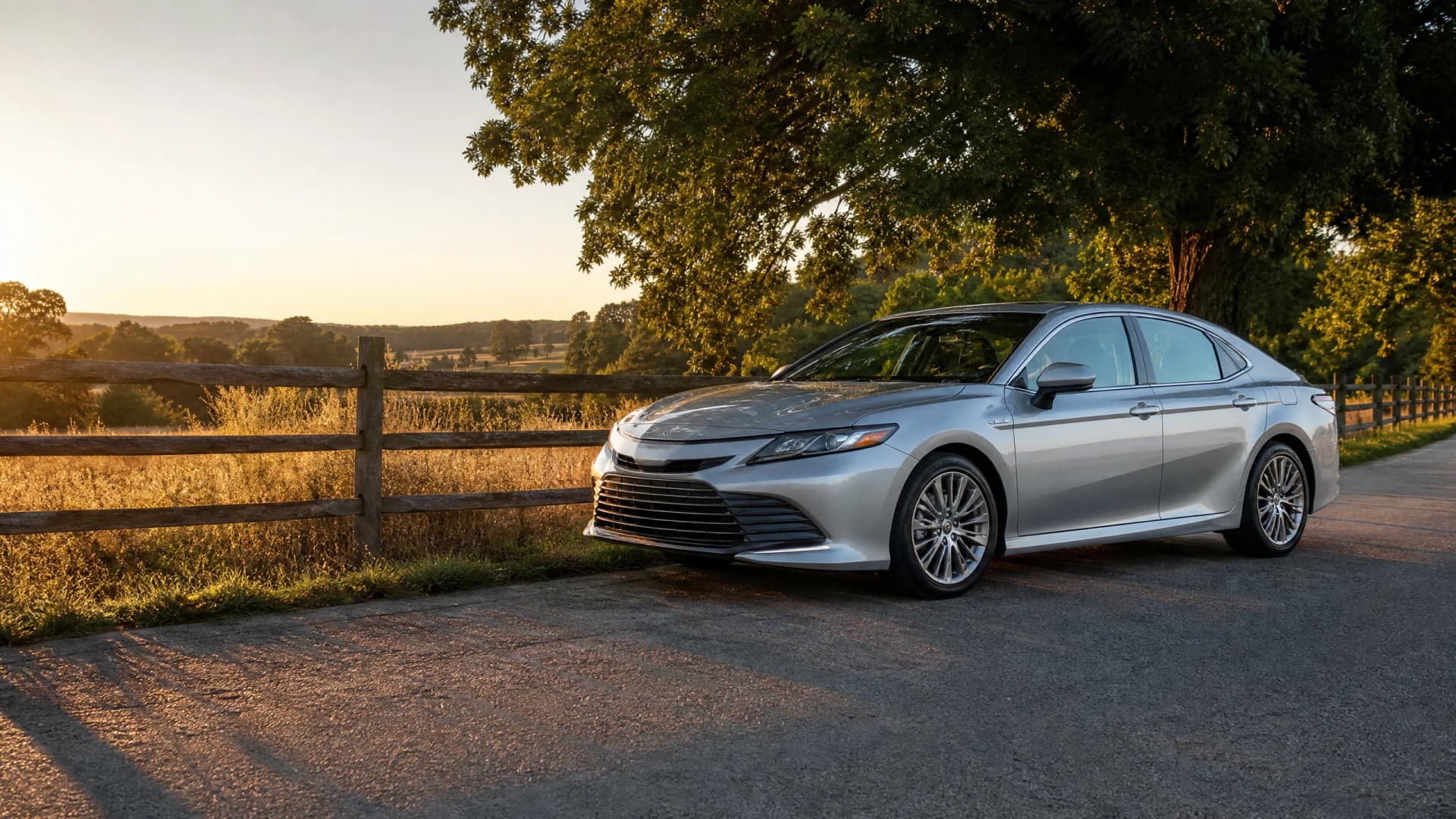
The decision to drop collision and comprehensive coverage on a paid-off vehicle depends on three factors: the car's current value, your liquid savings, and Seattle-specific risk exposure. A common rule of thumb suggests dropping full coverage when the vehicle's value falls below $3,000–$4,000, but that threshold doesn't account for replacement cost realities in the Seattle metro area or your personal financial cushion.
Run the cost-benefit calculation annually: if you're paying $600/year for collision and comprehensive coverage on a 2012 sedan worth $4,500, and your deductible is $1,000, the maximum potential payout is $3,500. Over three years, you'll pay $1,800 in premiums for coverage on a depreciating asset. If you have $5,000 in accessible savings earmarked for unexpected expenses, self-insuring makes financial sense. If a $3,500 replacement cost would strain your budget, keeping the coverage provides peace of mind.
Seattle presents higher theft and comprehensive claim risk than rural Washington areas — catalytic converter theft, vandalism, and weather-related damage from winter storms occur more frequently in King County. If you park on the street in neighborhoods with elevated property crime rates, comprehensive coverage may justify its cost longer than collision coverage, since it protects against theft, vandalism, and glass damage regardless of fault. Check your vehicle's theft rate ranking and your ZIP code's claim frequency before making the decision.
See What Drivers Over 65 Are Paying Now
See If You Qualify for DiscountsHow Medicare Interacts with Auto Insurance Medical Payments Coverage
Most Seattle senior drivers carry Medicare Parts A and B, which raises a legitimate question: does medical payments coverage (MedPay) or personal injury protection (PIP) duplicate your health insurance? Washington is not a no-fault state, so PIP is optional, but many policies include $1,000–$10,000 in MedPay as a standard feature.
Medicare covers accident-related injuries, but it functions as secondary payer when auto insurance is involved — your MedPay or PIP pays first, up to its limit, before Medicare processes remaining costs. This coordination of benefits means MedPay can cover your Medicare deductibles, co-pays, and any treatment costs that exceed Medicare's approved amounts. For a senior injured in a collision, $5,000 in MedPay can cover the gap between ambulance transport, emergency care, and Medicare's reimbursement schedule without touching your savings.
The cost-benefit analysis depends on your MedPay premium and existing health coverage. If you're paying $40–$60/year for $5,000 in MedPay and you have a Medicare Supplement (Medigap) plan that already covers most out-of-pocket costs, the duplication may not justify the expense. If you have Original Medicare without supplemental coverage, MedPay provides a financial buffer for accident-related medical bills that hit before Medicare processes claims. Review your annual MedPay cost against your health insurance deductibles and co-insurance requirements to determine whether it adds meaningful protection.

Seattle-Specific Rate Factors Senior Drivers Should Understand
Seattle's urban density, traffic congestion, and elevated cost of living all influence auto insurance base rates before any discounts apply. King County has higher uninsured motorist rates than the state average — approximately 12–14% of drivers lack minimum coverage — which increases the actuarial risk pool and raises premiums for insured drivers across all age groups.
Your specific Seattle neighborhood affects your rate independently of your driving record. Drivers in Ballard, Capitol Hill, and parts of South Seattle typically pay 10–20% more than those in Shoreline, Lake Forest Park, or Mercer Island due to claim frequency, theft rates, and population density. If you've recently moved within the metro area — downsizing from a family home in Magnolia to a condo in Belltown, for example — notify your carrier immediately. The ZIP code change could raise or lower your rate significantly, and failing to report it can result in claim denial for material misrepresentation.
Washington's comparative negligence system also matters for liability coverage decisions. If you're found partially at fault in an accident, your liability coverage responds proportionally. For senior drivers with assets to protect — a paid-off home, retirement accounts, savings — carrying liability limits above the state minimum of 25/50/10 is critical. Umbrella policies that sit above your auto liability coverage start around $200–$300 annually for $1 million in additional protection, which becomes cost-effective if your net worth exceeds $100,000.

How to Request and Verify Discounts Without Switching Carriers
Most Seattle seniors have been with the same carrier for years, which can work for or against you. Loyalty discounts exist — 5-year customers often receive 5–10% reductions, 10-year customers slightly more — but they rarely offset the new-customer acquisition discounts competitors advertise. The key is requesting a full discount audit from your current carrier before shopping around.
Call your agent or customer service line and ask for a line-by-line review of applied discounts and available programs you haven't enrolled in. Specifically request confirmation that your mature driver course discount is active and current, verify your reported annual mileage matches your actual driving (if it's dropped since retirement, update it), and ask whether you qualify for any affinity group discounts through AARP, AAA, alumni associations, or professional organizations. Request the audit in writing or via email so you have documentation of what was confirmed.
If the audit reveals you've been missing stackable discounts, ask your carrier to apply them retroactively for the current policy period and confirm the reduced rate at your next renewal. If they decline or the savings are minimal, that's your signal to compare rates with at least three competitors. Senior drivers with clean records often see quote variations of 30–50% between carriers for identical coverage, and Washington's competitive insurance market means regional and national carriers are actively competing for low-risk senior drivers.
Frequently Asked Questions
Does Washington require insurance companies to offer senior driver discounts?
No, Washington does not mandate mature driver course discounts or age-specific rate reductions. However, most major carriers operating in Seattle offer voluntary discounts of 5–15% for drivers who complete state-approved defensive driving courses. You must submit proof of completion to your insurer — the discount is not applied automatically.
How often do I need to retake a mature driver course to keep the discount in Washington?
Most Washington insurers require course renewal every three years to maintain the discount. If you completed an AARP or AAA course at age 65, you'll need to recertify at 68, 71, and so on. Missing the renewal deadline removes the discount from your policy, often without notification.
Will my rates go down if I drive fewer miles after retiring in Seattle?
Possibly, but only if you notify your carrier and enroll in a low-mileage or usage-based program. Carriers don't automatically adjust your rate when you retire — you must report the mileage reduction and request program enrollment. Drivers reducing annual mileage from 12,000 to under 7,500 can see reductions of 10–30% depending on the program.
Should I keep comprehensive coverage on my paid-off car if I live in Seattle?
It depends on your vehicle's value, savings cushion, and neighborhood risk factors. Seattle has higher theft and vandalism rates than suburban King County areas. If your car is worth $5,000 or more and you park on the street in neighborhoods with elevated property crime, comprehensive coverage may be worth keeping even after dropping collision coverage.
Can I stack a mature driver discount with a low-mileage discount?
Yes, most carriers allow you to combine mature driver course discounts, low-mileage programs, bundling discounts, and loyalty credits simultaneously. A Seattle senior driver who completes a defensive driving course, enrolls in a usage-based program, and bundles home and auto policies can often reduce premiums by 30–40% compared to baseline rates.
Related Articles

Convert Joint Auto Insurance After Spouse Dies | Wisconsin
4/29/2026
Oregon License Renewal at 85: Testing & Insurance Impact
4/29/2026

MO License Renewal at 75: Tests, Restrictions & Rates
4/29/2026

Surviving Spouse Auto Insurance in Colorado: Transfer Rules
4/29/2026

Car Insurance After 70: Lower Rates Despite Increases
4/1/2026

Spouse Died in Hawaii: Convert Joint Auto Policy
4/29/2026