
Senior Driver Insurance Savings Tips for Tucson Residents
Free to compare
Why Arizona Doesn't Mandate Mature Driver Discounts — And What That Means for Your Premium
Arizona law does not require insurers to offer mature driver course discounts, which means carriers operating in Tucson set their own rules for who qualifies, how much they'll reduce premiums, and whether the discount applies automatically. Most major insurers in the state offer discounts ranging from 5% to 15% for drivers 55 and older who complete an approved defensive driving course, but you must ask for it at renewal and provide proof of completion. If you qualified three years ago and never requested the discount, you won't receive a retroactive adjustment — the savings begin only after you notify your carrier.
This voluntary structure creates a significant gap between eligible drivers and those actually receiving the benefit. Industry surveys estimate that fewer than 30% of Arizona seniors who qualify for mature driver discounts have claimed them, largely because carriers don't send reminder notices and agents rarely mention the option during routine renewals. For a Tucson driver paying $1,200 annually, a 10% discount represents $120 in annual savings — or $600 over a typical five-year policy relationship.
The approved course list in Arizona includes AARP Smart Driver (online and in-person), AAA Driver Improvement Program, and National Safety Council Defensive Driving courses. Most programs run 4 to 6 hours, cost between $15 and $35, and can be completed online in a single session or split across multiple days. Certificates are valid for three years with most carriers, meaning you'll need to recertify to maintain the discount beyond that period.

How Low-Mileage and Telematics Programs Work for Retired Tucson Drivers
If you're no longer commuting to work or driving fewer than 7,500 miles per year, low-mileage programs can reduce your premium by 10% to 25% depending on the carrier and your actual usage. Arizona insurers typically define low-mileage as under 7,500 annual miles, though some programs start discounting at 10,000 miles. The challenge is that many carriers still use your stated mileage from when you were working full-time unless you explicitly request a mileage audit and reduction.
Telematics programs — where you install a device or use a mobile app to track your actual driving — offer an alternative for seniors who want their safe driving habits reflected in their rate. Programs like Progressive Snapshot, State Farm Drive Safe & Save, and Allstate Drivewise monitor factors including hard braking, speed, time of day, and total miles driven. Tucson drivers who avoid rush-hour traffic, rarely drive after 10 PM, and maintain smooth braking patterns often see discounts between 15% and 30% within the first policy term.
The trade-off is data privacy and the potential for rate increases if the program detects patterns carriers consider higher-risk. If you primarily drive short distances during daylight hours — grocery runs, medical appointments, social visits — telematics data typically works in your favor. If you occasionally drive to Phoenix during peak traffic or take road trips that include mountain driving, the data may not deliver savings. Most programs let you opt out after the initial monitoring period if the discount doesn't materialize, but you'll return to your standard rate without penalty only if you withdraw before the policy renews.

When Full Coverage No Longer Makes Financial Sense on a Paid-Off Vehicle
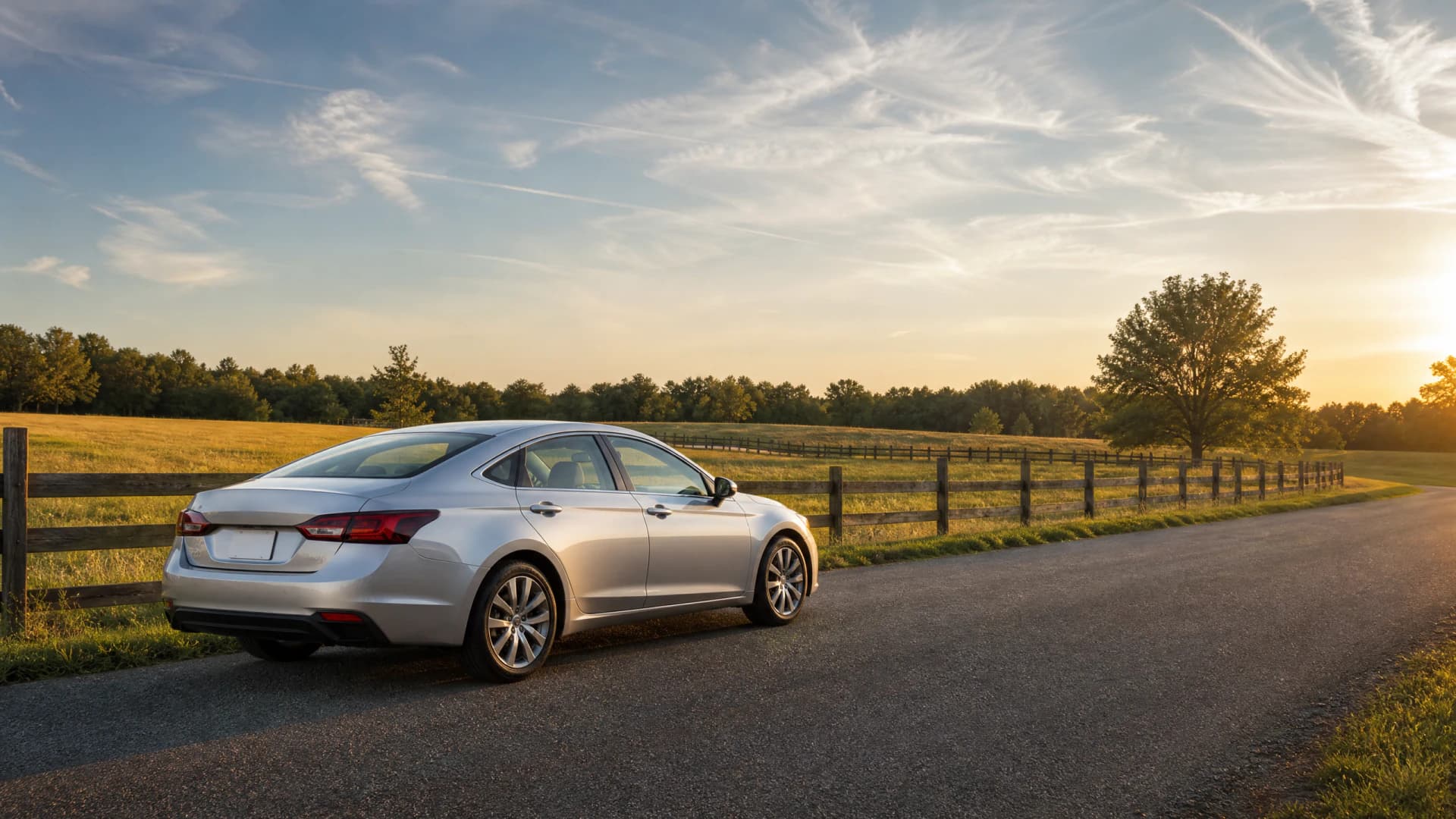
If you're driving a 2015 Honda CR-V worth approximately $12,000 and paying $800 annually for comprehensive and collision coverage with a $500 deductible, you're spending $4,000 over five years to insure against a maximum payout of $11,500 after the deductible. This calculation shifts significantly once a vehicle's market value drops below $5,000 or when annual premiums for full coverage exceed 10% of the car's value.
Tucson's risk profile affects this equation. Comprehensive coverage protects against theft, vandalism, hail damage, and animal strikes — all relevant in southern Arizona where summer monsoons bring hail, vehicle theft rates run above the national average in certain ZIP codes, and wildlife encounters occur on roads near the Catalina Foothills and Saguaro National Park. If your vehicle is parked in a garage in a low-theft area like Oro Valley or Dove Mountain, dropping comprehensive makes more sense than if you park on the street in higher-theft neighborhoods near downtown or south Tucson.
Collision coverage becomes harder to justify as vehicles age. If you're a cautious driver with a clean record and your car is worth $8,000, paying $450 annually for collision coverage with a $1,000 deductible means you'd need to total your vehicle to break even after just two years of premiums. Most financial advisors recommend dropping collision once the annual premium plus deductible exceeds 20% to 25% of the vehicle's actual cash value. You can verify your car's current market value through Kelley Blue Book or NADA Guides, using the "private party" figure rather than trade-in value for a more accurate assessment.

See What Drivers Over 65 Are Paying Now
See If You Qualify for DiscountsHow Medical Payments Coverage Interacts with Medicare for Arizona Seniors
Arizona requires liability coverage but does not mandate medical payments (MedPay) or personal injury protection, which means you choose whether to carry it. If you have Medicare Parts A and B, you already have health coverage that applies to accident-related injuries regardless of fault. The question is whether MedPay provides redundant coverage or fills specific gaps Medicare doesn't address quickly.
Medicare Part B covers medically necessary services after an auto accident, but it doesn't pay immediately at the scene or reimburse you for ambulance rides, emergency room copays, or deductibles you pay upfront before Medicare processes the claim. MedPay pays these out-of-pocket costs directly and quickly — often within days — without requiring you to determine fault or wait for a liability settlement. For Tucson seniors on fixed incomes, a $5,000 MedPay policy typically costs $40 to $80 annually and can prevent the need to carry a balance on medical bills while waiting for Medicare reimbursement.
The other consideration is passengers. If you're in an accident and your spouse or a friend riding with you is injured, your liability coverage won't pay their medical bills because you're not legally liable to your own passengers in most situations. MedPay covers passengers in your vehicle regardless of fault, which provides a layer of protection Medicare doesn't extend to others. If you rarely carry passengers and have a health savings account or emergency fund sufficient to cover Medicare gaps, MedPay may be an unnecessary expense. If you frequently drive others or want to avoid upfront medical costs, the coverage remains cost-effective even with Medicare.

Tucson-Specific Rate Factors Seniors Should Understand
Insurance rates in Tucson run approximately 8% to 15% lower than Phoenix metro averages, but specific ZIP codes show wide variation based on accident frequency, theft rates, and uninsured driver density. Drivers in 85704 (central Tucson near the University of Arizona) and 85713 (south-central Tucson) typically pay 12% to 18% more than those in 85755 (Oro Valley) or 85658 (Catalina) due to higher claim frequency and vehicle theft rates in urban core areas.
Arizona's uninsured driver rate sits near 13%, which is above the national average and creates upward pressure on uninsured motorist coverage costs. For senior drivers, uninsured motorist coverage becomes particularly important because it protects you if you're hit by a driver with no insurance or insufficient liability limits. Given that approximately one in eight drivers on Tucson roads carries no insurance, maintaining uninsured motorist coverage at limits equal to your liability coverage is standard guidance — typically $100,000 per person / $300,000 per accident if you carry those liability limits.
Summer monsoon season — June through September — brings flash flooding, dust storms, and hail that affect both collision and comprehensive claims in the Tucson area. Carriers adjust rates based on ZIP-level weather risk, which means drivers in areas prone to wash flooding or hail damage may see higher comprehensive premiums even with no personal claims history. If you have flexibility in where you park during monsoon season, garaging your vehicle or using covered parking can support a rate reduction request at renewal based on reduced exposure to weather-related damage.
How to Request and Document Discount Eligibility at Renewal
Arizona carriers process renewal paperwork 30 to 45 days before your policy expires, which is the optimal window to request discount reviews and submit documentation. Waiting until the week before renewal often means your request won't process in time, and you'll need to wait another six or twelve months for the adjustment. Contact your agent or carrier directly, state that you want a full discount eligibility review for your upcoming renewal, and ask specifically whether you qualify for mature driver, low-mileage, defensive driving, and any affinity discounts tied to memberships like AARP, AAA, or alumni associations.
Document everything in writing, even if your initial contact is by phone. Send an email confirming the discounts discussed, attaching proof of course completion for mature driver discounts, and noting your current annual mileage if you're requesting a low-mileage adjustment. Most carriers require odometer readings or a signed mileage affidavit to verify reduced driving — a simple photo of your odometer with the date visible is usually sufficient. If your carrier offers a telematics program and you haven't enrolled, ask whether a trial period is available before your renewal processes so you can evaluate the potential savings.
If your carrier confirms you were eligible for discounts during your current policy term but didn't receive them, ask whether they'll apply a mid-term adjustment or credit your account. Some carriers will retroactively apply discounts for up to 60 days if the documentation shows you qualified, though policies vary. If they refuse a retroactive adjustment, note the date you requested it and the discounts you're now receiving — this becomes your baseline for comparing quotes from other carriers when your current policy expires.
Frequently Asked Questions
Does Arizona require insurance companies to give discounts for mature driver courses?
No, Arizona does not mandate mature driver discounts, so each carrier sets its own rules. Most major insurers offer 5% to 15% discounts for drivers 55+ who complete approved courses, but you must request the discount and provide proof of completion — it won't apply automatically at renewal.
How often do I need to retake a defensive driving course to keep my senior discount?
Most Arizona carriers require recertification every three years to maintain the mature driver discount. The course completion certificate you submit will show an expiration or issue date, and your carrier will notify you when it's time to renew, though you should calendar the date yourself since reminder notices aren't guaranteed.
Should I drop comprehensive coverage on my 10-year-old car if I have Medicare?
That depends on your car's current value and Tucson-specific risks like monsoon hail and vehicle theft rates in your area. If your vehicle is worth less than $5,000 and you're paying more than $400 annually for comprehensive with a $500 deductible, the math typically favors dropping it — but if you park in a high-theft ZIP or can't afford to replace the vehicle out-of-pocket, keeping comprehensive may still make sense.
Will my Medicare cover me if I'm in a car accident in Tucson?
Yes, Medicare Part B covers medically necessary treatment after an auto accident, but it won't pay your emergency room copay or ambulance bill immediately. Medical payments coverage (MedPay) pays those upfront costs within days and also covers passengers in your car, which Medicare doesn't address.
Can I get a discount if I only drive 5,000 miles per year since retiring?
Yes, most Arizona carriers offer low-mileage discounts of 10% to 25% for drivers using under 7,500 miles annually, but you must request a mileage review and provide an odometer reading or photo. If your policy still shows the 12,000+ miles you drove while working, you won't receive the discount unless you notify your carrier of the change.
Related Articles

Convert Joint Auto Insurance After Spouse Dies | Wisconsin
4/29/2026

Oregon License Renewal at 85: Testing & Insurance Impact
4/29/2026

MO License Renewal at 75: Tests, Restrictions & Rates
4/29/2026

Surviving Spouse Auto Insurance in Colorado: Transfer Rules
4/29/2026
Car Insurance After 70: Lower Rates Despite Increases
4/1/2026

Spouse Died in Hawaii: Convert Joint Auto Policy
4/29/2026