Snowbird Car Insurance Checklist Before Heading South
Before you leave, tell your insurer where the car will be and for how long, and check that your coverage follows you there.
Free to compare
Call your agent before you leave, not after you arrive
Your policy likely covers you in any state you drive to or stay in for part of the year. The real risk isn't coverage stopping at the state line. It's your policy being written around assumptions that stop being true once you leave, like where the car is normally parked, how far you drive each day, or who else might be driving it while you're away.
Tell your insurer the dates you'll be gone and where you're headed. If you're renting a place, bringing a second car, or leaving your main car parked at home for months, each of those changes something about your risk that your insurer should know before it happens, not after a claim.
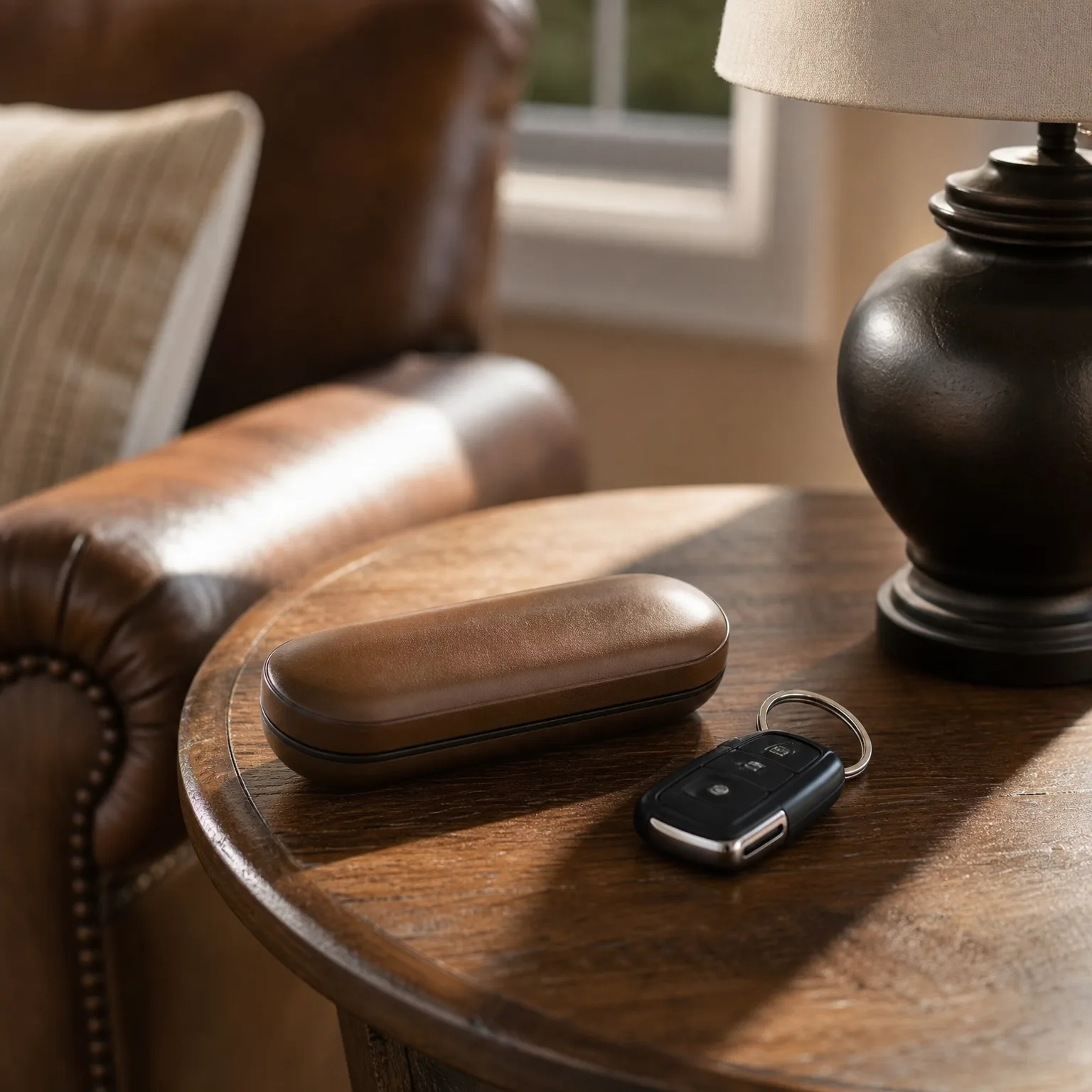
Where the car sits matters as much as where you drive it
If you're driving your car south and using it there, your policy follows you. But if you're leaving a car parked at home for months while you're away, or leaving your southern car parked all summer, an unused vehicle sitting idle can be a separate conversation with your insurer. Some policies have a mileage or usage basis that assumes regular driving, and a car parked for months changes that math.
Tell your insurer which car goes where. If one car will sit for an extended stretch, ask whether it should carry different coverage while parked, and whether anything changes if it's parked at a different address than the one on your policy.
If you garage the car at a family member's place or a storage facility while south, ask how that affects your coverage. The address where a car is usually kept is often part of how a policy is priced and written.
A second car or a second state changes your policy, not just your trip
If you'll have a car in each location, that's two vehicles to insure, and your insurer needs to know about both, even if one sits unused part of the year. Leaving a car off your policy because it's only driven occasionally isn't a safe assumption. Ask directly whether a second vehicle needs its own coverage or can be added to your existing policy.
If the second car is a rental, a borrowed car, or one you buy once you arrive, ask your agent how that's handled before you sign anything. Coverage for a car you don't own works differently than coverage for one you do.
If you'll be registering a vehicle in the second state, or if you end up spending most of the year there, ask your insurer and your state's DMV whether that changes which state's insurance rules apply to you. This is set by the state, not by your insurer, so confirm it directly with them.
Questions people ask about this
Do I need to tell my insurer if I'm driving across several states to get south?
No, a road trip through several states on the way to your destination doesn't usually require notice. What matters is where the car will be kept and driven for an extended period, not the states you pass through along the way.
What happens to my auto insurance if I don't drive my car for months?
Your policy doesn't lapse just because the car sits unused, but ask your insurer whether an idle vehicle qualifies for different coverage while parked. Leaving a car sitting without telling your insurer where it's parked can also matter if something happens to it while you're away.
Should I cancel insurance on a car I'm not using while I'm away?
Check with your insurer before canceling anything. A parked car can still be damaged, stolen, or vandalized, and comprehensive coverage protects against that even when the car isn't being driven. Canceling coverage to save money can leave you without protection and without a clean record if you need to reinsure it later.
Does my car insurance still work if I get into an accident in another state?
Your policy generally provides at least the minimum coverage required by the state you're driving in, even if that state's requirements differ from your home state's. Ask your insurer to confirm exactly how this works for your policy and what coverage applies if you're in an accident away from home.
Can someone else drive my car while I'm away for the winter?
This depends on your policy and who the driver is. If a family member or friend will be driving your car while you're gone, tell your insurer who they are and how often they'll be driving it, since an undisclosed regular driver can affect a claim.
See what other drivers your age pay before you decide what to change on your policy.
Before you pack the car, call your insurer and tell them your travel dates, where you're headed, and what happens to any vehicle you're leaving behind. Ask directly whether your coverage changes once you're out of state for an extended stretch, and get the answer in writing or by email so you have it later. If you're bringing a second car or leaving one parked, ask specifically how each one is covered during the time you're away. Have your policy number, your travel dates, and the address of where you'll be staying ready when you call. If anything about your living situation changes, like staying longer than planned or registering a vehicle in the second state, call again and update them rather than assuming it's still covered the same way.