What Snowbirds Should Tell Their Car Insurer Before Leaving
Call your insurer before you go and tell them where the car will be and how long it will be gone, because an address change or a long absence can affect what's covered.
Free to compare
Yes, tell your insurer before you leave
Your policy is written around where you normally keep and drive the car. If that changes for months at a time, your insurer needs to know. Not telling them doesn't save you anything. It just means a claim could turn into an argument about what they knew.
This matters most for two reasons. One is where the car is garaged, since that can affect your coverage and sometimes your rate. The other is what happens to the car and the house you're leaving behind. Both are worth a short phone call before you pack.

Where you'll be driving and parking
If you're driving the car to another state and leaving it there for an extended stretch, your insurer should know the car's new location, even temporarily. Some policies ask you to report this because it changes the risk they're pricing.
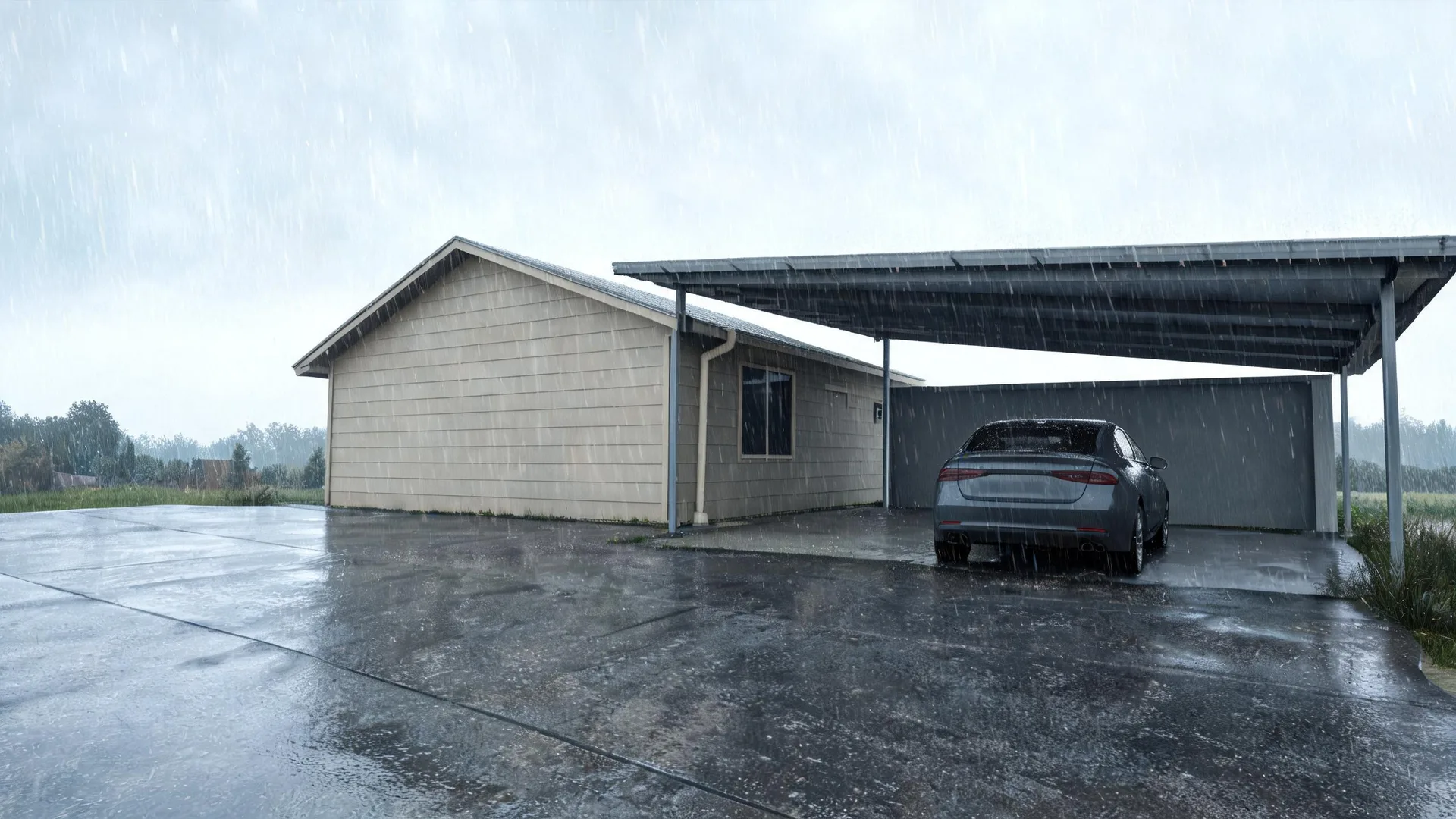
If you're flying and leaving the car behind at your northern home, say that too. A car sitting unused in a garage or driveway for months is a different risk than one being driven daily, and your insurer may want to know it's parked.
If you're buying or leasing a car in your winter state instead, that's a separate policy question entirely. Ask your insurer whether you need a second policy or whether your current one can cover a vehicle registered elsewhere.
None of this is guesswork you should do on your own. Call and describe exactly what you're doing this winter, driving down, flying down, buying a car there, and let them tell you what changes.
What happens to your home while you're away
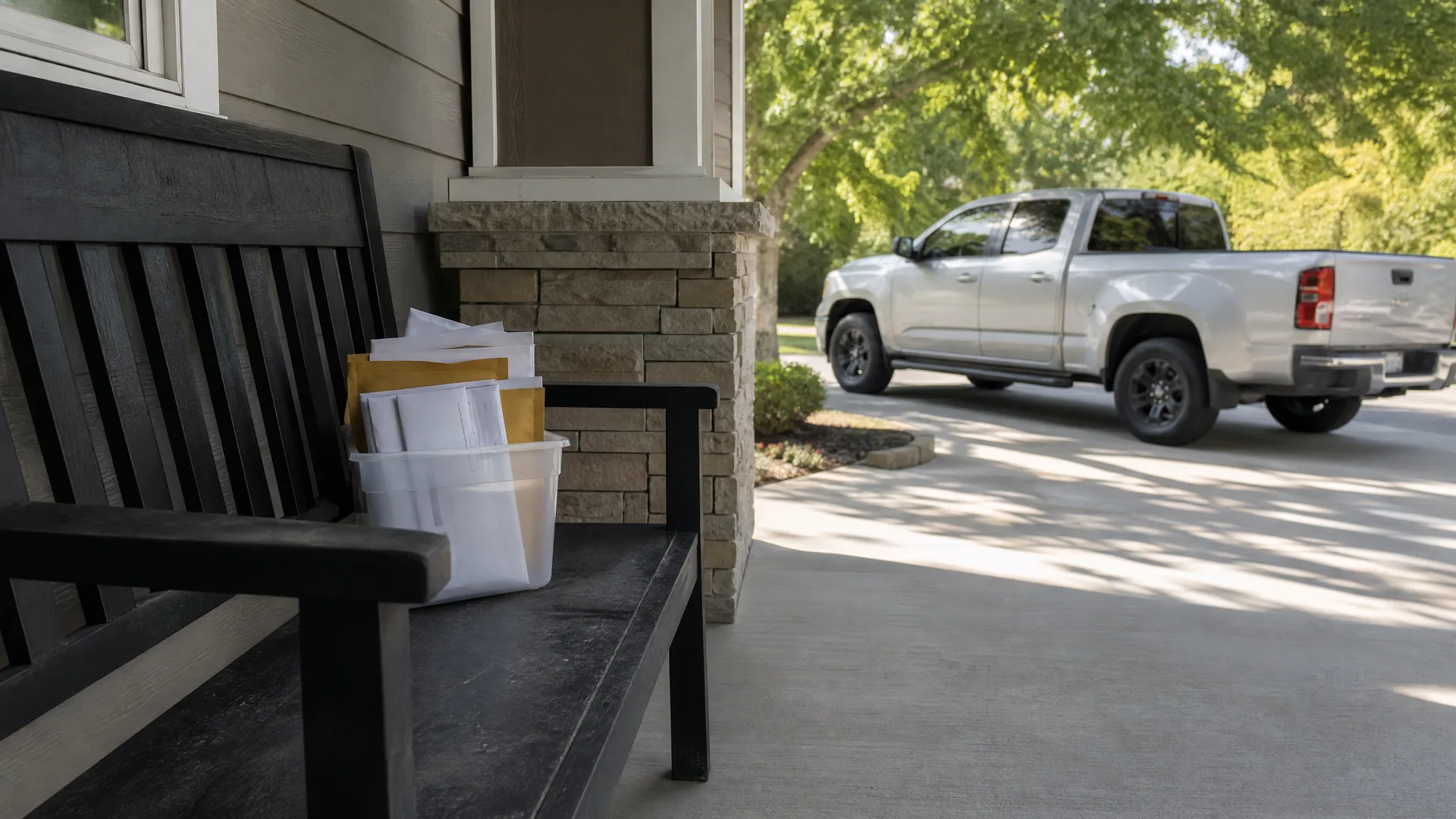
Snowbirds often focus on the car and forget that an empty house is its own conversation, usually with a different insurer. If no one is checking on the house for weeks at a time, some home policies have rules about that, and your car insurer may ask related questions if the two policies are bundled.
Tell your insurer the actual dates you'll be gone, not a rough guess. If your return date slips, a quick update call is easier than explaining after the fact why you were away longer than you said.
Ask about roadside assistance too. If your plan only covers one region or state, find out before you're stuck somewhere unfamiliar with a dead battery or a flat tire.
If you're turning the car over to a family member while you're gone, say who's driving it and how often. An insurer's answer about coverage can depend on whether the car sits idle or gets used by someone else.
Questions people ask about this
Do I need a different car insurance policy if I live in two states part of the year?
Not necessarily, but it depends on your insurer and where you're officially registered. Some companies can cover a car that spends part of the year in another state under one policy. Ask your insurer directly rather than assuming, since this varies by company and by state.
Will my insurance rate change if I tell them I'm leaving for the winter?
It might, and that's not automatically bad news. Some insurers lower rates slightly for cars that sit parked and unused for long stretches, since there's less risk of an accident. Ask what reporting the car as parked does to your premium before you assume it will go up.
What happens if something happens to my car while I'm away and no one reported it moved?
Your insurer may question the claim if the car's actual location doesn't match what's on file. This is the main reason to update them before you leave rather than after something goes wrong. A mismatch between what you told them and what actually happened can slow down or complicate a claim.
Should I tell my insurer if a family member is driving my car while I'm gone?
Yes, tell them who will be driving and how often. Most policies list who's expected to drive the car, and an insurer may want to know if someone outside that list is using it regularly while you're away.
Do I need to change my address with my car insurer if I'm gone for months but still own my home up north?
Not usually, since your legal residence and your winter location are different things. But tell your insurer the car's garaging location for those months anyway. Where you live and where the car sits are two separate pieces of information they may ask for.
See what other insurers would charge for a policy that actually fits a winter spent somewhere else.
Call your insurer this week, before you start packing. Have your travel dates, your destination, and your plan for the car, driving it, flying and leaving it parked, or buying one there, ready to describe. Ask directly how each option affects your coverage and your rate. If you're leaving the house empty too, ask your home insurer the same kind of questions, since the two policies don't always get updated together. Write down who you spoke to and what they told you, in case anything comes up later. If anything they say gives you a reason to look elsewhere, that's worth doing before you leave, not after.