What to Do With Your Car When You Head Home in Spring
Whether you drive it home, store it, or sell it depends on how long it will sit idle and what that does to your insurance.
Free to compare
It depends on how long the car will sit unused
If the car will sit for weeks before anyone drives it again, you have real choices: keep full coverage and drive it occasionally, switch to a storage policy that drops liability and collision but keeps comprehensive, or leave it with someone who'll drive it.
A car parked and unused for a long stretch still needs comprehensive coverage, because theft, fire, and weather damage don't pause when you do. What you can usually drop is the liability and collision portion, since no one is driving it. Call your insurer before you leave and ask what they offer for seasonal storage. Not every company has the same option, and some require you to ask for it by name rather than assuming it happens automatically.
Where the car will sit matters as much as how long
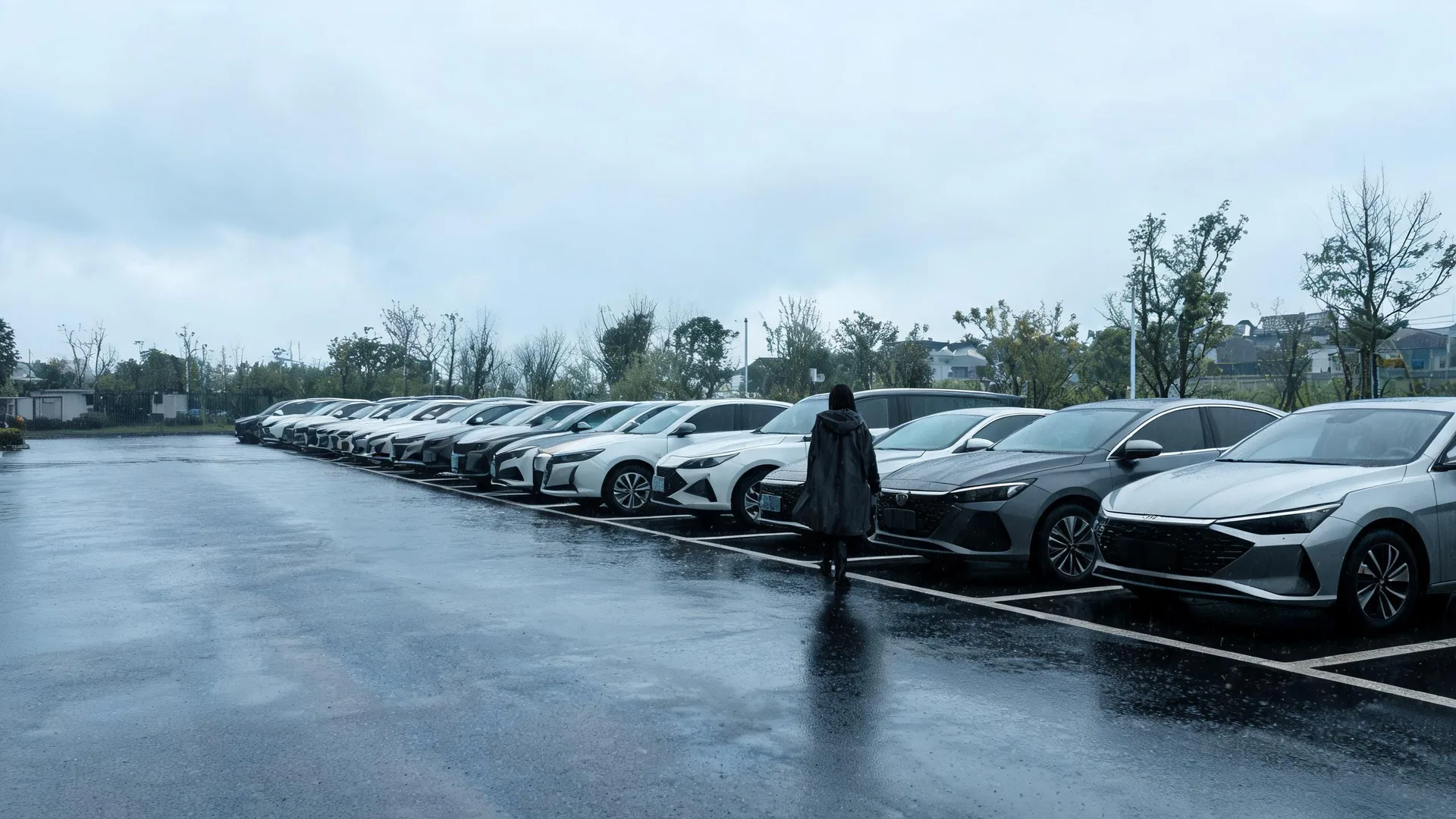
A car stored in a garage is a different risk than one left in a driveway or a parking lot for months. Tell your insurer exactly where it will be. Some storage discounts or reduced-coverage options only apply if the car is kept somewhere specific, like an enclosed garage, and they can ask for proof.
If the car stays at a second home in a different state, your insurer needs to know that too. A policy written for one state doesn't always carry the same terms if the car is actually garaged somewhere else most of the year, and your insurer may ask you to confirm the primary location of the vehicle.
If you're leaving the car with a family member or friend who'll drive it occasionally, that's a different situation again. They may need to be added to the policy as a driver, depending on how often they'll use it and what your insurer's rules are. Ask directly rather than assuming an occasional favor doesn't count.
What people get wrong about dropping coverage
Some drivers assume that if the car isn't being driven, they can drop insurance entirely. In most states that's not allowed if the car stays registered, and letting registration lapse brings its own problems, including fees to reinstate it and a gap that can affect future rates.
Others forget to tell their insurer anything at all and just stop driving the car, assuming the existing policy covers an idle vehicle the same way it covers a daily one. It usually does, but you're paying for coverage you may not need, like liability for a car nobody's driving.
The safer move is to call before you leave, say how long the car will sit and where, and ask what your options are. A short conversation now avoids a surprise later, whether that's a claim that gets questioned because the car's actual use didn't match the policy, or coverage you kept paying for without needing it.
Questions people ask about this
Do I need to tell the DMV if my car sits unused for months?
That depends on your state, since registration and any parking rules are set at the state level. Check with your state's DMV or motor vehicle agency before you leave, especially if the car will be parked on a public street rather than private property.
Can someone else drive my car while I'm away?
Usually yes, but your insurer needs to know who and how often. If a family member or friend will drive it regularly, ask your insurer whether they need to be added to the policy, since an occasional guest driver and a regular one aren't treated the same way.
Will my rate go up if I switch to a storage policy and then back?
It depends on your insurer's rules, not on the switch itself. Ask before you make the change whether going to a reduced-coverage policy and then back to full coverage affects your rate or your discount history.
What happens if my car is damaged while in storage and I didn't update my policy?
Your insurer decides this based on what your current policy actually covers, not on what you intended to have. If you didn't confirm comprehensive coverage was still active, call your insurer immediately and ask how the claim will be handled.
Should I cancel my policy instead of switching to storage coverage?
Only if the car is no longer registered or insured anywhere, which most states don't allow for a car you still own and keep. Ask your insurer whether a storage or reduced-use policy makes more sense than canceling, since a gap in coverage can affect your rates later.
See what a storage or reduced-use policy would actually cost before you decide.
Call your current insurer before you leave and tell them exactly how long the car will sit, where it will be parked, and who, if anyone, will drive it. Ask specifically about storage or reduced-use coverage, since not every company offers the same terms. Confirm with your state's DMV whether registration needs to stay active the whole time. If someone else will drive the car occasionally, ask whether they need to be added to your policy. Get any changes in writing or confirmed by email so you have a record of what was agreed before you go.