Snowbird Car Insurance From New Jersey to Florida
You can keep your New Jersey policy while you winter in Florida, but your insurer needs to know both addresses.
Free to compare
Yes, but tell your insurer where the car actually stays
You don't have to switch to a Florida policy just because you spend winters there. Insurance follows the car's home address and who's driving it, not a strict residency test. Most snowbirds keep their New Jersey policy and simply let their insurer know the car spends part of the year in Florida.
What matters is honesty about where the car is garaged most of the year. If you tell your insurer the car sits in a Florida driveway for months at a time, they may adjust your rate to reflect that, since parking, weather, and theft risk differ by location. Leaving that detail out can cause problems later if you ever file a claim from Florida.

Where you're legally considered a resident
If you're still a New Jersey resident, registered to vote there, filing New Jersey taxes, keeping your driver's license there, your car insurance almost always stays with a New Jersey insurer. Spending winter months in Florida doesn't change that on its own.
The line gets blurry when snowbirds buy property in Florida, register to vote there, or get a Florida driver's license. Some states consider you a resident once you meet certain thresholds, and those thresholds are set by each state, not by your insurer. If you've taken steps like that, check with New Jersey's Motor Vehicle Commission and Florida's Department of Highway Safety and Motor Vehicles about which state actually considers you a resident.
Being a resident of one state while insuring a car garaged in another for part of the year is common and insurers have ways to handle it. What they don't handle well is finding out after a claim that you never told them the real situation.
Whether you're driving a second car in Florida
Some snowbirds keep one car in New Jersey and a second car parked at their Florida place year-round. If that's your situation, the Florida car typically needs its own policy, sometimes through the same insurer, sometimes not, since a few insurers don't write policies in every state.
If you're driving the same car in both places, you don't need two policies. You need one policy that reflects both locations accurately. Ask your insurer directly how they want you to report seasonal addresses, since the process varies by company.
Either way, call before you go, not after you're already in Florida for the season. Changes to an active policy are far simpler than sorting out a lapse or a gap after the fact.
Questions people ask about this
Do I need a Florida driver's license if I spend winters there?
Not just for visiting part of the year. States set their own rules for when a license is required, usually tied to residency, so check with Florida's licensing agency if you're unsure where you stand.
Will my New Jersey insurer cover an accident that happens in Florida?
Generally yes, as long as your policy is active and you've told them accurately where the car is kept. Coverage follows the policy, not the state you're driving in, but an insurer that's unaware the car spends months in Florida may ask questions after a claim.
Can I pause my car insurance while I'm away and the car sits unused?
Some insurers offer reduced coverage for a car that's stored and not driven, but you typically can't drop coverage entirely if the car is still registered. Ask your insurer what options exist for a car that sits idle part of the year.
Does my New Jersey auto insurance work if I register the car in Florida instead?
If you register the car in Florida, you'll generally need a Florida policy to match, since registration and insurance are usually tied to the same state. Check with New Jersey's MVC and Florida's DHSMV about which registration applies to your situation.
Should I tell my insurer before I leave for Florida or after I arrive?
Before you leave. Insurers can update a policy for a seasonal address change more easily while everything is still in order, and you'll know what, if anything, changes about your coverage before you're relying on it in a different state.
See how your rate compares if you let your insurer know about your time in Florida.
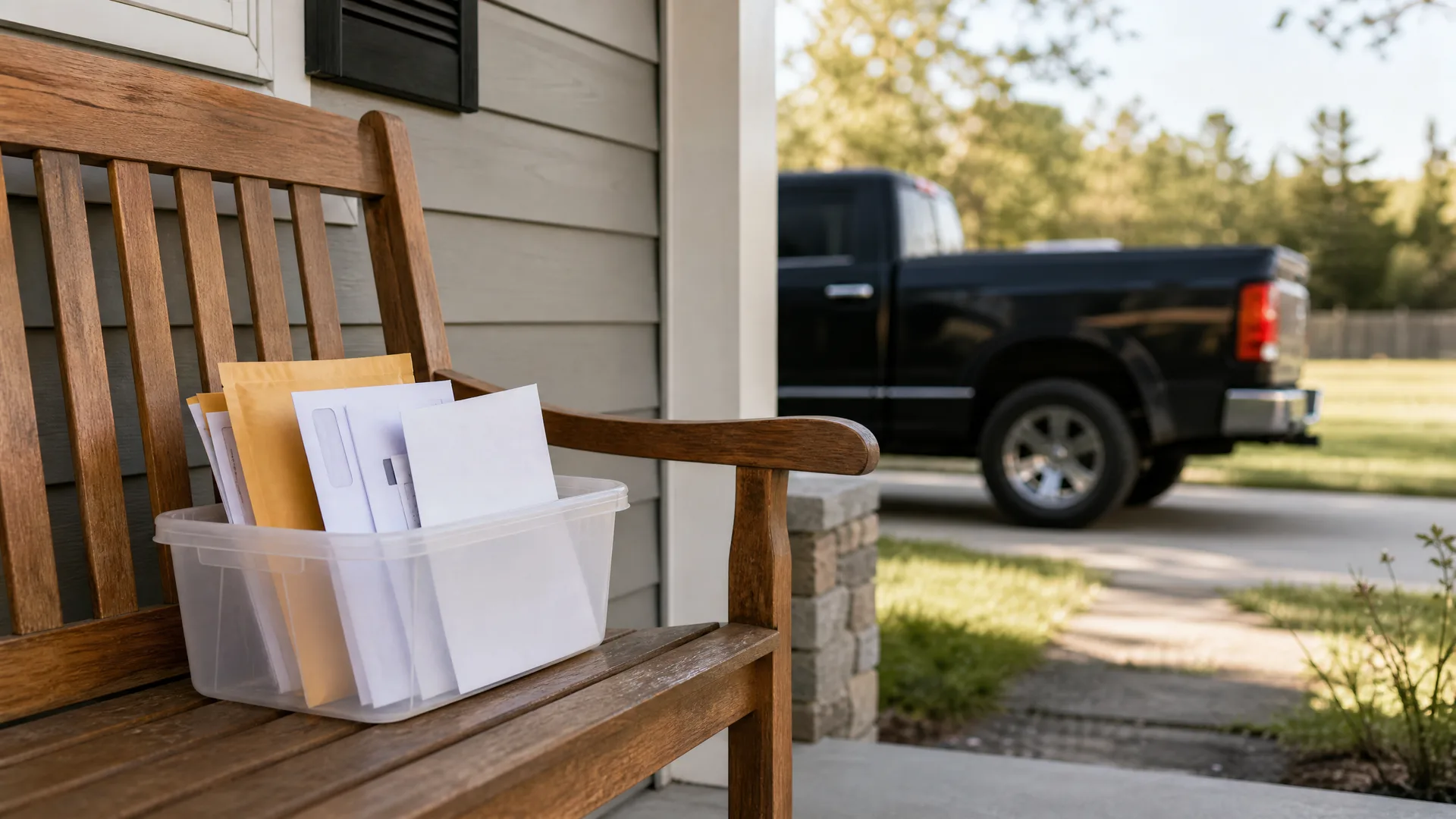
Call your current insurer before your next trip south and tell them the car will be in Florida for part of the year. Have your policy number, the Florida address, and the months you'll typically be there ready to give them. Ask whether anything about your coverage or premium changes, and get the answer in writing or by email. If you've taken any steps toward Florida residency, like registering to vote or getting a Florida license, mention that too, since it can affect which state's rules apply to you. Do this before you leave, not from the road, so you're not sorting it out during your trip.
Senior car insurance in Florida: rates, discounts and what the state requires