Snowbird Car Insurance in Florida
You can insure a car in Florida as a part-year resident, but which state counts as home for your policy depends on where the car is garaged most of the year and what your insurer and the state consider residency.
Free to compare
Yes, but your home state still has to be settled first
You can get a Florida policy or keep your policy from your other state while you split time in Florida. What you can't do is be unclear about which one is actually your home state, because that decides which state's minimum coverage rules apply, what your registration has to say, and which insurer you're legally dealing with.
Most snowbirds keep their policy in their original state if that's still where they're registered to vote, hold a license, and spend most of the year. If Florida becomes where the car actually lives for most months, some insurers will ask you to switch. Which one applies to you depends on your actual time split and what your insurer's underwriting rules say, so this is worth a direct question to your agent rather than a guess.
Where the car is garaged most of the year
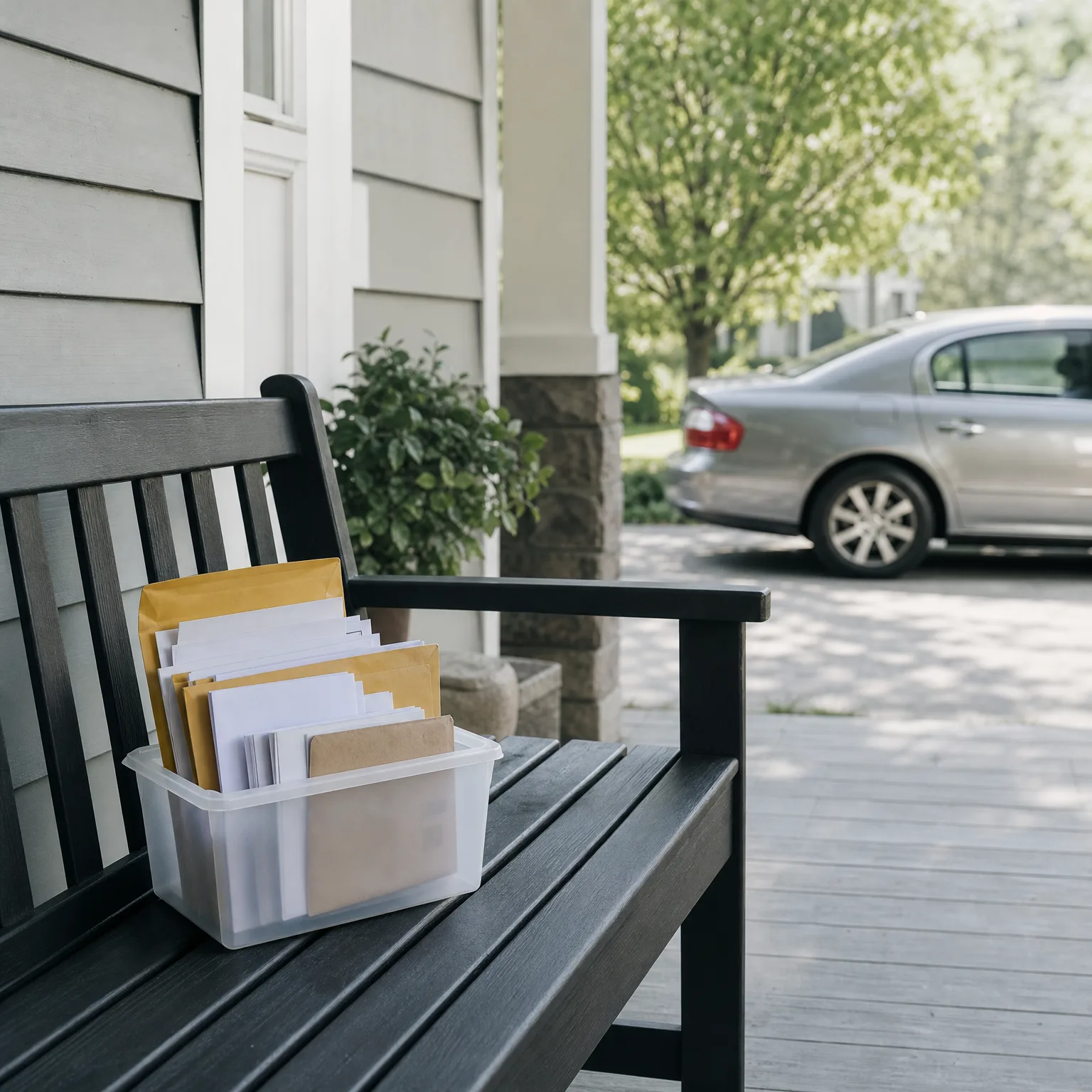
Insurers price a policy partly on where the car sits overnight, because that's what drives claims for theft, weather, and local accident rates. If your car spends several months a year parked in Florida, your insurer needs to know that, even if you don't change your legal residency.
Not telling them is the mistake to avoid. If you're in an accident in Florida and your insurer finds out the car was garaged there for months without that being reflected on your policy, they can dispute the claim on the grounds that they weren't pricing the actual risk.
Some insurers have a specific process for seasonal or secondary addresses. Others don't, and will ask you to either add Florida as a garaging address or get a separate policy for the time you're there. Ask your current insurer directly which one they do before your first trip south, not after.
If you end up needing a Florida-based policy for part of the year, check whether your insurer can write that as a single policy with two addresses, or whether you're better off asking a Florida insurer for a quote and comparing it against what your current insurer would charge to add the garaging address.

Whether Florida's no-fault rule changes what you need
Florida requires drivers to carry personal injury protection, which is different from how most other states structure car insurance. If your home state doesn't require that coverage, your current policy may not automatically include it just because you're driving in Florida part of the year.
This matters most if you're actually registering or regularly driving a car in Florida for part of the year, rather than just visiting with a car registered and insured elsewhere. A car that's only in Florida for a short visit each year is usually covered fine by an out-of-state policy that meets your home state's requirements. A car that's effectively based in Florida for months needs to meet Florida's own minimums.
Ask your insurer specifically whether your current policy satisfies Florida's PIP requirement while you're there, or whether you'd need an endorsement or a separate policy. Don't assume your home state's liability limits are enough just because they were enough at home.
Questions people ask about this
Do I need to register my car in Florida if I'm there part of the year?
This depends on how long you're there and what your home state and Florida both require, so check both states' DMV rules rather than assuming. Many states set a specific amount of time a vehicle can be present before registration there becomes required. If you cross that line in Florida, your insurer needs to know, because an unregistered vehicle can also complicate a claim.
Can I keep my car insured in my home state while living in Florida half the year?
Often yes, as long as your home state is still genuinely your legal residence and your insurer is told the car spends part of the year in Florida. The complication comes if you're registered to vote in Florida, hold a Florida license, or otherwise look like a Florida resident on paper while your car is insured elsewhere. That mismatch is what insurers and states both look at closely.
Will my insurer drop me for spending part of the year in a different state?
Not for that reason alone, but they do need accurate information about where the car is kept. Insurers cancel policies for undisclosed facts, not for having a seasonal routine. Telling them about your Florida time upfront protects you more than it costs you.
Does my auto insurance work the same way in Florida as it does at home?
Not necessarily, because Florida has its own minimum coverage requirements including personal injury protection that not every state requires. Your policy might meet your home state's rules but fall short of Florida's while you're driving there. Ask your insurer to confirm your coverage meets Florida's minimums specifically.
Should I get a separate car insurance policy just for my Florida car?
Some snowbirds do this, especially if they keep a second vehicle permanently in Florida rather than driving the same car both places. Whether it makes sense depends on how much time the car spends in each state and whether one insurer can reasonably cover both situations under one policy. Ask your current insurer what they offer before assuming you need two separate policies.
See what a policy that accounts for your time in both states would actually cost.
Before your next trip to Florida, call your current insurer and tell them exactly how many months a year the car is garaged there. Ask them directly whether your policy needs a Florida garaging address, an endorsement for Florida's PIP requirement, or a separate policy altogether. Have your registration and your typical travel dates ready, since they'll ask. While you're at it, check with Florida's DMV on how many days a vehicle can be present before registration there is required, since that rule varies and affects your insurance too. If your current insurer's answer doesn't sit right or costs more than expected, get a quote from a Florida-based insurer and compare the two side by side for the exact months you're actually there.
Senior car insurance in Florida: rates, discounts and what the state requires