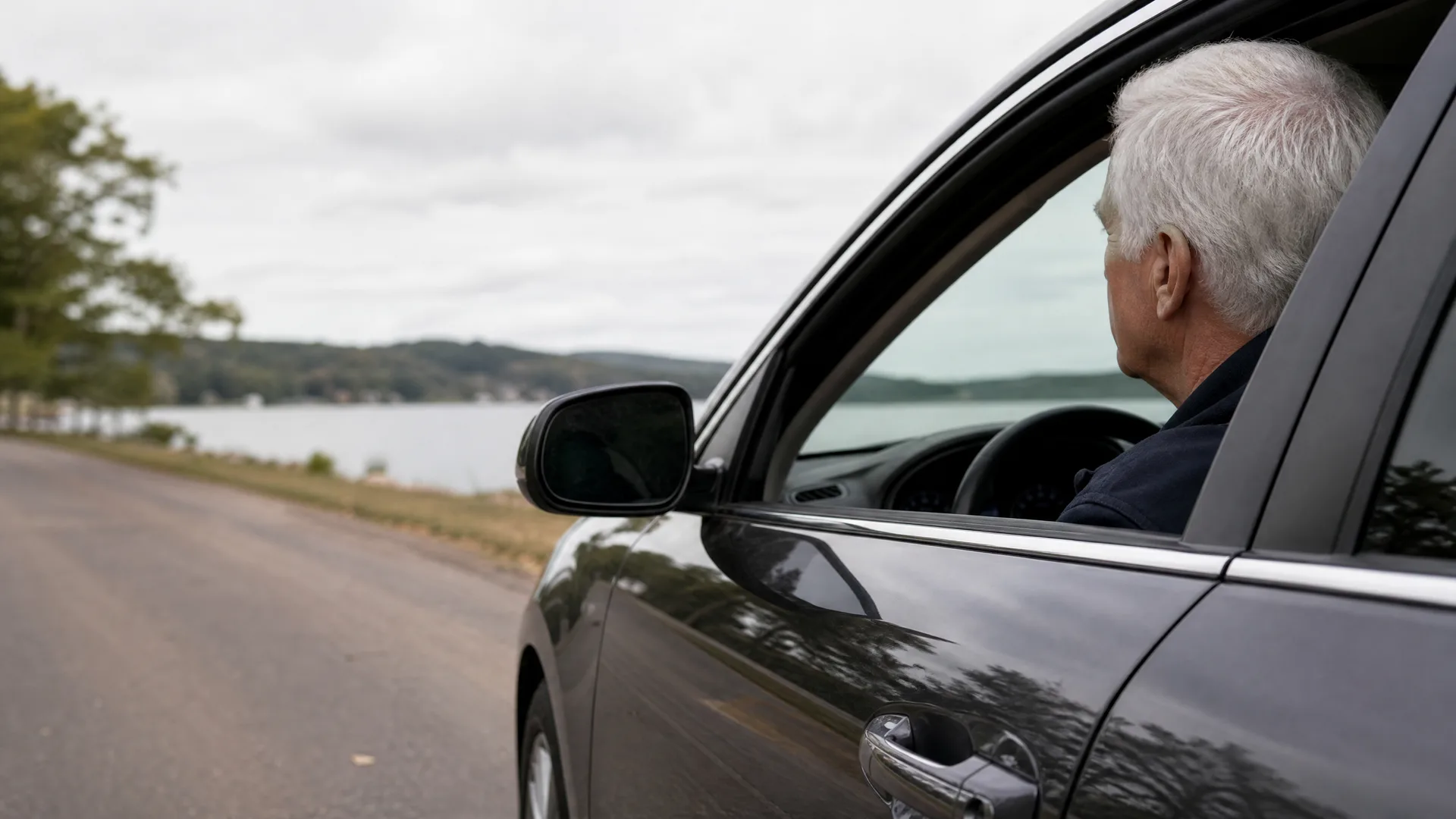
State Farm Drive Safe & Save for Seniors: How It Works & What to Expect
Free to compare
What Drive Safe & Save Monitors and How State Farm Scores Your Driving
State Farm's Drive Safe & Save uses either a mobile app or plug-in device to track four specific behaviors: hard braking events, rapid acceleration, speeding over posted limits, and time of day you drive. The program scores each trip and calculates a discount based on your cumulative safe driving performance over the enrollment period.
For senior drivers who typically drive short distances at moderate speeds, the program can work well — but two scoring factors create friction. Hard braking events are flagged even when you're responding appropriately to traffic conditions, and frequent short trips (common for errands, medical appointments, and local driving) generate more data points where a single braking event impacts your score more heavily than it would on a longer highway commute.
The initial enrollment period lasts six months. State Farm uses that data to calculate your personalized discount, which then applies to your policy for the full term. If you renew and stay enrolled, the monitoring continues and your discount adjusts based on ongoing performance.
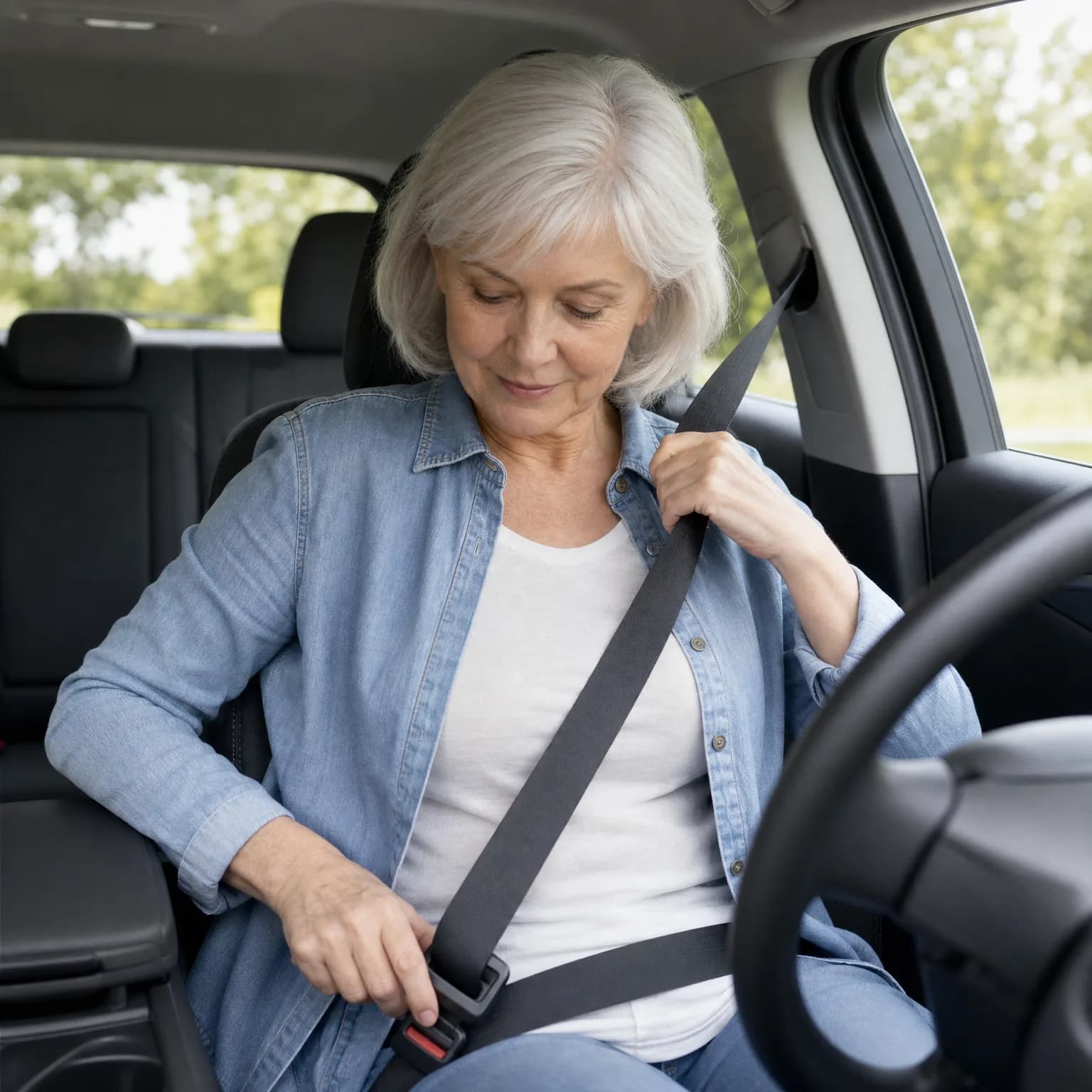
Typical Discount Range and How It Stacks with Senior-Specific Discounts
Drive Safe & Save delivers a participation discount of up to 5% just for enrolling, then adds a performance-based discount ranging from 0% to 30% based on your driving behavior. Most senior drivers with clean records and moderate mileage see total telematics discounts in the 10-20% range after the initial monitoring period.
This discount stacks with State Farm's mature driver course discount (typically 5-10% in states that mandate or incentivize it) and low-mileage discounts if you drive fewer than 7,500 miles annually. A senior driver combining all three can see cumulative savings of 20-35% compared to standard rates — but you must request verification of the mature driver course discount separately, as State Farm does not automatically apply it at renewal even if you completed an approved course.
The critical comparison: if you already qualify for a 10% mature driver discount and 8% low-mileage discount, adding Drive Safe & Save's median 12% performance discount brings meaningful additional savings. But if your driving pattern includes frequent short trips with occasional hard braking, the telematics discount may underperform compared to the predictable, behavior-independent discounts you've already secured.
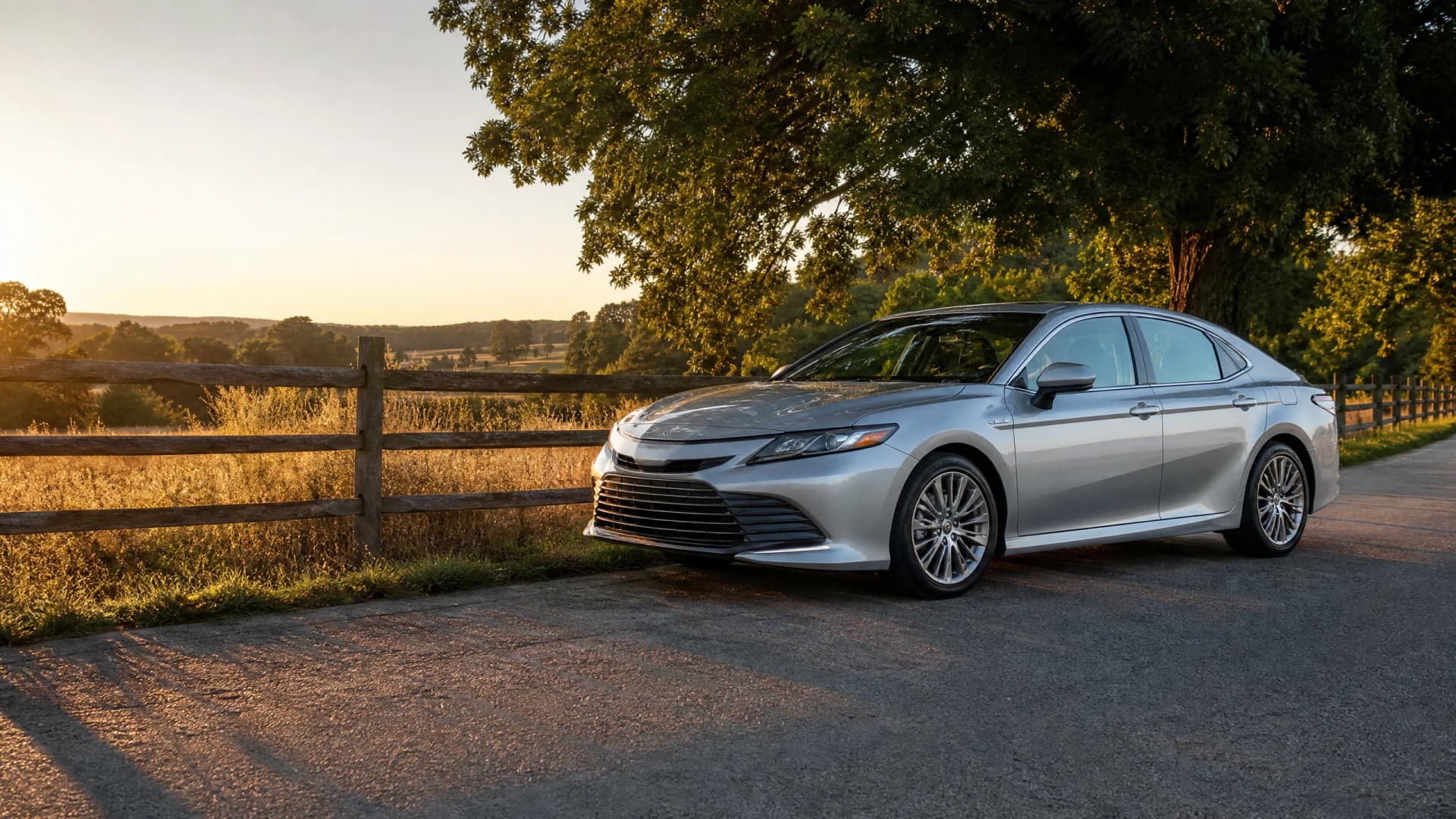

Device vs. Mobile App: Which Monitoring Method Works Better for Senior Drivers
State Farm offers two monitoring options: a plug-in device that connects to your vehicle's OBD-II port (usually located under the dashboard near the steering column) or a mobile app that uses your smartphone's sensors. Both track the same behaviors, but the data collection models differ in ways that matter for senior drivers.
The plug-in device runs automatically whenever the vehicle is in use — no need to open an app or ensure your phone is charged and connected. This makes it the more reliable choice for drivers who don't use smartphones regularly or who want to avoid the cognitive load of remembering to activate monitoring before each trip. The device does require periodic data syncing via Bluetooth or cellular connection, which State Farm manages remotely.
The mobile app option works well if you already carry your smartphone on every trip and keep Bluetooth enabled. It eliminates the need for a physical device but requires the app to run in the background, which drains battery faster and can interfere with other apps. For senior drivers who use multiple devices or share a vehicle with a spouse, the plug-in device provides cleaner data attribution — the app can mistakenly record trips where you were a passenger, which may generate braking events you didn't control.
Common Scoring Challenges Senior Drivers Encounter and How to Address Them
State Farm's scoring model flags hard braking events using accelerometer data — any deceleration above a specific threshold registers as a negative event, regardless of whether the braking was necessary or safe. Senior drivers who maintain longer following distances and brake earlier often avoid these flags, but certain driving patterns common among experienced drivers can still trigger scoring penalties.
Short trips under two miles generate proportionally more scoring events per mile driven. A single hard braking event on a one-mile trip to the pharmacy impacts your score more heavily than the same event during a 20-mile highway drive. If most of your driving consists of local errands, medical appointments, and short social trips, your score may reflect a higher braking event rate even though your actual driving is cautious and appropriate.
Time-of-day scoring penalizes driving between midnight and 4 a.m., when accident rates are statistically higher. Most senior drivers rarely drive during these hours, so this factor typically works in your favor. However, if you drive early morning hours for medical appointments, airport trips, or other legitimate reasons, those trips will lower your score despite being carefully planned and executed at low speeds on familiar routes.

See What Drivers Over 65 Are Paying Now
See If You Qualify for Discounts
Privacy Considerations and What State Farm Does With Your Driving Data
Drive Safe & Save collects trip-level data including start and end times, duration, distance, location coordinates, and event data for hard braking and acceleration. State Farm states that this data is used solely for discount calculation and policy underwriting — it is not sold to third-party data brokers or used for marketing purposes unrelated to your insurance policy.
Under current State Farm policy, telematics data is not used against you to increase rates or cancel coverage based on driving behavior alone. However, if you are involved in an at-fault accident, State Farm may review your telematics data as part of the claim investigation to assess fault and accident circumstances. This is standard practice across telematics programs and is disclosed in the enrollment terms.
You can unenroll from Drive Safe & Save at any time, but doing so forfeits any performance-based discount you've earned, and you revert to your base rate (minus any other discounts you qualify for). State Farm retains the data collected during your enrollment period for underwriting and actuarial purposes, but data collection stops immediately when you unenroll or remove the device.
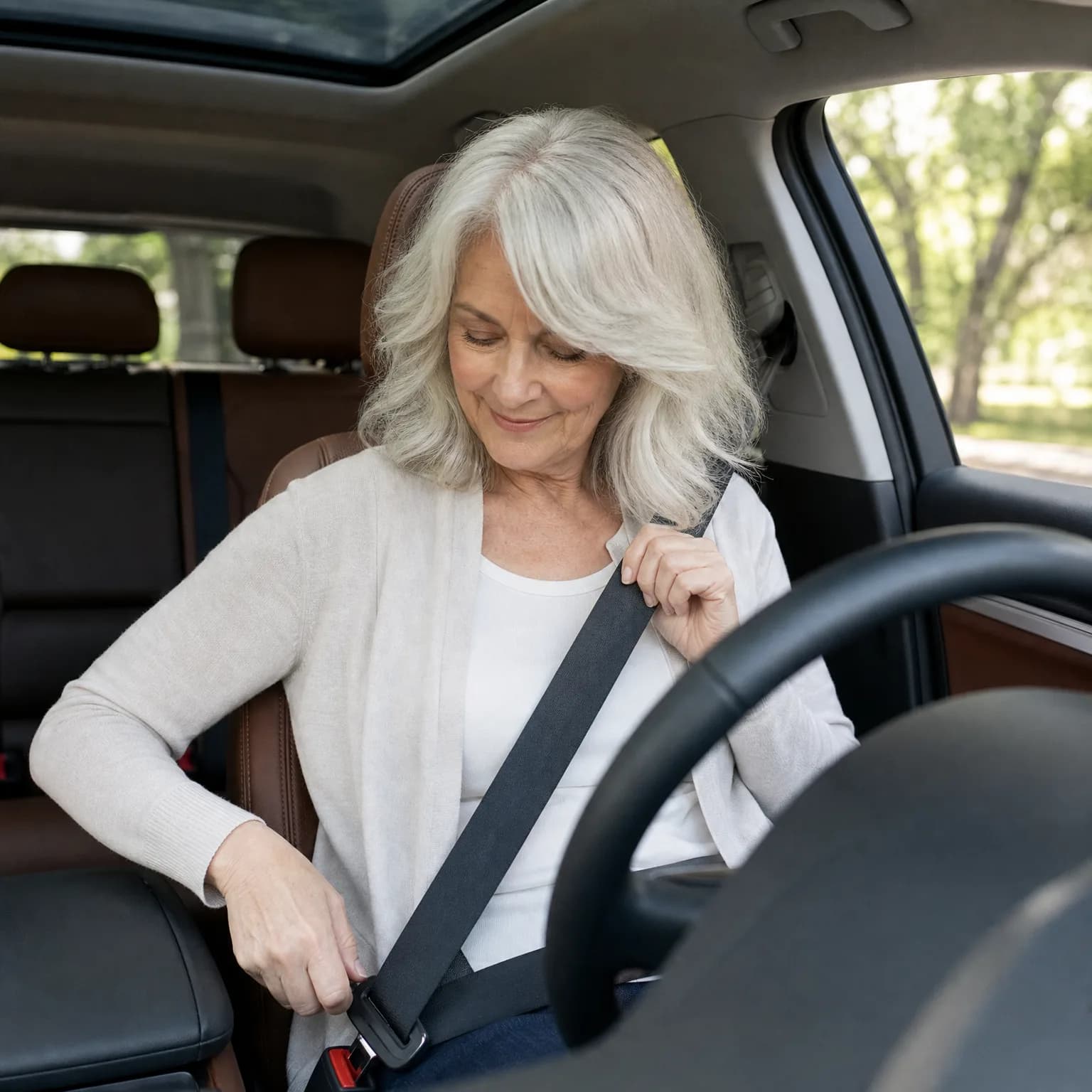
When Drive Safe & Save Makes Sense for Senior Drivers and When It Doesn't
Drive Safe & Save delivers the strongest value for senior drivers who drive primarily during daylight hours, maintain moderate speeds on familiar routes, and drive fewer than 10,000 miles annually with a mix of short and longer trips. If you already have a clean driving record and qualify for mature driver and low-mileage discounts, the telematics program adds a meaningful layer of savings without requiring behavior changes — you're being rewarded for driving habits you already practice.
The program is less valuable if your driving pattern is heavily weighted toward very short trips (under two miles) where a single braking event disproportionately affects your score, or if you're uncomfortable with ongoing location and behavior monitoring even when used solely for discount calculation. Some senior drivers prefer the simplicity and predictability of fixed discounts that don't require device management or app monitoring.
Before enrolling, compare your current premium with mature driver and low-mileage discounts applied against the potential telematics savings. If you're already receiving 18-20% in combined senior-specific discounts, adding Drive Safe & Save's median 12% performance discount is worthwhile. But if the monitoring adds stress or requires behavior changes that feel uncomfortable, the financial gain may not justify the cognitive and privacy trade-offs.
How to Enroll and What the First Six Months Look Like
Enrollment in Drive Safe & Save happens through your State Farm agent or online account. You'll choose between the mobile app or plug-in device, and State Farm ships the device within 5-7 business days if you select that option. The mobile app is available for immediate download on iOS and Android.
The first six months function as your baseline monitoring period. State Farm collects trip data and calculates your personalized discount based on your actual driving behavior during this window. You'll receive periodic updates showing your current discount projection, which helps you understand how your driving patterns are being scored. The participation discount (up to 5%) applies immediately, and the performance-based portion is added at your next renewal after the monitoring period ends.
If your score during the initial period is lower than expected, you can adjust your driving habits — allowing more braking distance, consolidating errands into fewer trips, or avoiding early morning and late-night driving — and see score improvements reflected in the final discount calculation. State Farm does not penalize you for low initial scores; the program rewards improvement over the monitoring window.
Frequently Asked Questions
Can State Farm use Drive Safe & Save data to raise my rates or drop my coverage?
State Farm does not use telematics data to increase your premium or cancel your policy based on driving behavior alone. The data is used only to calculate your discount and, if you're involved in an at-fault accident, may be reviewed during the claim investigation to assess fault. Your rates can still increase due to accidents, violations, or market-wide rate adjustments, but not solely because of telematics scoring.
What happens to my discount if I stop using Drive Safe & Save after the first six months?
If you unenroll from Drive Safe & Save, you immediately lose the performance-based discount portion and revert to your base rate minus any other discounts you qualify for (such as mature driver or low-mileage). The participation discount also ends. State Farm stops collecting data when you unenroll, but retains data from your enrollment period for underwriting purposes.
Does Drive Safe & Save work if I share my vehicle with my spouse?
Yes, but both drivers' behavior affects the score if you use the plug-in device, which tracks all trips in that vehicle regardless of driver. If you use the mobile app, only trips where your phone is present are scored under your profile. For shared vehicles, the plug-in device provides simpler data management but means both drivers must maintain safe habits to maximize the discount.
How does State Farm define a hard braking event and can I see when they occur?
State Farm uses accelerometer data to detect braking above a specific deceleration threshold, typically comparable to stopping quickly to avoid a hazard. The exact threshold isn't publicly disclosed, but you can view flagged events through the app or online portal, including date, time, and location. Most drivers see 1-3 events per 100 miles as typical, with zero events per 100 miles maximizing your score.
Will my discount change after the initial six-month period if I keep Drive Safe & Save active?
Yes, State Farm recalculates your discount at each policy renewal based on your ongoing driving data. If your driving habits remain consistent, your discount typically stays stable. If your performance improves or declines, your discount adjusts accordingly at renewal. This means the discount can increase over time if you maintain or improve safe driving patterns.
Related Articles
Convert Joint Auto Insurance After Spouse Dies | Wisconsin
4/29/2026
Oregon License Renewal at 85: Testing & Insurance Impact
4/29/2026
MO License Renewal at 75: Tests, Restrictions & Rates
4/29/2026

Surviving Spouse Auto Insurance in Colorado: Transfer Rules
4/29/2026
Car Insurance After 70: Lower Rates Despite Increases
4/1/2026
Spouse Died in Hawaii: Convert Joint Auto Policy
4/29/2026