
Surviving Spouse Auto Insurance in Maine: What Happens Next
Free to compare
Does Auto Insurance Continue After a Spouse Dies in Maine?
Your spouse's auto policy remains active through the current term in Maine, even after death. Maine law does not require immediate cancellation, and most carriers will honor coverage continuity for a surviving spouse during the policy period already paid for.
You must notify the carrier within 30 days of the death. This notification does not cancel the policy — it updates the named insured and begins the process of transferring the policy into your name alone. If you miss this window, the carrier can void coverage retroactively or deny claims filed after the date of death, even if premiums were paid.
The vehicle title transfer through probate operates on a separate timeline. Maine probate typically takes 6 to 12 months for a standard estate. Insurance continuation does not depend on completing probate first — carriers accept a death certificate and your status as surviving spouse to update the named insured while the title remains in the estate.

What Happens to Rates and Discounts at Renewal?
The current policy term continues at the existing premium. At renewal — typically 6 or 12 months after the death — the carrier re-rates the policy based on your individual profile, not the joint policy history you shared.
Multi-car discounts disappear if you reduce from two vehicles to one. If your spouse was the primary driver on both vehicles and you were listed as an occasional driver, your new rate reflects you as the sole primary driver. Mature driver course discounts tied to your spouse's completion do not transfer — you must complete the course yourself to qualify. Carriers cannot grandfather joint-policy discounts into a single-name renewal.
Maine seniors renewing after a spouse's death see premium changes ranging from a 15% decrease (if the deceased spouse had violations or was rated higher-risk) to a 40% increase (if multi-car, multi-driver, and loyalty discounts are lost simultaneously). Request a full discount review 60 days before renewal. Many widowed policyholders qualify for low-mileage discounts they were not eligible for under the joint policy.
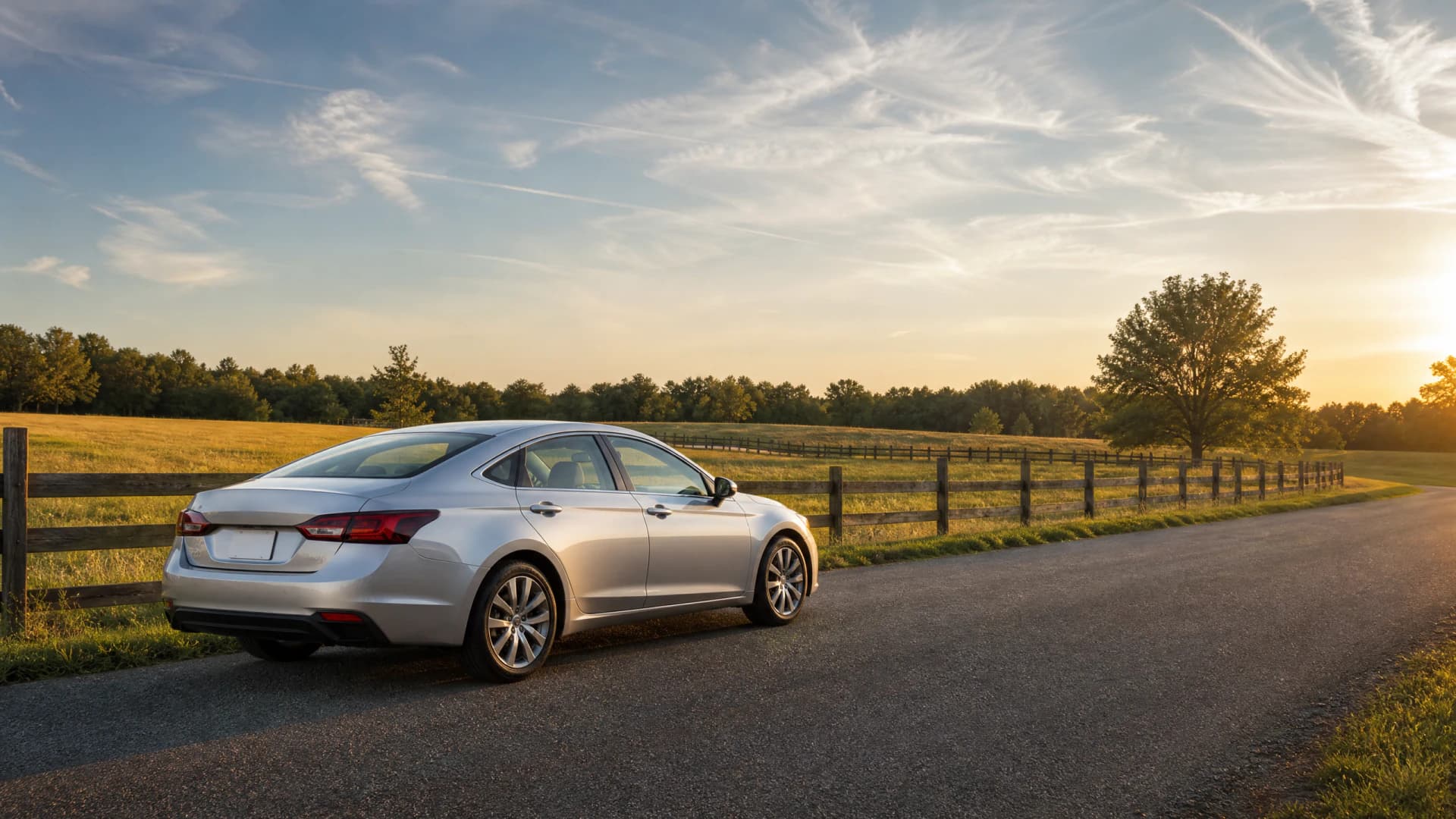

When to Remove a Vehicle vs. Keep It Insured During Probate
If you will not drive the second vehicle during probate, you can reduce to liability-only or suspend coverage in Maine. Suspension is not the same as cancellation — it removes collision and comprehensive but maintains minimum liability to keep the registration valid and avoid a lapse that increases future premiums.
If the estate must sell the vehicle, maintain at least liability coverage until title transfer closes. Maine requires proof of insurance at the time of sale, and buyers often request that the seller maintain coverage through the transaction date. Dropping coverage entirely before the sale can delay closing and creates a coverage gap on your record.
If you plan to keep the vehicle but use it infrequently — common when one vehicle was your spouse's daily driver — ask your carrier about storage or low-use coverage. This reduces premiums during probate while maintaining comprehensive coverage against theft, weather damage, or vandalism while the vehicle sits unused.
How to Transfer the Policy Into Your Name Alone
Call your carrier within 30 days of the death with the policy number and a copy of the death certificate. Most Maine carriers accept a scanned or faxed death certificate initially and request a certified copy only if probate or title disputes arise.
The carrier will remove your spouse as a named insured and list you as the sole policyholder. This change does not trigger re-rating until renewal. Ask the representative to confirm in writing that coverage continues without interruption and that no lapse will be recorded during the transfer process.
If your spouse held the policy in their name only and you were listed as a driver but not a named insured, the carrier may require you to apply as a new policyholder rather than transferring the existing policy. This distinction matters — a transfer continues your policy history and renewal date, while a new application treats you as a first-time customer with that carrier and may reset loyalty discounts or rate tenure.

See What Drivers Over 65 Are Paying Now
See If You Qualify for Discounts
Does Medicare Change What Auto Insurance You Need?
Medicare does not cover injuries from auto accidents. If you are 65 or older and enrolled in Medicare, you still need medical payments coverage or personal injury protection on your Maine auto policy to cover accident-related injuries.
Maine does not require medical payments coverage, but it is available as an optional coverage on every policy. Medical payments coverage pays your medical bills after an accident regardless of fault, up to your selected limit — typically $1,000 to $10,000. Medicare will not pay these bills first, and auto insurers will not coordinate benefits with Medicare automatically.
If you reduced or dropped medical payments coverage when your spouse was alive because their employer health plan provided strong coverage, review that decision now. Many widowed seniors on Medicare alone carry $5,000 in medical payments coverage to avoid out-of-pocket costs for emergency treatment, ambulance transport, or follow-up care after an accident.

Should You Keep Full Coverage on a Paid-Off Vehicle?
If the vehicle is worth less than $4,000 and you have savings to replace it, dropping collision and comprehensive often makes sense. Collision and comprehensive premiums on an older vehicle can run $40 to $80 per month in Maine — $480 to $960 per year to insure a car you could replace outright for $3,500.
If the vehicle is worth more than $8,000 or you do not have liquid savings to replace it after a total loss, keep full coverage. Comprehensive coverage in Maine costs $15 to $35 per month on average for senior drivers with clean records, and it covers theft, vandalism, weather damage, and animal strikes — all common in rural Maine.
Run this calculation at renewal: multiply your current collision and comprehensive premium by 12, then compare that annual cost to the vehicle's actual cash value. If you are paying more than 25% of the vehicle's value per year to insure it fully, consider liability-only unless the vehicle is your only transportation and you cannot afford sudden replacement costs.
What If the Deceased Spouse Had Violations or a DUI on the Policy?
Violations and accidents assigned to your deceased spouse do not transfer to your individual driving record when the policy is rewritten in your name. At renewal, the carrier rates you based only on your personal history — your violations, your accidents, your license status.
If your joint policy carried high premiums because your spouse had a DUI, multiple speeding tickets, or an at-fault accident in the past three years, your renewal rate as a sole policyholder will drop significantly. Maine carriers cannot penalize you for violations you did not commit, even if those violations appeared on a shared policy.
Request a motor vehicle record review from the Maine Bureau of Motor Vehicles before renewal. Confirm that no violations are incorrectly attributed to you. Errors in BMV records occasionally assign a spouse's violation to the wrong driver, particularly if both drivers share a similar name or were listed interchangeably as primary drivers on police reports.
Frequently Asked Questions
Can I keep my spouse's car insurance policy after they die?
Yes, in Maine the policy continues through the current term if you notify the carrier within 30 days and provide a death certificate. The carrier will transfer the policy into your name alone without canceling coverage or creating a lapse.
Will my car insurance rate go up after my spouse dies?
Not during the current policy term. At renewal, your rate will be recalculated based on your individual profile — if you lose multi-car or multi-driver discounts, premiums may increase 20% to 40%, but if your spouse had violations, your rate may decrease.
Do I need to wait for probate to close before changing my car insurance?
No. You can update the named insured on the policy immediately using a death certificate, even while the vehicle title remains in the estate. Probate and insurance operate on separate timelines in Maine.
What happens if I don't tell my insurance company my spouse died?
The carrier can deny claims filed after the date of death if you did not notify them within 30 days. Even if premiums were paid, coverage can be voided retroactively for material misrepresentation of the named insured.
Does Medicare cover car accident injuries for seniors in Maine?
No. Medicare does not pay for injuries from auto accidents. You need medical payments coverage or personal injury protection on your Maine auto policy to cover accident-related medical bills regardless of fault.
Related Articles

Removing Deceased Spouse From Auto Policy in Maine
4/29/2026

Surviving Spouse Auto Insurance in Minnesota: Probate Guide
4/29/2026

Surviving Spouse Auto Insurance in Oregon: Probate Guide
4/29/2026

Surviving Spouse Auto Insurance NH: Probate & Renewal
4/29/2026

Spouse Died in Maine: Convert Joint Auto Policy Guide
4/29/2026

Surviving Spouse Auto Insurance Missouri: Probate Timing
4/29/2026