
Vision Requirements for Alabama License Renewal After 65
Free to compare
Alabama Vision Standards at Age 65 and Older
Alabama requires 20/40 vision in at least one eye to pass the unrestricted vision test at license renewal. If you're 65 or older, the Alabama Law Enforcement Agency (ALEA) administers this test at every renewal, which occurs every four years. Between ages 16 and 64, vision testing is random; after 65, it's mandatory.
You can wear corrective lenses during the test. If your vision corrects to 20/40 or better with glasses or contacts, you receive an unrestricted license with a corrective lens notation. The examiner uses a standard vision screening device, not a full eye exam — you'll read lines of letters or symbols at a fixed distance.
If your corrected vision falls between 20/50 and 20/100 in your better eye, you don't automatically lose your license. Alabama offers four restriction categories based on vision acuity, and most seniors who fail the 20/40 threshold qualify for at least one restricted class. The restriction prints on your license and becomes part of your driving record, which means your insurer will see it at your next policy renewal.
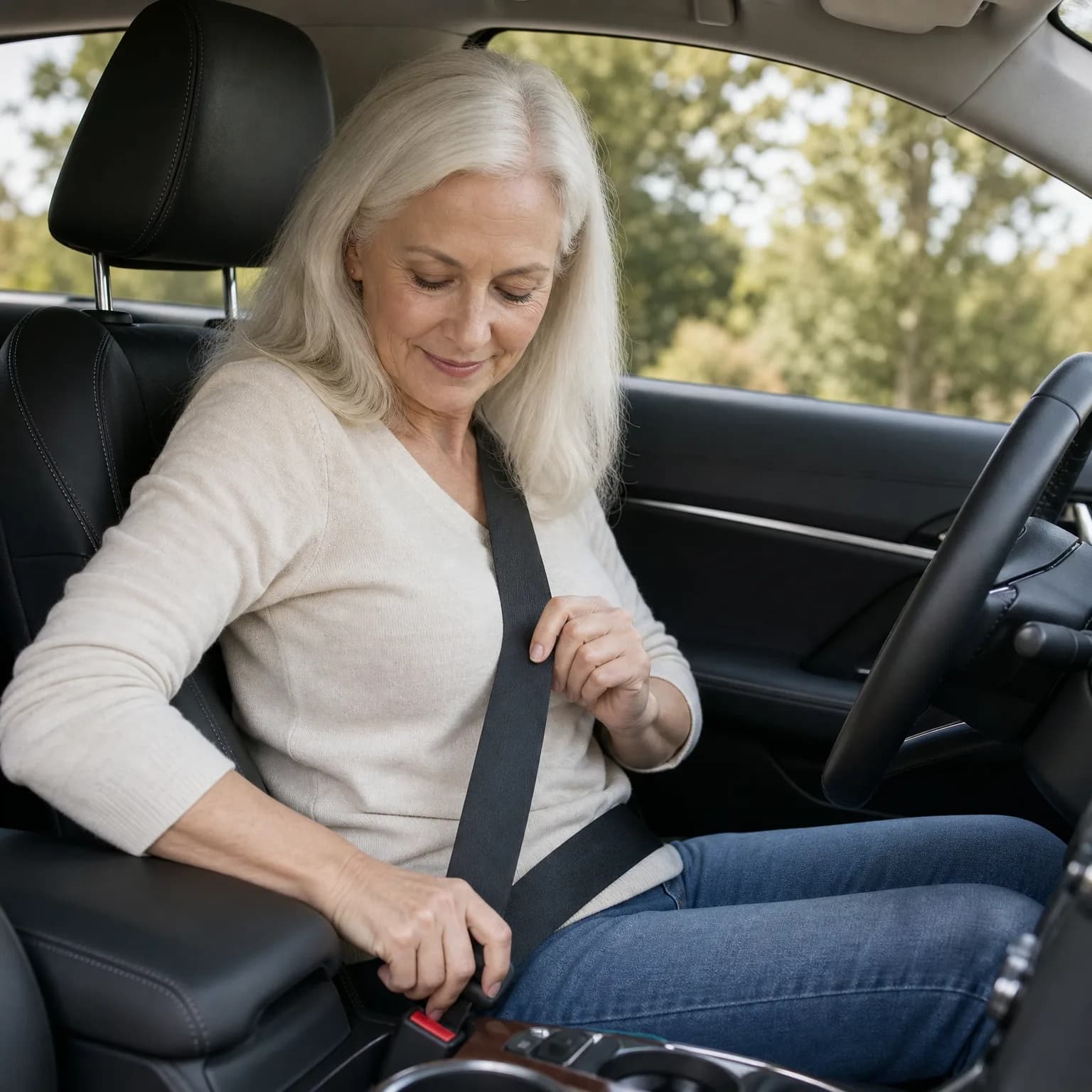
The Four Vision Restriction Levels Alabama Offers
Alabama assigns restrictions based on measured acuity in your better eye. A daylight-only restriction applies if your vision tests between 20/60 and 20/100. This prohibits driving from sunset to sunrise but places no other limits on route type or speed.
A speed restriction (45 mph maximum) applies if your peripheral vision is reduced but central acuity remains adequate. An area restriction limits you to a specific radius from your home address, typically 25 or 50 miles, and appears most often when depth perception is compromised. The most limited category combines multiple restrictions — daylight only, maximum speed, and area limits.
You can request a specific restriction if you know your vision will not meet the 20/40 standard. Bringing a completed eye exam report from your optometrist or ophthalmologist to the renewal appointment gives the examiner documentation to justify the restriction category. Without that documentation, the examiner assigns the restriction based solely on the screening device results, which may be more conservative than your actual functional vision.


What Happens If You Fail the Vision Test at Renewal
If your vision does not meet the 20/40 standard and the examiner cannot assign a restriction on-site, ALEA issues a 60-day temporary license and requires a vision specialist report. The report must come from a licensed optometrist or ophthalmologist and must state your corrected acuity in each eye, your peripheral field measurement, and whether you can safely operate a vehicle with or without restrictions.
You submit the completed report to ALEA within 60 days. If the report supports restricted licensure, ALEA processes your permanent license with the appropriate notation. If the report does not support safe operation even with restrictions, your license is not renewed. The 60-day temporary period does not extend — if you miss the deadline, your license expires and you must reapply as a new driver, which includes retaking the written and road tests.
Most insurers treat a lapsed license as a gap in continuous licensure. A single-day lapse can trigger a non-renewal notice at your next policy term, or reclassify you into a non-standard tier with significantly higher premiums. If you know your vision is borderline, schedule an eye exam before your renewal date and bring the report with you.

See What Drivers Over 65 Are Paying Now
See If You Qualify for DiscountsHow a Restricted License Affects Your Insurance Rates
A daylight-only restriction does not automatically increase your premium. Most carriers view it as a risk reduction — you're removing the highest-accident timeframe from your exposure. If you already drive fewer than 7,500 miles per year and rarely drive after dark, the restriction formalizes behavior that should lower your risk profile.
Carriers differ on how they treat area and speed restrictions. Some apply a surcharge because the restriction signals a medical or functional impairment. Others apply no penalty but require annual verification that the restriction remains appropriate. A small number of carriers will non-renew a policy once any vision-based restriction appears, particularly if you also carry comprehensive and collision coverage on a vehicle worth more than $15,000.
You are required to notify your insurer of any license restriction within 30 days of issuance under Alabama law. Failure to disclose can void coverage if you're involved in an accident outside your restriction parameters — for example, driving at night on a daylight-only license. The claim will be denied and the carrier can retroactively cancel your policy for material misrepresentation.
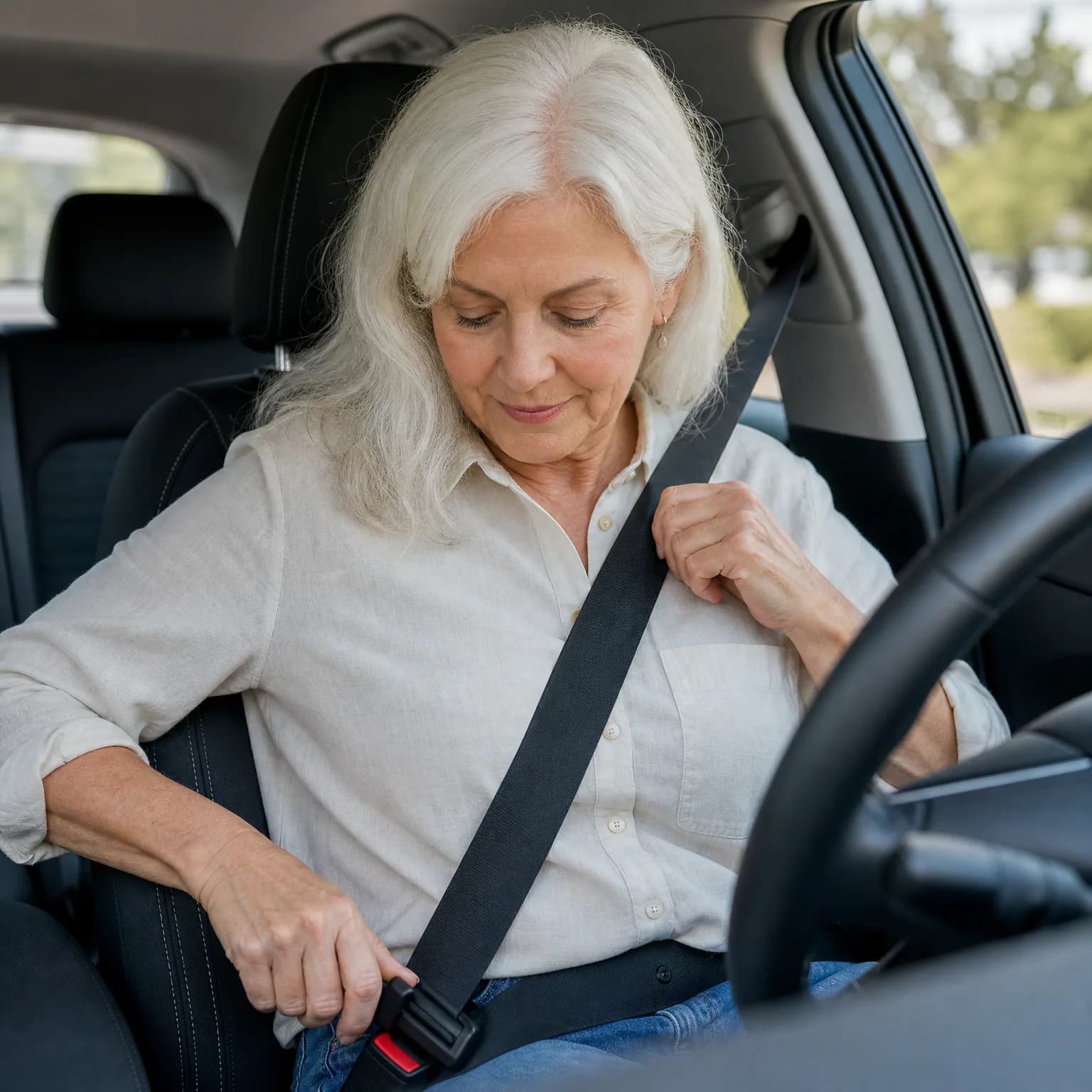
Requesting a Restricted License Before You Fail the Test
You can request a restricted license before taking the vision test if you know you will not pass the standard. Bring a vision report from your eye doctor that includes a recommendation for specific restrictions. ALEA will issue the restricted license without requiring you to fail the screening first.
This approach prevents the 60-day temporary license period and eliminates any gap in valid licensure. It also gives you time to notify your insurer and adjust your policy before the restriction becomes part of your driving record. Some carriers offer mileage-based or usage-based programs that reduce premiums for drivers with daylight-only restrictions, but these programs require enrollment before the restriction is applied.
If you are currently driving fewer than 5,000 miles per year and never drive after dark, a daylight restriction may lower your annual premium by 8–15% with carriers that offer time-of-day rating. That discount is not automatic — you must ask for it and provide proof of the restriction.

When to Consider Surrendering Your License Voluntarily
If your vision does not support even the most restricted license category, surrendering your license voluntarily prevents a formal denial from appearing on your driving record. A voluntary surrender is not reported to insurers as a failure or revocation.
Some seniors maintain a non-driver ID and a suspended auto policy to preserve their insurance history and avoid a future gap in coverage if their vision improves or they relocate to a state with different vision standards. This is not common, but it prevents the need to reapply as a new insured later, which results in significantly higher rates.
If you are no longer driving, cancel your auto insurance only after you have surrendered your license and transferred vehicle ownership or placed the vehicle in storage with non-operational status. Canceling insurance while you still hold a valid license and registered vehicle can trigger a license suspension for failure to maintain required coverage, even if you are not actively driving.
Frequently Asked Questions
Does Alabama require a vision test every time I renew my license after 65?
Yes. Alabama mandates vision testing at every renewal for drivers 65 and older. Renewals occur every four years, and the test is administered in person at an ALEA office or licensed renewal location. You cannot renew online or by mail once you reach age 65.
Can I renew my Alabama license online if I'm over 65?
No. Alabama requires in-person renewal for all drivers 65 and older specifically to conduct the mandatory vision test. Online and mail renewal options are only available to drivers under 65 who meet eligibility requirements.
Will my insurance company find out if I get a restricted license in Alabama?
Yes. License restrictions print on your driver's license and become part of your MVR, which insurers check at every policy renewal and often at initial application. Alabama law also requires you to notify your insurer within 30 days of any restriction being added to your license.
What happens to my car insurance if I can no longer pass the vision test?
If you receive a restricted license, most insurers will continue coverage but may adjust your premium based on the restriction type. If your license is not renewed due to vision failure, you must cancel your policy or transfer the vehicle to another household member to avoid a suspension for uninsured vehicle registration.
Can I drive in other states with an Alabama daylight-only restriction?
Yes, but the restriction follows you. All states recognize out-of-state license restrictions under interstate driver's license compacts. Driving outside your restriction in any state voids your insurance coverage and can result in citation for operating outside license class.
Related Articles
Alabama License Renewal at 70: Vision & Insurance Impact
4/29/2026

Alabama License Renewal at 85: Testing and Insurance
4/29/2026

Alabama License Renewal at 75: Medical Review Rules
4/29/2026

Alabama License Renewal at 80: Screening & Road Tests
4/29/2026

Alaska Vision Test at 69: Renewal Rules for Seniors
4/29/2026

Arkansas Vision Test for License Renewal: Senior Guide
4/29/2026