What Distracts Older Drivers the Most
The biggest distractions for older drivers are often the ordinary ones, like talking passengers or roadside signs, because reaction time has less room to absorb them.
Free to compare
It's usually attention split between two things at once, not phones
Studies on older drivers point to divided attention as the main problem. That means trying to read a sign, check a mirror, and respond to traffic all in the same few seconds. It's not usually about picking up a phone. It's about the brain needing more time to switch between tasks than it used to.
A conversation with a passenger, a complicated intersection, or even adjusting the radio can take up enough attention that reaction time slips. For a younger driver this costs a fraction of a second. For an older driver, especially one with any decline in processing speed or vision, that fraction can be the difference between stopping in time and not.
Vision and reaction time together
Distraction hits harder when eyesight or reaction time is already working at the edge of what it used to be. A younger driver who glances at a passenger and back usually recovers without issue. An older driver doing the same thing may need more distance and more time to process what changed on the road while they looked away.
This is part of why some states require vision tests or shorter renewal cycles as drivers age. It's not a judgment on any one person's driving. It's an acknowledgment that eyesight and reaction time change gradually, and distraction exposes that change faster than normal driving does.
If you've noticed it takes you longer to react than it used to, that's worth mentioning to your doctor, not just something to manage on your own. An eye exam and a plain conversation about reflexes can tell you more than guessing.
Your insurer may ask about vision correction or recent accidents when you renew. Being accurate about both protects you if a claim ever comes up.
What most people get wrong about it
Most people assume the fix is cutting out phones and GPS, since those get the most attention in the news. But researchers studying older drivers find that passenger conversation and complex intersections cause more trouble, simply because they happen constantly and demand real-time judgment.
Another common mistake is assuming a clean driving record means distraction isn't a factor. It often shows up as near misses or close calls rather than accidents, because older drivers tend to compensate by slowing down or avoiding certain situations. That adjustment is smart, but it can also hide a growing issue until a harder moment exposes it.
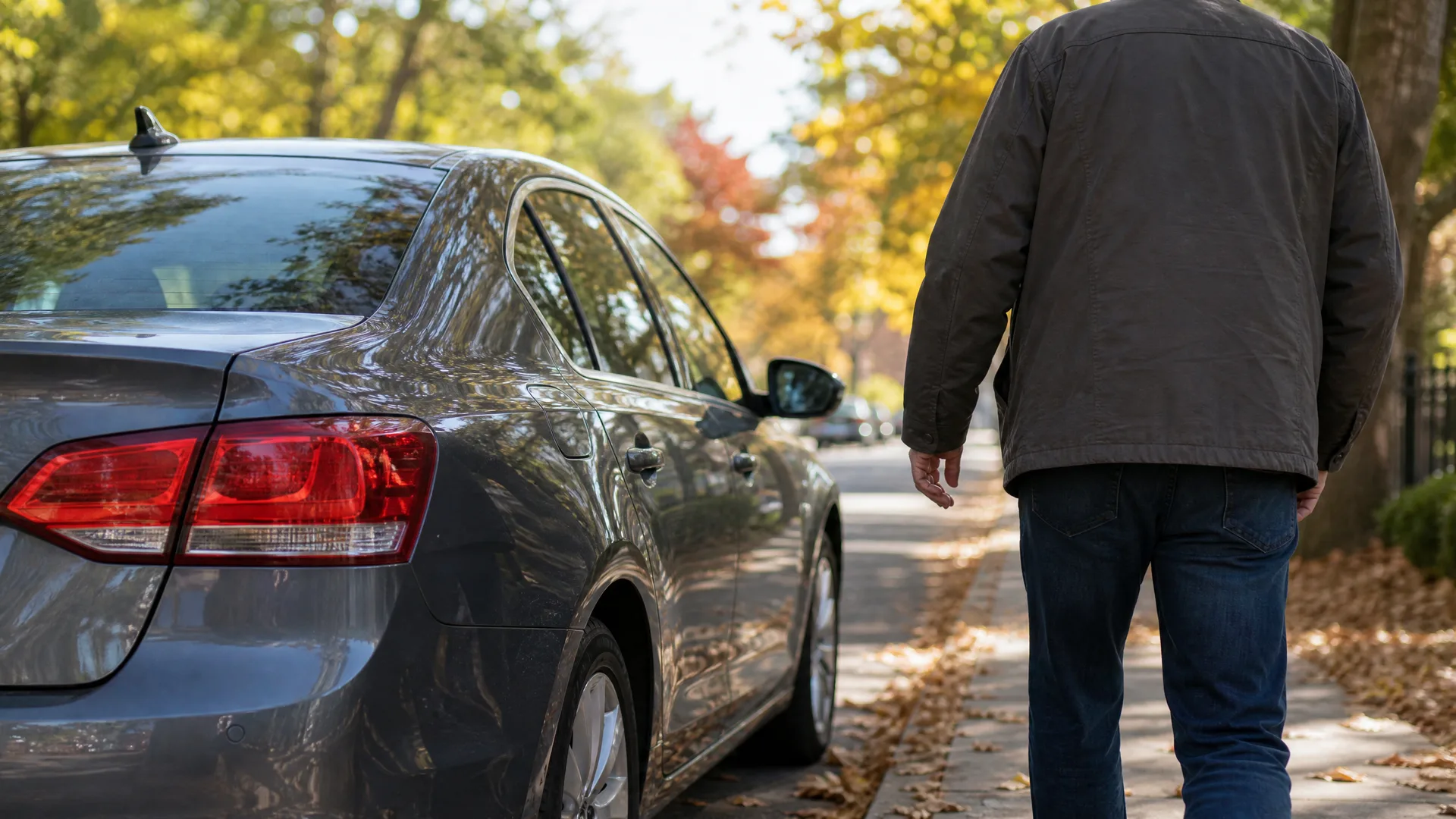
If you're helping a parent think through this, pay attention to what they say about driving, not just whether they've had a ticket. Comments like avoiding left turns or driving less at night are often early signs they're already adjusting for something.
Questions people ask about this
Does taking a defensive driving course help with distraction?
Many courses aimed at older drivers cover exactly this, teaching strategies for managing divided attention rather than just reviewing traffic law. Check whether your state recognizes the course for a premium discount and what paperwork your insurer needs to apply it. The course itself won't lower your rate automatically. You usually have to submit proof.
Should an older driver avoid driving with passengers?
Not necessarily, but it's worth noticing if conversation during a drive makes you miss a turn, a sign, or a changing light. If that happens regularly, it's a sign to ask passengers to hold a conversation until the car is parked rather than giving up driving with others altogether.
How often should an older driver get their eyes checked?
That depends on your state's renewal rules and your doctor's recommendation, since vision changes at different rates for different people. Some states require a vision test at every renewal once a driver reaches a certain age. Check with your state's DMV for its specific schedule.
Can a doctor tell if someone is too distracted to drive safely?
A doctor can assess vision, reflexes, and cognitive processing, all of which factor into how well someone handles distraction behind the wheel. They can't test actual driving, but they can flag concerns worth discussing with a driving rehabilitation specialist or occupational therapist who evaluates road skills directly.
Does car insurance cost more for older drivers because of distraction risk?
Insurers set rates based on their own data about risk by age group, driving record, and other factors, and this varies by company and state. If your premium changed at renewal, ask your insurer directly what drove the change rather than assuming it was age alone.
See how insurers in your area price policies for drivers your age before you decide anything.
Pull your last renewal notice and your driving record for the past few years, and look for patterns rather than single incidents. If you've noticed slower reactions or more near misses, schedule a vision and reflex check with your doctor before your next renewal, not after. Ask your insurer what discounts apply for completed driving courses and what proof they require. If you're helping a parent, bring up specific driving habits you've noticed rather than the topic of giving up driving in general. Keep any course certificates or medical clearances in one place so you can send them when your policy renews.