What Does Comprehensive Only Car Insurance Cover
It covers damage to your car from almost everything except a collision, which is why some drivers choose it and others find it leaves them exposed.
Free to compare
Comprehensive covers non-collision damage, nothing more
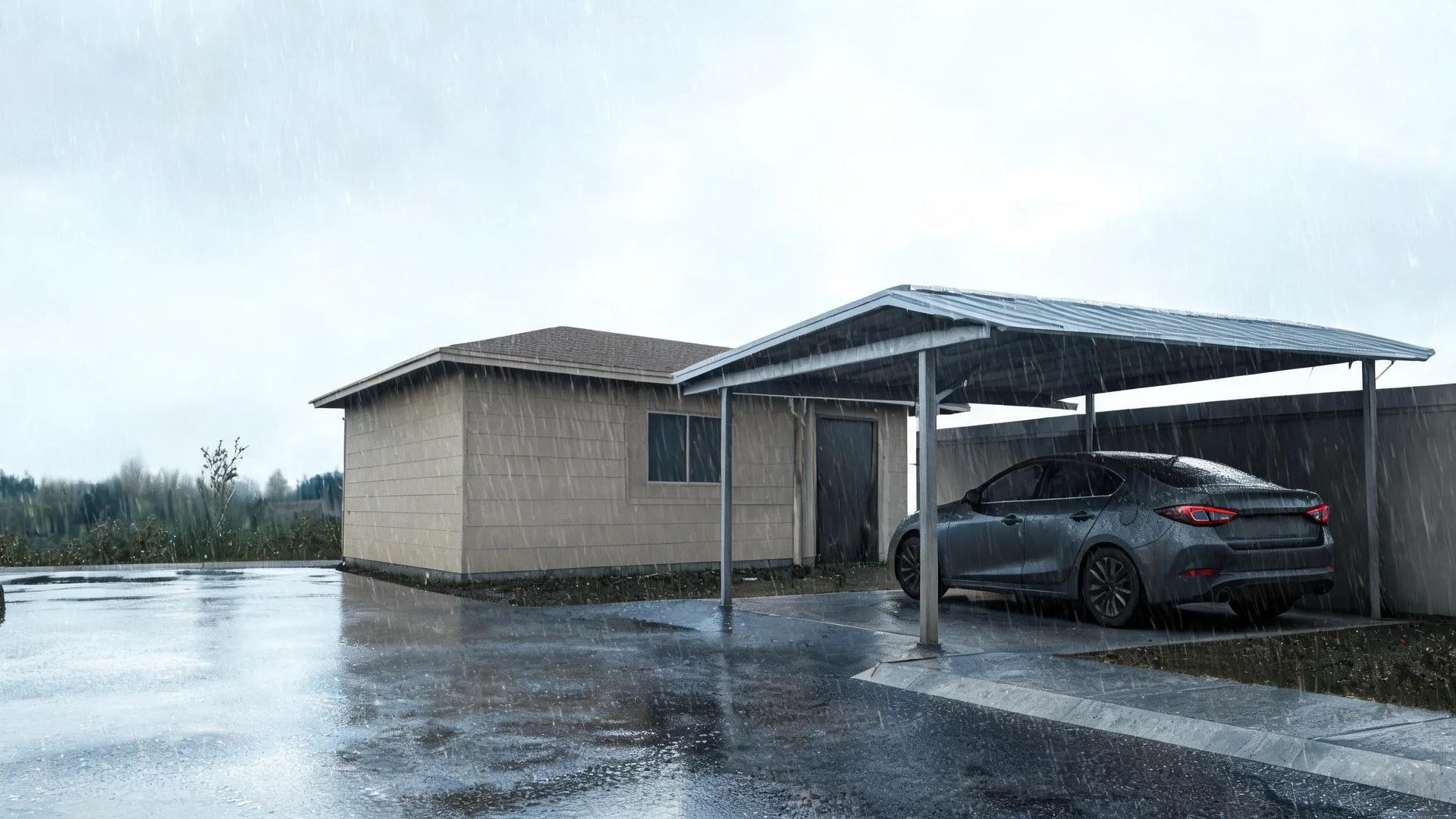
Comprehensive insurance pays for damage to your own car from causes other than a crash. That means theft, vandalism, fire, hail, flooding, a tree branch falling on it, or hitting a deer. It does not pay for damage from a collision with another car or an object, and it does not pay for injuries to you or anyone else.
Some drivers end up with comprehensive-only coverage because they dropped collision coverage on an older car, or because a lender no longer requires full coverage once a loan is paid off. It's not a separate product insurers sell on its own. It's what's left when collision coverage is removed, usually alongside liability coverage that most states require you to carry regardless.
Whether you still owe money on the car
If you're financing or leasing, your lender almost certainly requires both comprehensive and collision coverage, not comprehensive alone. Dropping collision while a loan is active can put you in breach of the loan agreement, so check your loan or lease paperwork before you make any change.
Once the car is paid off, you're free to drop collision and keep comprehensive if you want to. At that point the decision usually comes down to what the car is worth. If it would cost more to fix after a crash than the car is worth, paying for collision coverage may not make sense, but that's a math problem only you can work out using your car's actual value.
Comprehensive tends to cost less than collision, which is part of why people keep it even after dropping collision coverage. It still protects against theft and weather, which can total a car just as easily as a crash.
What people expect it to cover and don't
The biggest misunderstanding is thinking comprehensive-only still pays if you cause an accident. It doesn't. If you hit another car, a guardrail, or a parked vehicle, repairs to your own car come out of your pocket unless you also carry collision coverage.
Comprehensive also doesn't cover another driver's car or their injuries. That's what liability coverage is for, and it's required in nearly every state no matter what you carry on your own vehicle.
A few things do fall under comprehensive that people forget: broken glass, a cracked windshield, damage from a riot or falling object. If you're unsure whether a specific situation would be covered, your insurer can tell you exactly what your policy includes, since the fine print varies some by company.
Questions people ask about this
Can I have comprehensive without liability insurance?
In most states, no, because liability coverage is legally required to drive at all. Comprehensive is additional coverage for your own car, not a substitute for the coverage your state mandates. Check with your state's DMV or your insurer about the minimum coverage required where you live.
Does comprehensive cover a cracked windshield?
Yes, windshield and other glass damage is typically covered under comprehensive since it usually results from a road hazard, weather, or vandalism rather than a collision. Some insurers offer a separate glass deductible or waive the deductible entirely for windshield repairs. Ask your insurer how they handle glass claims specifically.
Is comprehensive insurance worth it on an old car?
It depends on what the car is worth and what you could afford to replace it with out of pocket. If the car's value is low, the payout after a claim may be small once your deductible is subtracted, which is worth weighing against the premium you're paying. Check your car's current value before deciding either way.
Will dropping collision coverage lower my premium a lot?
It will lower your premium somewhat, since you're removing one type of coverage, but how much depends on your car, your driving history, and your insurer. Ask your insurer for a quote with and without collision coverage so you can see the actual difference for your policy.
Does comprehensive cover a rental car after my car is stolen?
Some policies include rental reimbursement as an add-on, but it's not automatically part of comprehensive coverage itself. Check your policy documents or ask your insurer whether rental reimbursement is included or available to add.
See what comprehensive-only coverage would actually cost against keeping full coverage.
Pull out your current policy and your car loan paperwork, if you have one, before you do anything else. Check whether your lender still requires collision coverage, and look up your car's current market value so you know what a payout might actually be worth. Then call your insurer and ask them to quote your policy both ways, with and without collision, so you can compare the real numbers for your car. If you're on the fence, ask them directly what comprehensive would and wouldn't pay for in a situation you're worried about, like hail damage or hitting an animal. That answer, from your own insurer, matters more than any general rule.