What Evidence Helps in a Hit and Run Claim
The more you document at the scene and right after, the stronger your claim will be, whether the other driver is found or not.
Free to compare
What actually helps your claim
The evidence that matters most is anything that shows what happened and ties another vehicle to the damage. Photos of your car, the scene, and any debris left behind. The license plate if you caught any part of it, even a partial. A description of the other vehicle, its color, make, and anything distinctive about it.
Witness names and phone numbers matter as much as what you saw yourself, because an insurer weighs an independent account differently than your own description. A police report ties all of this together and gives your insurer something official to work from, which is why filing one matters even when you think the driver won't be found.
Whether the other driver is identified changes what you need
If you or a witness got a plate number, the police can often trace the owner, and your claim may proceed like any other collision once that happens. Your evidence then supports a claim against that driver's insurer, so the same things apply: photos, witness statements, the report.
If no one is identified, your claim usually runs through your own uninsured motorist coverage, if you carry it. In that case the evidence has to convince your own insurer that a hit and run actually happened and that you didn't cause the damage yourself. This is where detail matters most. Paint transfer, the angle of impact, debris that doesn't match your car.
Check your policy for what uninsured motorist property damage or collision coverage requires after a hit and run. Some insurers want the police report filed within a set window. Ask your agent directly what your policy requires and by when.
What people forget to collect in the moment
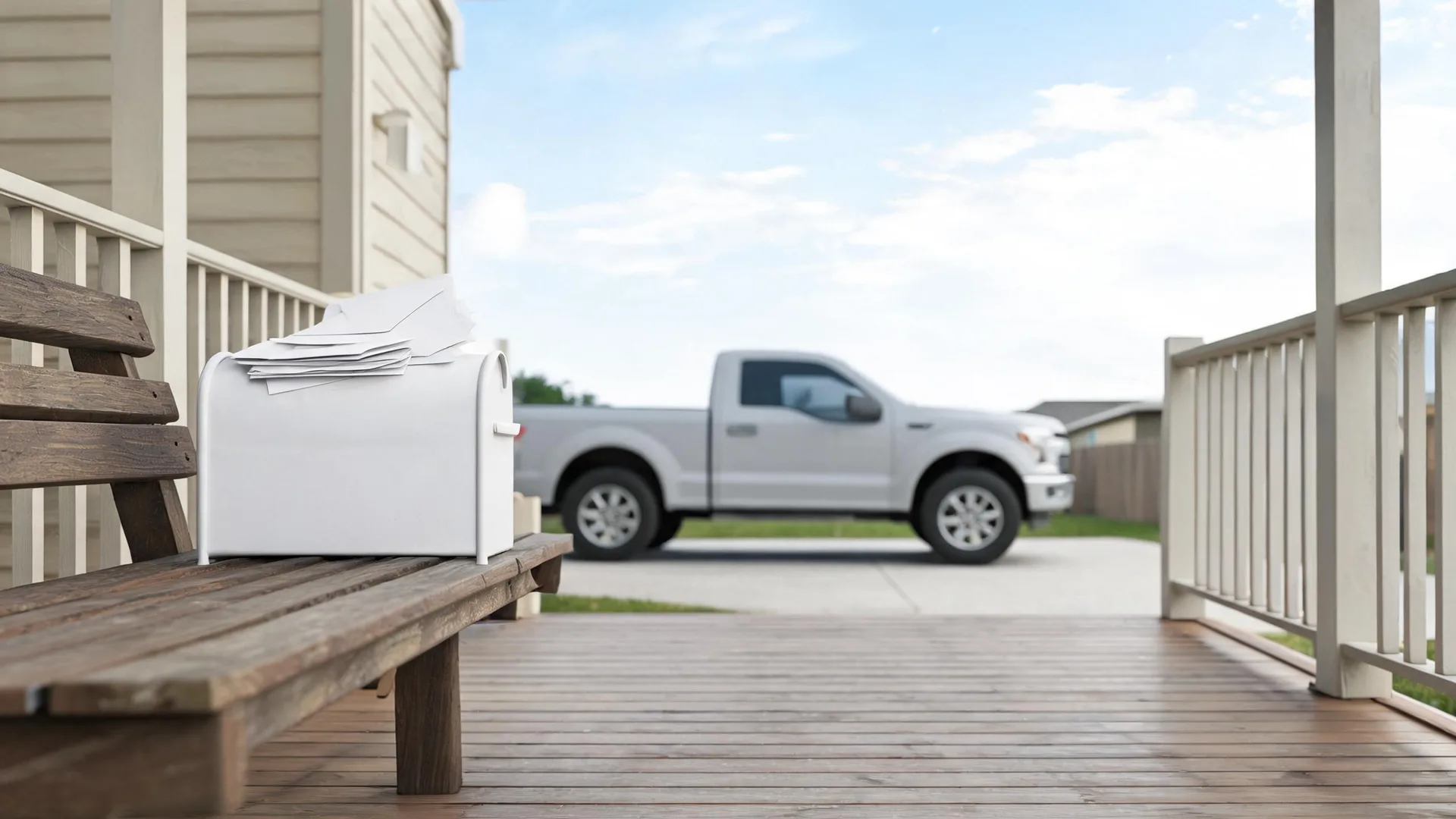
Most drivers photograph their own car but not the scene around it. Skid marks, broken glass, paint chips on the road, the position of other parked cars. All of that can show how the collision happened, not just that it did.
People also forget to get contact information from witnesses before they leave. A phone number written down at the scene is worth far more than a memory of someone who drove off. If anyone nearby has a doorbell camera or a dashcam, ask before they leave too.
Time stamps matter more than people expect. Note when you noticed the damage and when you called the police, because insurers sometimes ask how quickly you reported it. Write down what you remember as soon as you can, even in your phone, before details blur.
Questions people ask about this
Do I need a police report for a hit and run claim?
Most insurers expect one, especially if you're filing under uninsured motorist coverage. The report gives your insurer an official record of the event and the date you reported it, which supports your claim even without a suspect identified. Check your policy or ask your insurer whether a report is required and within what timeframe.
Will my insurance go up after a hit and run that wasn't my fault?
This depends on your insurer and your state, since some treat not-at-fault claims differently than others. Ask your agent directly how a hit and run claim where you weren't at fault is handled on your policy before you decide whether to file.
What if I don't have uninsured motorist coverage?
Without it, you may need to rely on collision coverage if you have it, which usually comes with a deductible. Without either, you may be responsible for your own repair costs unless the other driver is found and has insurance. Ask your agent what coverage you currently carry for this situation.
Can a dashcam help if I didn't see the other car hit me?
Yes, a dashcam can capture footage before and after an impact even if the collision itself happened outside the frame, sometimes showing a fleeing vehicle or a plate. Check your dashcam's footage as soon as possible, since many overwrite older recordings on a loop.
Should I still report minor hit and run damage?
Reporting it creates a record even if the damage seems small, which matters if you later decide to file a claim or if the damage turns out worse than it first appeared. A police report also protects you if questions come up later about when and how the damage occurred.
See how this kind of claim could affect what you pay going forward.
Write down everything you remember while it's fresh, including the time, location, and direction the other vehicle went. Take photos of your car, the scene, and anything left behind before it's cleaned up or moved. Get names and numbers from anyone who saw it happen. File a police report even if you doubt the driver will be found. Then call your agent, tell them what you have, and ask exactly what your policy needs from you next.