What Happens if You Don't Use Insurance Money for Repairs
If you skip the repairs, the money is still yours to keep in most cases, but a lender on the car's title can change that.
Free to compare
In most cases, you can keep the money
If you own your car outright, an insurer generally cannot force you to spend a claim payout on repairs. Once the claim is settled and the check is issued, it's yours. Some people use it for something else entirely, especially if the damage is cosmetic or they've decided to live with it.
What changes this is whether anyone else has a legal interest in the car. If there's a loan or lease on it, the lender is usually named on the check alongside you, and they have their own rules about releasing that money. If you own the car free and clear, that step doesn't apply to you.
Whether you have a loan or lease on the car
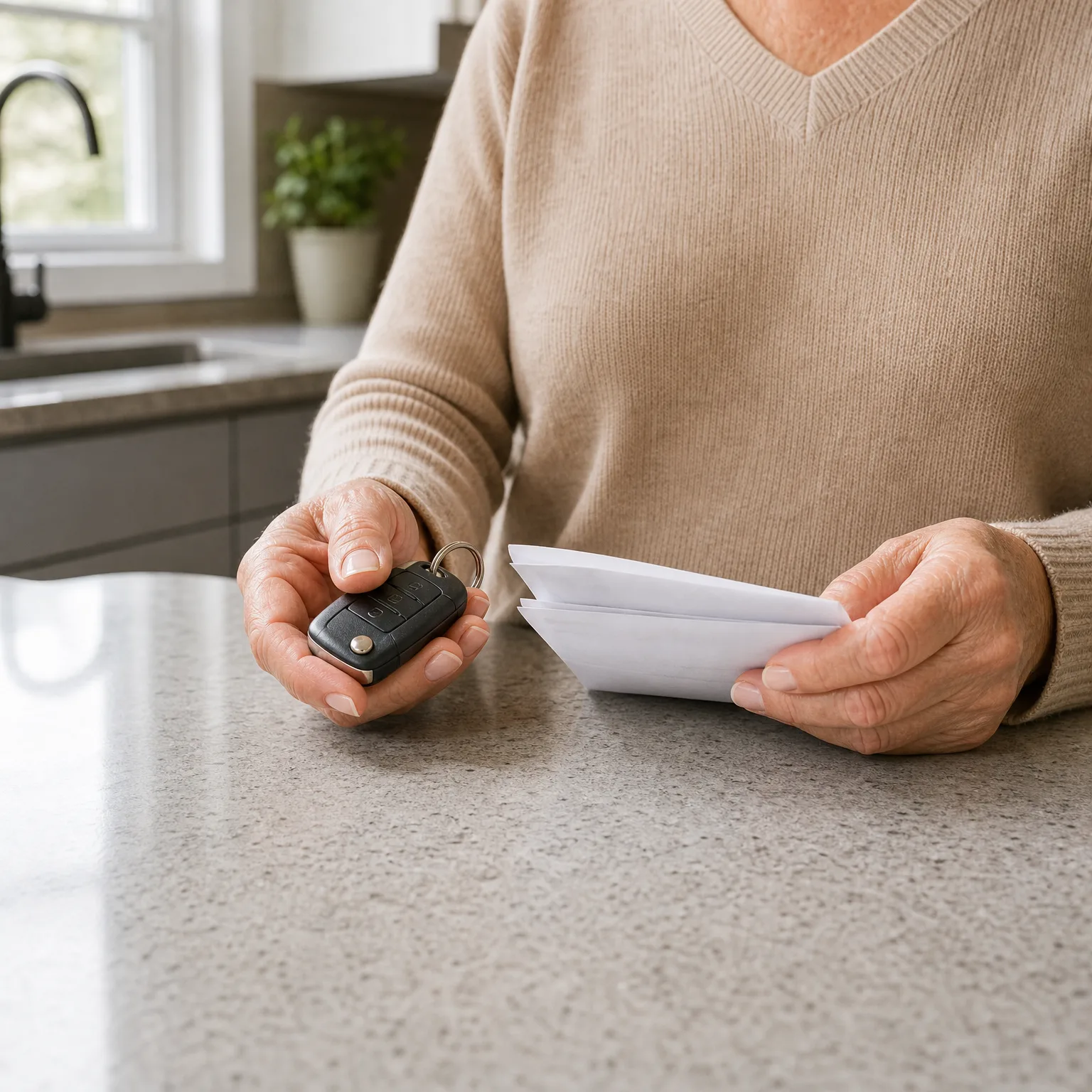
If your car is financed or leased, the insurer typically writes the check to both you and the lender. The lender has a financial stake in the car being repaired, since it's collateral for the loan, so many require you to show proof of repair or submit repair invoices before releasing their portion of the funds.
Some lenders hold the money in an account and pay the repair shop directly as the work is completed. Others will release it to you in stages. This isn't something insurance decides. It's in your loan agreement, so check it or call your lender to ask how they handle claim payouts.
If you own the car outright, none of this applies. The check comes to you alone and there's no third party reviewing how you spend it.
If you're behind on payments or the loan is in trouble, a lender may be stricter about releasing funds than if your account is in good standing. That's worth knowing before you count on having the money free and clear.

What kind of claim it was
A liability claim, where another driver's insurer is paying you for damage they caused, usually comes with fewer strings attached. That insurer's only interest is settling the claim, not what you do afterward.
A claim under your own collision or comprehensive coverage can work differently, particularly if your car is financed. Your insurer may also ask for an inspection or documentation before finalizing a larger payout, and if repairs are never made, it can affect how they value the car if you file another claim on it later.
If the car is later declared a total loss in a future accident, an insurer may ask about prior unrepaired damage, since it affects the car's value. Keeping records of what you were paid and why is worth doing even if you don't fix anything right away.
None of this means the money has to be returned. It means the history of the car and the claim can come up again later, so it helps to know what was paid for and why.
Questions people ask about this
Can my insurance company make me pay the money back?
No, not simply because you didn't make the repairs. Once a claim is paid out to you and there's no lender involved, that money is yours. The exception would be if the claim itself was later found to involve fraud or a mistake in the payout amount, which is a different situation entirely.
Does unrepaired damage affect my car's resale value?
Yes, it can, since a buyer or appraiser may notice the damage and factor it into what they're willing to pay. Keeping the claim paperwork can help you explain what happened if a future buyer asks.
What happens if I total the car later without fixing the earlier damage?
Your insurer will likely ask about it, since prior damage affects what the car was worth before the new accident. This is one of the main reasons to keep records of any claim payout and what it covered, even if you decide not to use it for repairs right away.
Will my premium go up if I don't repair the car?
Not because you didn't repair it. Premium changes after a claim are usually based on who was at fault and the size of the claim, not on what you did with the payout afterward.
Can I use the insurance money for something other than repairs?
If you own the car outright, generally yes, since the insurer has no say in how you spend a payout made directly to you. If there's a lender involved, check your loan agreement, since many lenders require proof of repair before releasing their share of the funds.
If you're weighing your options after a claim, it helps to know what your current policy actually requires.
Start by checking whether your car has a loan or lease on it, since that determines whether a lender has any say in the payout. If it does, call the lender directly and ask how they handle claim funds, whether they require repair invoices, and how long you have to use the money. If you own the car outright, keep a copy of the claim settlement and any damage estimate in case the condition of the car comes up later, whether you're selling it or filing another claim. If you're unsure how a future claim might be affected by skipping repairs now, ask your insurer directly how they'd handle it.